What Happens After Losing SNAP Benefits? 5 Million Fewer Americans Get Food Aid
Millions of Americans have lost food aid in just one year. New federal data show SNAP enrollment fell by about 13% after major rule changes took effect. So what happens to a household after losing SNAP benefits, and what does it mean for food banks, schools, and states? Here is a clear look at the numbers, the new rules, and the open questions.
This story is still developing. Experts disagree on why people left the program, and the full effects will take time to measure.
How Big Is the Drop?
The Supplemental Nutrition Assistance Program (SNAP), often called food stamps, helps low-income people buy groceries. According to the US Department of Agriculture, about 41.6 million people received SNAP in July 2025. By June 2026, that number was about 36.5 million.
That is roughly 5 million fewer people, a decline of about 13%. Moreover, USDA’s latest report shows enrollment slipped again in July 2026, to about 36.1 million.
The average benefit, meanwhile, stayed close to $188 per person per month. In other words, fewer people are getting help, but each person gets about the same amount.
Joseph Llobrera of the Center on Budget and Policy Priorities told CSPI that the country has not seen a decline this large in about three decades.
What Changed in the Rules?
The drop followed the One Big Beautiful Bill Act, which President Trump signed in July 2025. As The Guardian reports, the law widened work requirements.
Before, the rule mainly covered able-bodied adults aged 18 to 54 without dependents under 18. Now, it covers people aged 18 to 64 who do not have a dependent under 14. They must work or volunteer at least 20 hours a week. Otherwise, benefits are limited to three months over three years.
In addition, the law shifted costs to states. Starting this October, states must cover 75% of SNAP’s administrative costs, up from 50%. The Congressional Budget Office projected the changes would cut spending by about $187 billion over 10 years, The Guardian notes.
What Happens After Losing SNAP Benefits?
For a family, the first effect is simple: less money for food. A household must cover that gap from wages, savings, or charity. For people on tight budgets, that can mean skipping meals or buying cheaper, less healthy food.
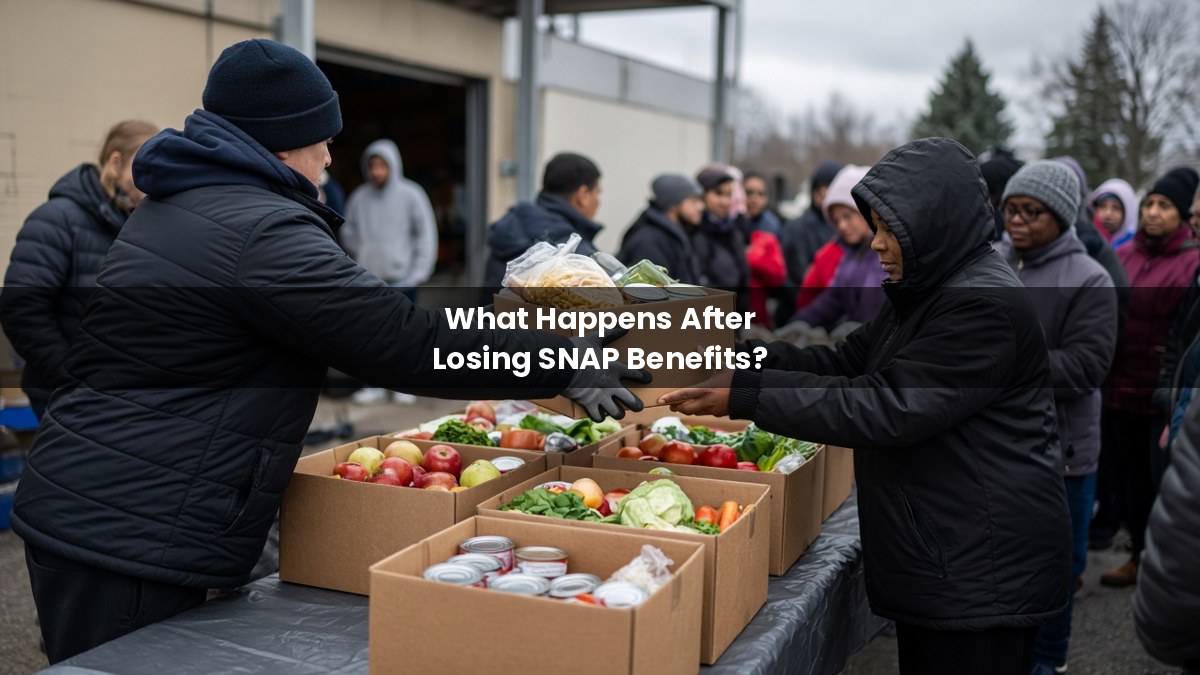
Next, pressure moves to food banks. The Food Bank Council of Michigan told The Guardian its helpline started getting more than three times as many calls daily after the changes. It even had to pause the helpline this week because of call volume.
Likewise, Feed Louisville in Kentucky said its shelves are now empty at the end of every day. Everything that comes in goes straight back out.
Not everyone who leaves SNAP is ineligible, though. Advocates told AP News that some people who still qualify are rejected because they miss deadlines or lack paperwork. However, AP says it is too early to know how many fall into that group.
The Hidden Effect on School Meals
SNAP also unlocks other help. Under the Community Eligibility Provision, a school can serve free breakfast and lunch to every student if at least 25% of students receive SNAP or similar benefits.
So when SNAP rolls shrink, some schools fall below that line. The Guardian, citing The Washington Post, reports that 26 schools in the Houston Independent School District that used to offer free meals to all students are no longer eligible.
As a result, children may lose free meals even if their own family’s situation has not changed.
Why Some States Are Hit Harder
The impact varies widely. According to The Guardian, SNAP enrollment in Arizona fell by 50% between July 2025 and June 2026. By contrast, Kentucky saw a 6% decrease.
Louisiana is another hard-hit state. CSPI reports it lost about 170,000 enrollees, or 21% of its caseload.
More pressure is coming. Starting in October 2027, some states may have to pay part of the benefit costs if their payment error rate is above 6%. That error rate measures overpayments and underpayments, and USDA says it is not a measure of fraud. Llobrera told The Guardian that states have been “set up to fail.”
The Two Sides of the Debate
Supporters say the rules push people toward work. Agriculture Secretary Brooke Rollins called moving 5 million people off food stamps “a pretty big win,” according to The Guardian.
Critics, however, say the data do not show a jobs boom. Food Bank Council of Michigan’s Sheril Kirshenbaum said: “We just know fewer people are getting benefits.” Meanwhile, a USDA spokesperson said enrollment numbers are “constantly changing” and do not reflect any one policy.
Both claims can be tested over time. Researchers will look at job data, food bank demand, and health outcomes in the months ahead.
What to Do If You Lose SNAP
If your benefits stop, act quickly. First, read your notice carefully. It should say why your case closed and how to appeal.
Next, check whether you qualify for an exemption. Then, ask your state SNAP office whether volunteer hours or job training count toward the work rule.
Finally, look for local help. Food banks, school meal programs, and WIC (for pregnant women and young children) may fill some of the gap. Dialing 211 in most of the US can connect you with nearby services.
The Bigger Picture
Food aid does not exist in a vacuum. Higher grocery and fuel prices make every dollar count. For more on what drives those prices, read our explainer on what happens if the Strait of Hormuz closes. And for a look at how the body copes when it runs short on what it needs, see what happens when the brain runs out of oxygen.
Bottom Line
Losing SNAP benefits affects far more than one grocery bill. It shifts pressure to food banks, schools, and state budgets. About 5 million fewer Americans now get help, and the debate over why is far from settled. The next year of data will show whether more people found work, or simply went without.