What Happened When the Brain Ran Out of Oxygen? A Shocking Look Inside the Human Mind
The Silent Threat You Never Feel Coming

Oxygen is life. Every breath you take fuels your brain, keeping your thoughts, memories, and movements alive. But what if that oxygen suddenly stopped?
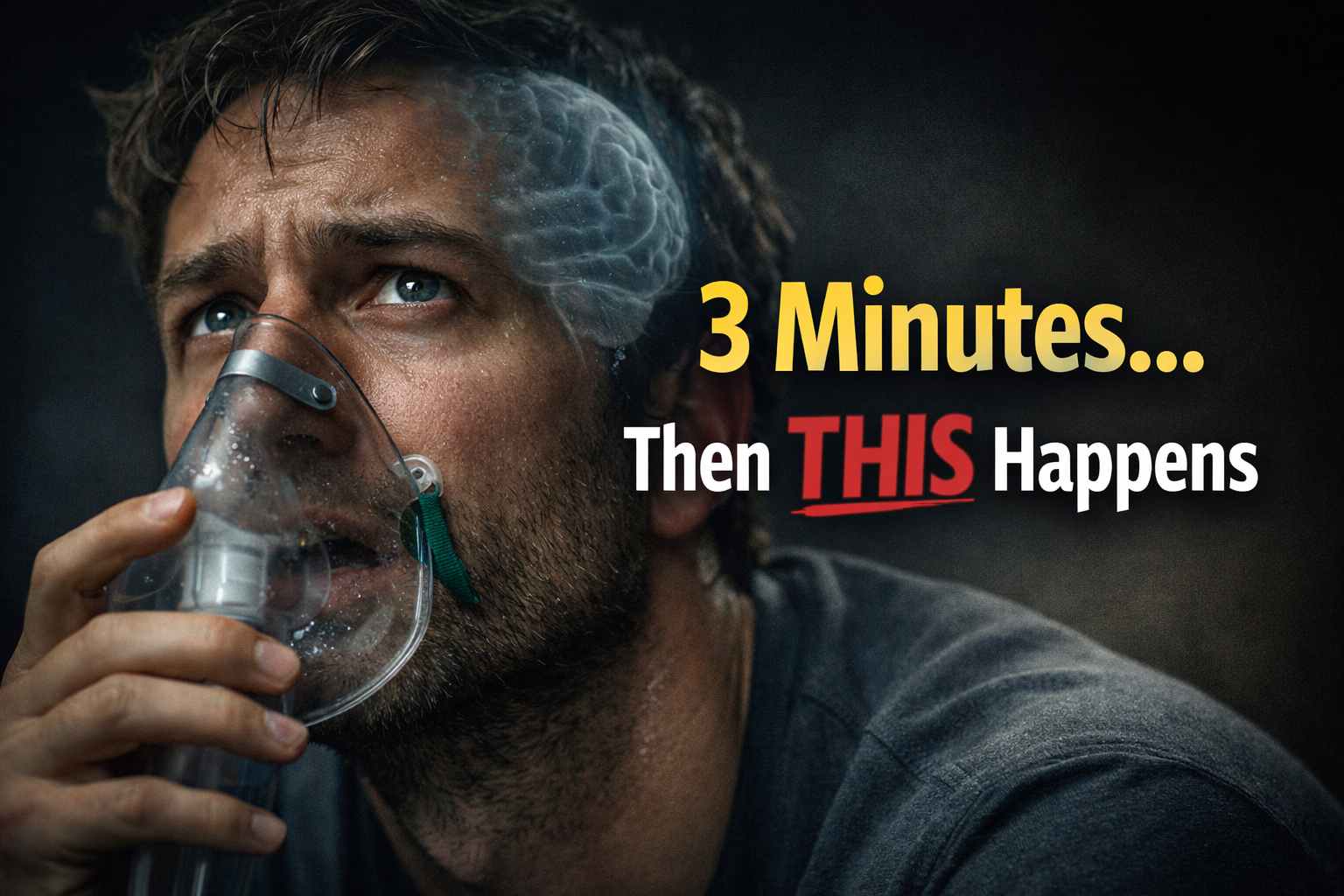
What happens when the brain runs out of oxygen is not just a medical question—it’s a terrifying reality that unfolds in seconds. The brain is one of the most oxygen-dependent organs in the human body, and even a brief interruption can trigger a cascade of irreversible damage.
This condition is known as cerebral hypoxia, and it can happen due to drowning, choking, cardiac arrest, or even high-altitude exposure.
Let’s break down exactly what happens—second by second.
Why the Brain Needs Oxygen to Survive
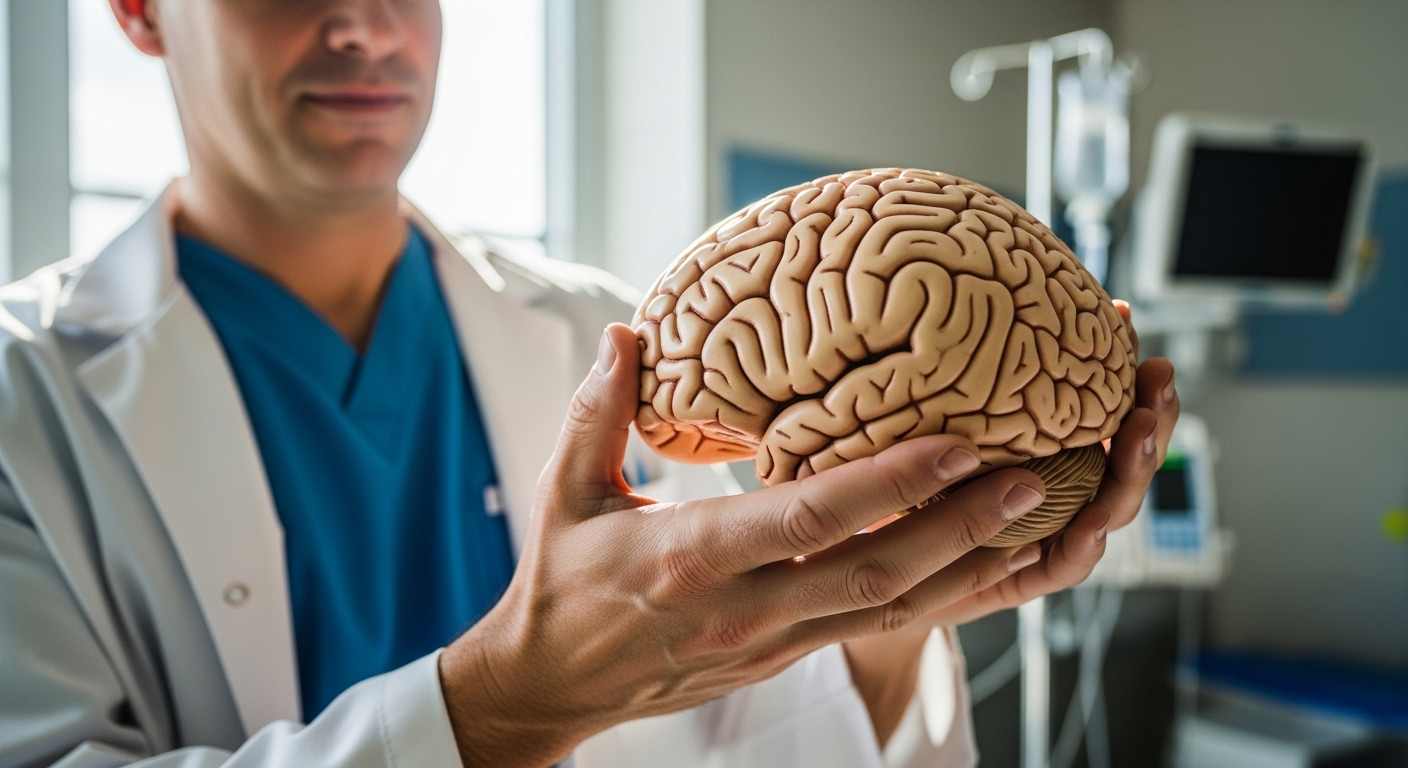
Your brain uses about 20% of your body’s total oxygen supply, despite making up only about 2% of your body weight.
Oxygen is essential for:
- Producing energy (ATP)
- Maintaining neuron function
- Supporting memory and consciousness
- Regulating body systems
Without oxygen, brain cells begin to fail almost immediately.
What Happens When the Brain Runs Out of Oxygen: Timeline

0–10 Seconds: Confusion Begins
Within just a few seconds of oxygen deprivation:
- You may feel dizzy
- Vision becomes blurred
- Concentration drops
- A sense of panic may start
The brain is already struggling to maintain normal function.
10–30 Seconds: Loss of Awareness
As oxygen levels continue to drop:
- Consciousness begins to fade
- You may collapse or black out
- Muscle control weakens
At this point, the brain is entering a critical state.
30 Seconds–2 Minutes: Neurons Under Attack
This is where serious damage begins:
- Brain cells (neurons) start dying
- Electrical activity becomes abnormal
- Memory formation stops
Even if oxygen returns, some damage may already be permanent.
2–5 Minutes: Severe Brain Damage Risk
This is the most dangerous window:
- Permanent brain injury becomes highly likely
- Speech, movement, and thinking abilities may be affected
- Survival chances decrease significantly
Most medical professionals consider this the critical survival threshold.
5–10 Minutes: Irreversible Damage
At this stage:
- Large portions of the brain may die
- Coma is likely
- Recovery becomes extremely rare
Even if a person survives, they may suffer from severe disabilities.
Beyond 10 Minutes: Brain Death
Without oxygen for more than 10 minutes:
- Brain activity may completely stop
- Brain death can occur
- Life support may be required
This is often considered the point of no return.
What Does It Feel Like? (Real Experiences)

People who have experienced oxygen deprivation (like near-drowning or fainting) often describe:
- A sudden heaviness in the body
- Tunnel vision or darkness closing in
- Ringing in the ears
- A strange sense of calm or detachment
Interestingly, the brain sometimes releases chemicals that create a dream-like or peaceful sensation, even during a life-threatening event.
Causes of Oxygen Deprivation in the Brain

There are several ways the brain can lose oxygen:
1. Cardiac Arrest

When the heart stops pumping, oxygen-rich blood stops reaching the brain.
2. Drowning or Suffocation

Air supply is blocked, leading to rapid oxygen depletion.
3. Choking

An airway obstruction prevents oxygen intake.
4. Stroke

Blood flow to parts of the brain is interrupted.
5. High Altitude
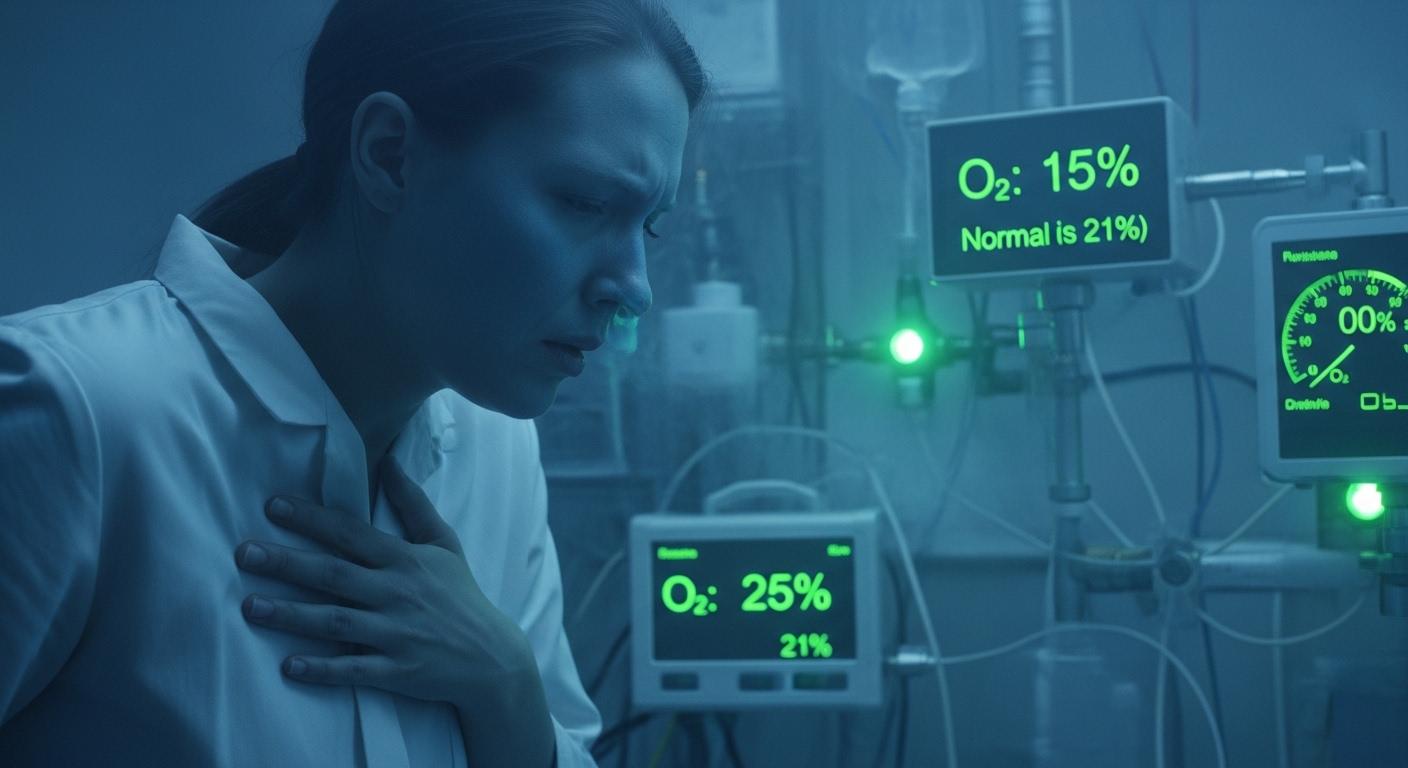
Low oxygen levels in the environment reduce oxygen delivery.
6. Carbon Monoxide Poisoning
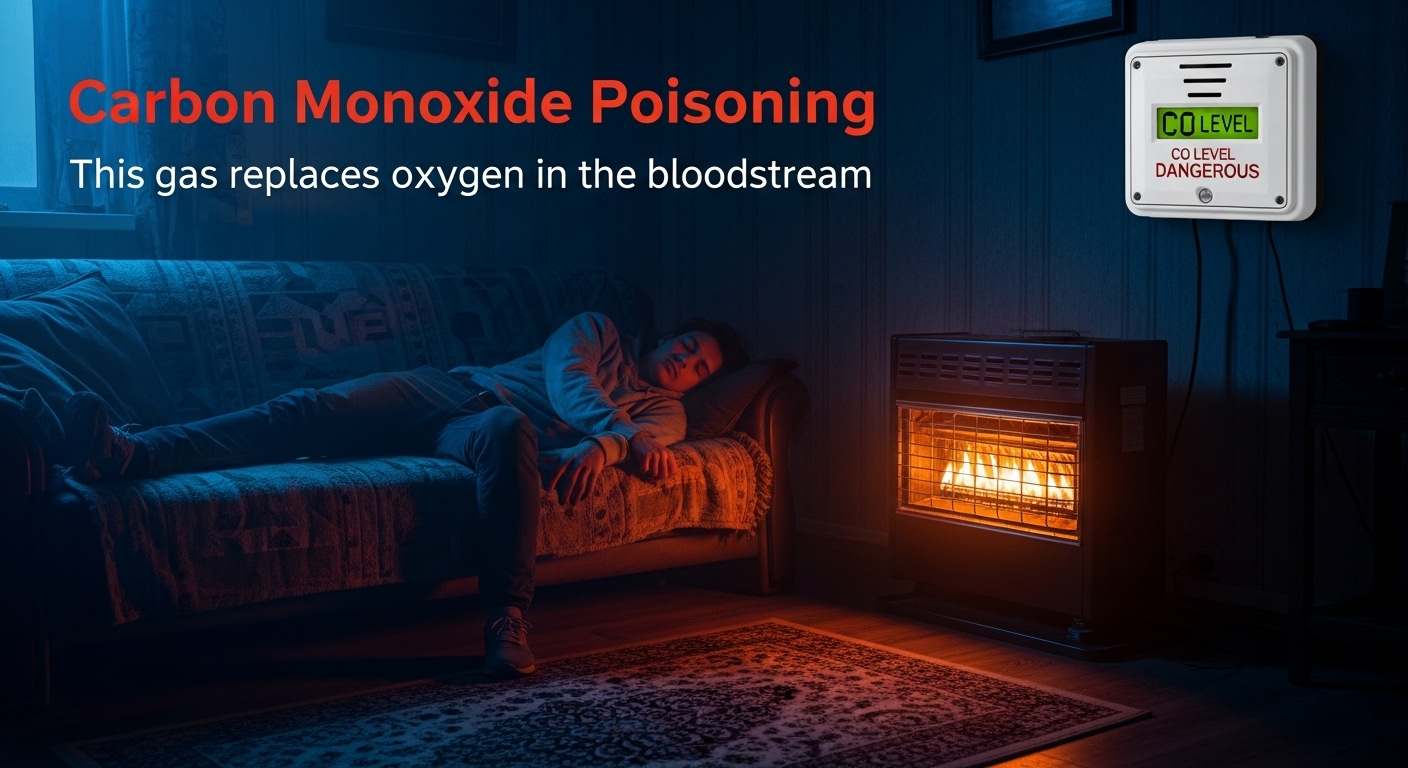
This gas replaces oxygen in the bloodstream.
Types of Brain Hypoxia

Understanding the types helps explain how damage occurs:
- Hypoxic Hypoxia: Low oxygen in blood (high altitude)
- Anemic Hypoxia: Blood cannot carry enough oxygen
- Ischemic Hypoxia: Blood flow is blocked (stroke)
- Histotoxic Hypoxia: Cells cannot use oxygen properly
Each type affects the brain differently but leads to the same dangerous outcome.
Can the Brain Recover After Oxygen Loss?

Recovery depends on:
- Duration of oxygen deprivation
- Speed of medical response
- Overall health of the person
Possible Outcomes:
- Full recovery: If oxygen is restored quickly
- Partial damage: Memory loss, speech issues
- Severe disability: Paralysis, cognitive decline
- Death: In prolonged cases
The brain has limited ability to repair itself, making early intervention critical.
Warning Signs of Brain Oxygen Deprivation

Recognizing early symptoms can save lives:
- Sudden confusion
- Shortness of breath
- Rapid heart rate
- Loss of coordination
- Bluish lips or skin (cyanosis)
If you notice these signs, immediate medical help is essential.
How Doctors Treat Oxygen Deprivation

Treatment focuses on restoring oxygen quickly:
- CPR (Cardiopulmonary Resuscitation)
- Oxygen therapy
- Mechanical ventilation
- Medications to support brain function
- Cooling therapy (to reduce brain damage)
Every second counts. Fast treatment can mean the difference between life and death.
How to Prevent Brain Oxygen Loss

Prevention is always better than treatment:
- Learn CPR
- Avoid risky water activities without safety
- Install carbon monoxide detectors
- Treat heart and lung conditions early
- Be cautious at high altitudes
Simple precautions can save lives.
The Science Behind Brain Cell Death

When oxygen is absent:
- Cells switch to anaerobic metabolism
- Toxic byproducts build up
- Cells swell and burst
- Neurotransmitters become unbalanced
This process is called ischemic cascade, and it leads to widespread brain damage.
Why Even Seconds Matter
Unlike other organs, the brain cannot store oxygen.
That means:
- Damage starts almost instantly
- There is no “grace period”
- Every second without oxygen increases risk
This is why emergency response is so critical.
Strong End: A Reality You Can’t Ignore

The brain is powerful—but also fragile.
What happens when the brain runs out of oxygen is a rapid, silent crisis that can change a life forever in just a few minutes.
It doesn’t give warnings. It doesn’t wait.
From confusion to unconsciousness… from damage to death—the timeline is brutally short.
Understanding this isn’t just knowledge—it’s awareness that can save lives.
Because in a situation like this, seconds are everything.
Frequently Asked Questions-FAQs
1. How long can the brain survive without oxygen?
The brain can survive about 3–5 minutes without oxygen before serious damage begins.
2. Can brain damage from lack of oxygen be reversed?
It depends on the duration. Mild cases may recover, but severe damage is often permanent.
3. What is the first sign of oxygen deprivation?
Confusion, dizziness, and blurred vision are usually the earliest signs.
4. Is dying from lack of oxygen painful?
Some people report panic initially, followed by a calm or dream-like state before losing consciousness.