
What Happens If the Strait of Hormuz Closes? Oil Prices, Shipping and the Global Economy Explained
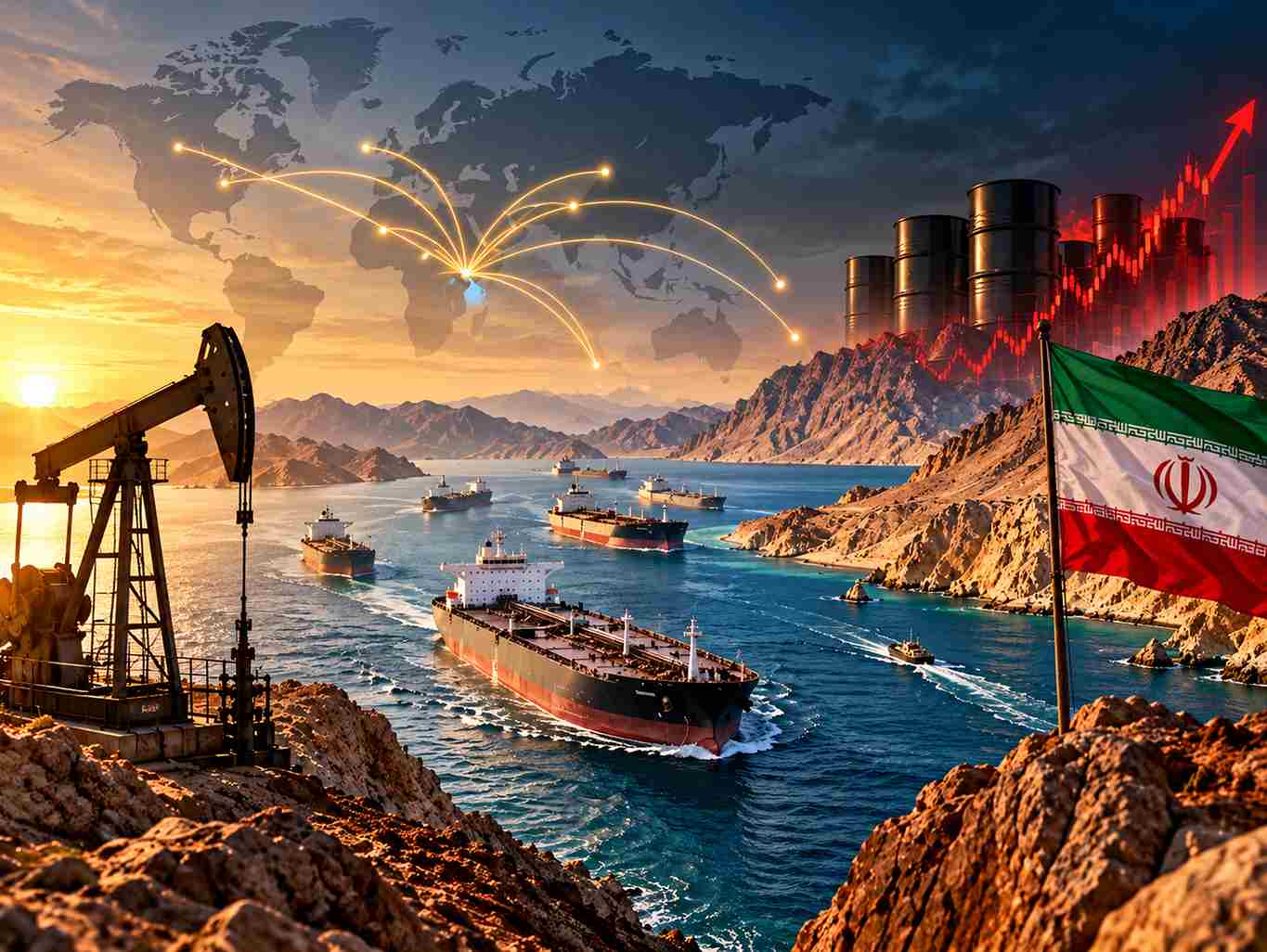
What happens if the Strait of Hormuz closes? This question moved from theory to headline news in late October 2026. In one night, Iran said seven tankers caught fire or suffered damage. Oil prices then jumped to a five-month high. So what would a real shutdown mean for gas prices, shipping and the global economy? Here is a clear, sourced explainer.
What is happening in the Strait of Hormuz right now
On October 22, 2026, Iran’s Revolutionary Guard Corps (IRGC) navy said it had struck four ships in the northern Gulf. It accused them of “illegal” ship-to-ship oil transfers. In addition, Tehran said three more vessels hit naval mines west of the strait, according to the Associated Press.
Meanwhile, Yemen’s Houthis stepped up attacks on Saudi Arabia, including a strike on an airport in Dammam. As a result, the US ordered non-emergency staff and their families to leave Saudi Arabia.
Markets reacted fast. Brent crude rose about 4% to close at $113.17 a barrel, its highest close since May 4, CNBC reported. US benchmark WTI settled at $99.47. CNBC also cited a New York Times report on US and Israeli plans. Those plans cover possible new strikes on Iran after the November 3 midterms.
This comes on top of the war that the US and Israel launched against Iran in late February 2026. Still, the Strait of Hormuz is not closed. Ships are moving. However, the risk of a wider shutdown is now the main force behind rising prices.
Why the Strait of Hormuz matters so much
The Strait of Hormuz links the Persian Gulf to the Gulf of Oman and the Arabian Sea. For Kuwait, Iraq, Qatar and Bahrain, it is the only sea route out. It also carries most exports from Iran, Saudi Arabia and the UAE.
- Oil: About 20 million barrels of oil a day moved through the strait in 2024. That equals roughly 20% of world oil use, says the US Energy Information Administration (EIA).
- Sea trade: That flow is around a quarter of all oil shipped by sea. Also, about 80% of it heads to Asia, says the International Energy Agency (IEA).
- Gas: About one-fifth of global liquefied natural gas (LNG) trade, mostly from Qatar, also used the strait in 2024, the EIA estimates.
There are few ways around it. The IEA estimates that normal pipeline routes can carry only 3.5 to 5.5 million barrels a day around the strait. Since the crisis began, Saudi Aramco has worked to move more oil around the Strait of Hormuz. For example, it said its East-West pipeline now carries 7 million barrels a day, up from 2 million, CBS News reported. Even so, that is far below normal traffic. Also, Qatar’s LNG has no pipeline bypass at all.
What happens if the Strait of Hormuz closes?
A full, long closure has never happened in modern times. So any forecast is a scenario, not a certainty. Still, the basic chain of events is well understood.
1. Prices jump before barrels disappear
Oil trades on expectations. Even a threat raises the “risk premium.” That is why Brent has climbed while ships still move. If tankers stopped for good, the lost supply would be far larger than spare output elsewhere. Prices could then rise sharply. How high depends on how long the shutdown lasts, and nobody can predict that with confidence.
2. Shipping and insurance costs soar
Mines and missiles in the Strait of Hormuz scare shipowners and insurers. Consequently, war-risk premiums rise and freight rates climb. Some owners simply refuse to enter the Gulf. Buyers then pay those extra costs, even in countries that buy little Gulf oil.
3. Gas markets tighten
Because Qatar’s LNG has no bypass, a long closure would squeeze global gas supply. Asian and European buyers would then compete for cargoes from the US, Australia and other suppliers. In turn, that would push up gas and power prices.
What a Strait of Hormuz shutdown means for consumers
Oil is a global market. Therefore, a shock in the Gulf shows up in prices everywhere. In fact, the effects are already visible.
Gas and diesel prices
In the US, gasoline prices have risen about 45% since late February, and diesel about 70%, NBC News reported. Drivers in the UK, Europe, Canada and Australia face the same crude prices. However, taxes, exchange rates and local refining change the size of the rise at the pump. A full closure of the Strait of Hormuz would almost certainly push pump prices higher still.
Inflation and the cost of living
Fuel costs flow into almost everything, from flights to deliveries and heating. For instance, US consumer prices rose 3.7% in the year to September. According to NBC News, the Bureau of Labor Statistics said gasoline drove over half of that month’s rise. Moreover, Moody’s Analytics chief economist Mark Zandi estimates the war has cost the average American household about $2,000, CNN reported. Because diesel powers trucks, farms and ships, a longer disruption could also lift food prices.
Interest rates
Central banks usually look past a one-off jump in energy prices. But traders now expect oil to stay high into 2027, and much of the stock buffer is gone, Axios reports. If inflation sticks, the Federal Reserve and the Bank of England may find it harder to cut rates. In that case, mortgages and loans would stay expensive for longer.
Shipping and supply chains
So far, Gulf exporters have kept oil moving partly through costly workarounds. For example, tankers transfer cargo from ship to ship outside the strait, Axios notes. Yet these methods have limits on volume. Above all, shipowners and insurers need to feel safe again before traffic returns to normal.
Europe and Asia
Asian buyers such as China, India, Japan and South Korea face the biggest direct risk. After all, most Hormuz oil heads their way. Europe buys less Gulf oil directly. Even so, it would feel the hit through higher diesel and jet fuel prices and a tighter gas market.
How likely is a full closure?
This is the biggest unknown. A complete, lasting shutdown of the Strait of Hormuz would also hurt Iran, which ships its own oil through the same waters. It would also likely draw a strong naval response. The IEA judges lasting disruptions unlikely. Nevertheless, it warns that even a short one would hit oil markets hard. For now, the more realistic risk is what we already see. Attacks, mines and threats keep prices volatile without fully stopping traffic.
Curious how a major conflict could unfold? Read our explainer on what happens if World War 3 starts.
What to watch next
- Whether attacks on tankers continue or ease in the coming days.
- Israel’s election on October 27 and the US midterms on November 3.
- Gas and diesel prices, plus the next US and UK inflation figures.
- Any change in flows through Saudi and UAE bypass pipelines.
The bottom line
If the Strait of Hormuz closed for a long time, the world would lose about a fifth of its oil and LNG flows. Few routes could replace it. As a result, prices would rise sharply. Consumers in the US, UK, Canada, Australia and Asia would all feel it. They would see it at the pump, in energy bills and in wider inflation. For now, the strait remains open but dangerous. This is a developing story, and we will update this article as reliable new information emerges.
Sources: Associated Press, CNBC, CBS News, NBC News, CNN, Axios, US Energy Information Administration, International Energy Agency. Figures as reported on October 22–23, 2026.