What Happens If You Take Aspirin Every Day? New Guidance Explained
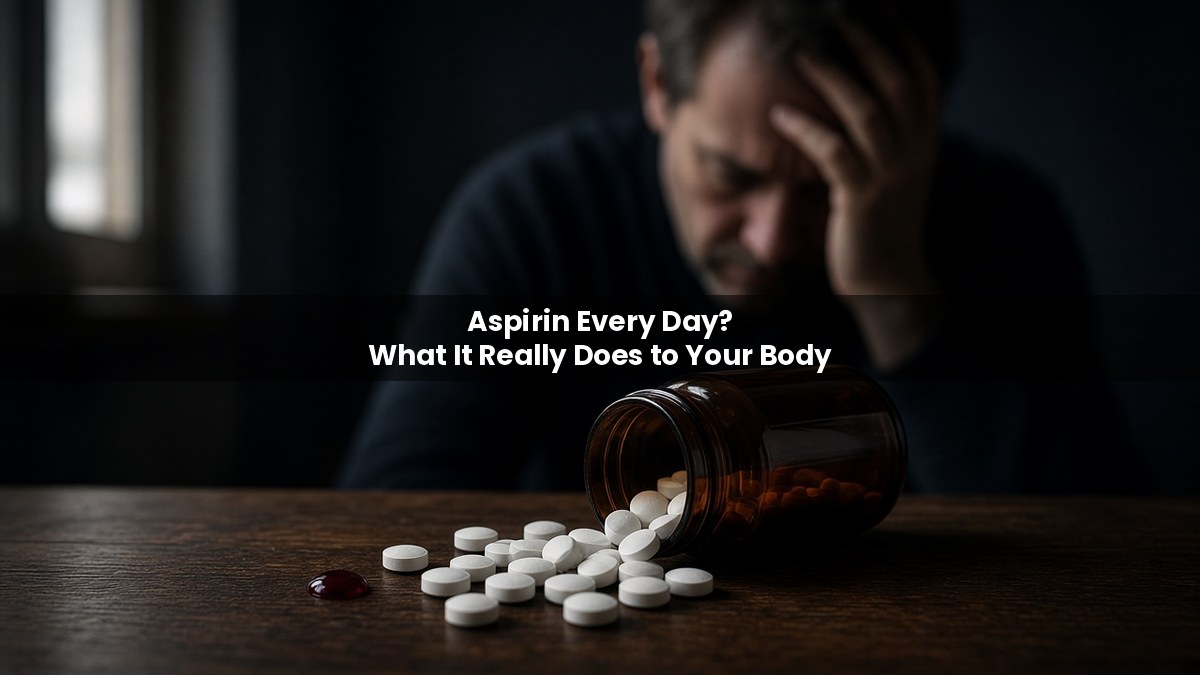
For decades, a tiny pill was sold as a simple shield for your heart. Millions of people still swallow a “baby aspirin” every morning without a second thought. But what happens if you take aspirin every day when you have never had a heart attack or stroke? The answer has changed a lot, and a fresh wave of studies this October has put the question back in the headlines.
Here is what the latest research and official guidance actually say, who may benefit, who could be harmed, and what to ask your doctor.
Important: this article is general information, not medical advice. If a doctor prescribed aspirin for you, do not stop taking it without speaking to them first.
Why Daily Aspirin Is Back in the News
Several new studies landed within days of each other in late October 2026. Together, they reinforce one message: aspirin is a real medicine with real trade-offs.
- Kidney disease trial. The ATTACK trial followed 4,633 adults with chronic kidney disease and no prior heart disease. According to HCPLive’s report from ASN Kidney Week 2026, there were 56 major cardiovascular events with 75 mg aspirin versus 76 without it. However, that difference was not statistically significant, and major bleeding was more common in the aspirin group.
- Dementia and genes. A Monash University analysis of the ASPREE trial, covered by ScienceDaily, linked aspirin to a 70% lower relative risk of dementia in people with a specific genetic profile. Yet major bleeding in that same group was 4.4% with aspirin versus 2.1% with placebo. The researchers said people should not start aspirin to prevent dementia based on this study.
- Cancer recurrence. A phase 3 trial in The Lancet Gastroenterology & Hepatology found daily aspirin did not delay recurrence after treatment for colorectal cancer that had spread to the liver. As GI & Hepatology News reported, serious adverse events were 8% with aspirin versus 2% with placebo.
In other words, the hype about aspirin as a cheap “wonder drug” keeps meeting the same hard limit: bleeding.
What Happens in Your Body When You Take Aspirin Every Day
To understand the risks, it helps to know how the pill works.
It makes your platelets less sticky
Platelets are tiny blood cells that clump together to form clots. Aspirin blocks an enzyme they need to do this. As a result, your blood is less likely to form the kind of clot that blocks an artery and causes a heart attack or stroke.
That effect lasts for the life of each platelet, which is roughly a week to ten days. So even a small daily dose has a steady, whole-body effect.
It also makes bleeding easier
Unfortunately, the same effect works everywhere. Because your blood clots less readily, small injuries bleed longer. More importantly, aspirin also irritates the lining of the stomach. Therefore, the most common serious problem is bleeding in the stomach or gut, and, less often, bleeding in the brain.
The NHS guide to low-dose aspirin lists indigestion and bleeding more easily as common side effects. It also warns that you should get urgent help if you vomit blood or pass black, tarry poo.
What the Official Guidelines Say Now
For people who already have heart disease, the advice is fairly settled. For everyone else, it has shifted sharply over the last decade.
If you have already had a heart attack or stroke
This is called secondary prevention. Here, low-dose aspirin is still a standard treatment for many patients, because the benefit of preventing another event usually outweighs the bleeding risk. If this is you, keep following your care team’s plan. UCHealth cardiologists stress that the newer advice does not tell these patients to stop.
If you have never had heart disease (US guidance)
This is primary prevention, and it is where the big change happened. The US Preventive Services Task Force (USPSTF) says:
- Adults aged 60 or older should not start low-dose aspirin to prevent a first heart attack or stroke.
- Adults aged 40 to 59 with a 10% or greater 10-year cardiovascular risk may get a small benefit. The decision should be individual, made with a clinician.
Similarly, a 2026 American College of Cardiology scientific statement says low-dose aspirin “might be considered” for adults aged 40 to 70 at higher cardiovascular risk without increased bleeding risk. Meanwhile, it says routine use over age 70 should be avoided.
If you live in the UK, Canada or Australia
The picture is similar. The NHS says low-dose aspirin is usually only recommended if you have had a heart attack, stroke or certain other conditions, and that you should not take it daily unless a doctor suggests it. Health advice in Canada and Australia broadly follows the same cautious, doctor-led approach, so check with your GP or family doctor before starting.
The Study That Changed Everything
Why the reversal? A big reason is the ASPREE trial, published in the New England Journal of Medicine in 2018. It enrolled more than 19,000 healthy older adults in Australia and the US.
Daily 100 mg aspirin did not significantly reduce cardiovascular disease compared with placebo. However, it did lead to more major bleeding. In short, for healthy older people, the pill added risk without a clear payoff.
Experts also point out that today’s prevention tools are better. For example, statins and blood pressure drugs now do much of the protective work that aspirin used to. As the ACC statement notes, that may be part of why aspirin shows less benefit in primary prevention now.
Possible Benefits vs. Risks at a Glance
Possible benefits (for the right person):
- Fewer clot-related heart attacks and strokes in people at high risk.
- A long-studied link with lower colorectal cancer risk, although recent trials show this does not apply everywhere.
Known risks:
- Stomach and gut bleeding, sometimes serious.
- Bleeding in the brain (haemorrhagic stroke), which is rare but dangerous.
- Easy bruising and longer bleeding from cuts.
- Interactions with blood thinners, some painkillers such as ibuprofen, and certain supplements.
Notably, the bleeding risk rises with age. That is exactly why guidelines are most cautious for people over 60 or 70.
What Happens If You Stop Taking Aspirin Suddenly?
This is the part many headlines miss. If you take aspirin because of heart disease, a stent or a past stroke, stopping abruptly may raise your risk of a clot. So never quit on your own. Instead, ask your doctor whether you still need it.
On the other hand, if you started aspirin by yourself as a healthy person, it is still worth a conversation before you stop. Your doctor can check your overall risk and suggest safer options.
Questions to Ask Your Doctor
- What is my 10-year risk of heart attack or stroke?
- Do I have any bleeding risks, such as ulcers, kidney disease or other medicines?
- Would a statin, blood pressure control or lifestyle changes help me more?
- If I take aspirin, what dose is right, and should I take stomach protection?
Above all, remember that the healthiest habits still matter most. Not smoking, staying active, eating well and managing blood pressure and cholesterol protect your heart without the bleeding trade-off.
Frequently Asked Questions
Is it safe to take aspirin every day?
For some people with heart disease, yes, under medical supervision. For healthy people, especially those over 60, guidelines say the bleeding risks usually outweigh the benefits.
Does daily aspirin prevent dementia?
Not proven. Large trials found no overall protective effect. The new genetic analysis is interesting, but the researchers say it should not be used to start aspirin.
What dose is a “baby aspirin”?
In the US it is usually 81 mg. In the UK and Australia, low-dose aspirin is typically 75 mg to 100 mg.
Can children take aspirin?
Generally no. The NHS advises against giving aspirin to under-16s unless a doctor prescribes it, because of the risk of a rare but serious illness called Reye’s syndrome.
Should I stop my aspirin after reading this?
No, not without talking to your doctor. Stopping suddenly can be risky if you take it for an existing heart or stroke condition.
The Bottom Line
So, what happens if you take aspirin every day? Your blood clots less easily. That can help people who already have heart disease. However, for most healthy adults, the latest evidence shows the risk of bleeding often cancels out the benefit. The smartest move is a quick, personal conversation with your doctor before you start or stop.