
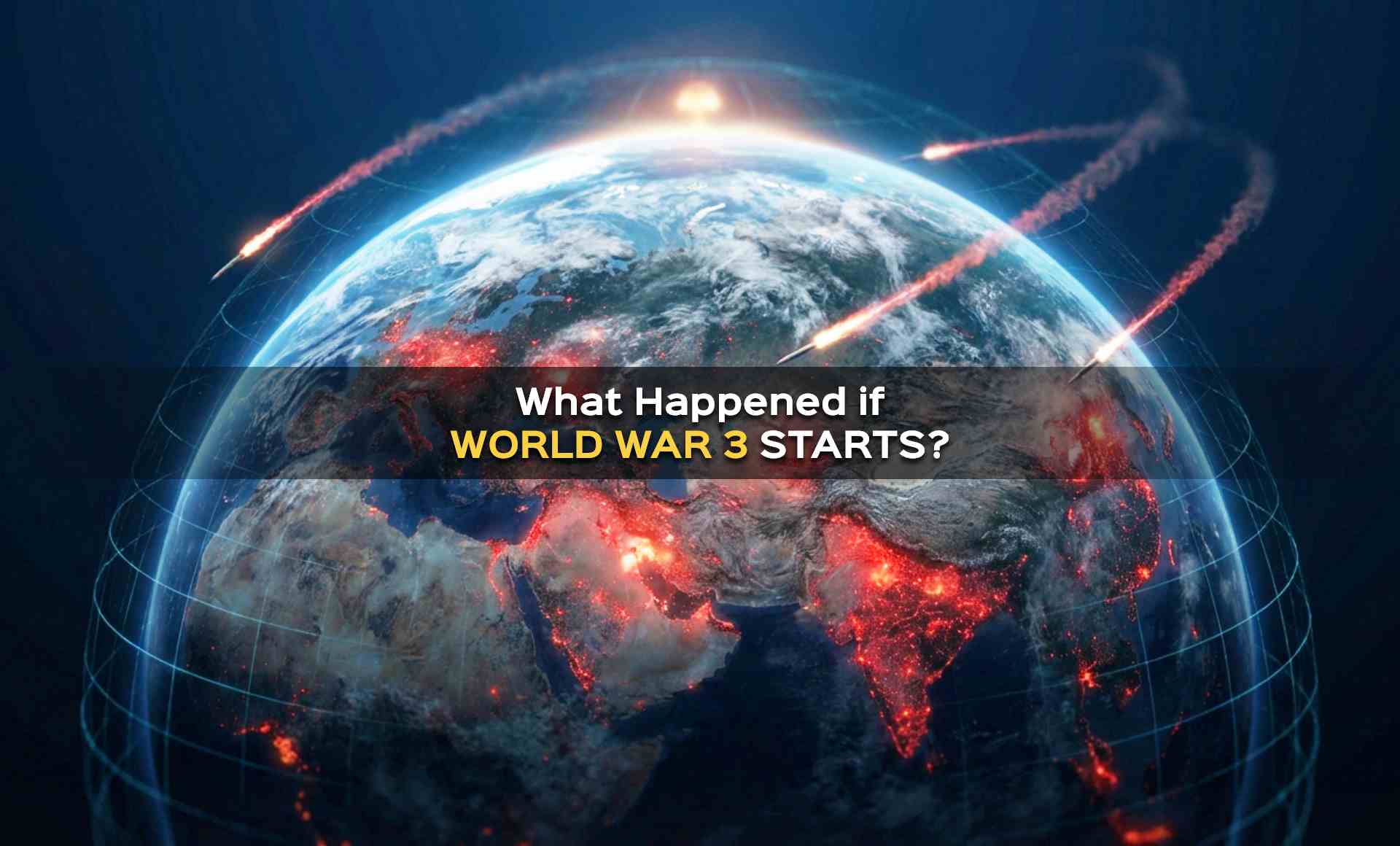
What Happens If World War 3 Starts? A Realistic Look at the Future
The idea of World War 3 is something that captures global curiosity, fear, and fascination all at once. Many people wonder: Would it be nuclear? Would the world survive? How would daily life change?
While no one can predict the future with certainty, analyzing current geopolitics, military strategies, and historical patterns helps us understand what could realistically happen if World War 3 begins.
In this guide, you’ll learn exactly what happens if World War 3 starts, including nuclear risks, global impact, and survival strategies.
What Could Trigger World War 3?
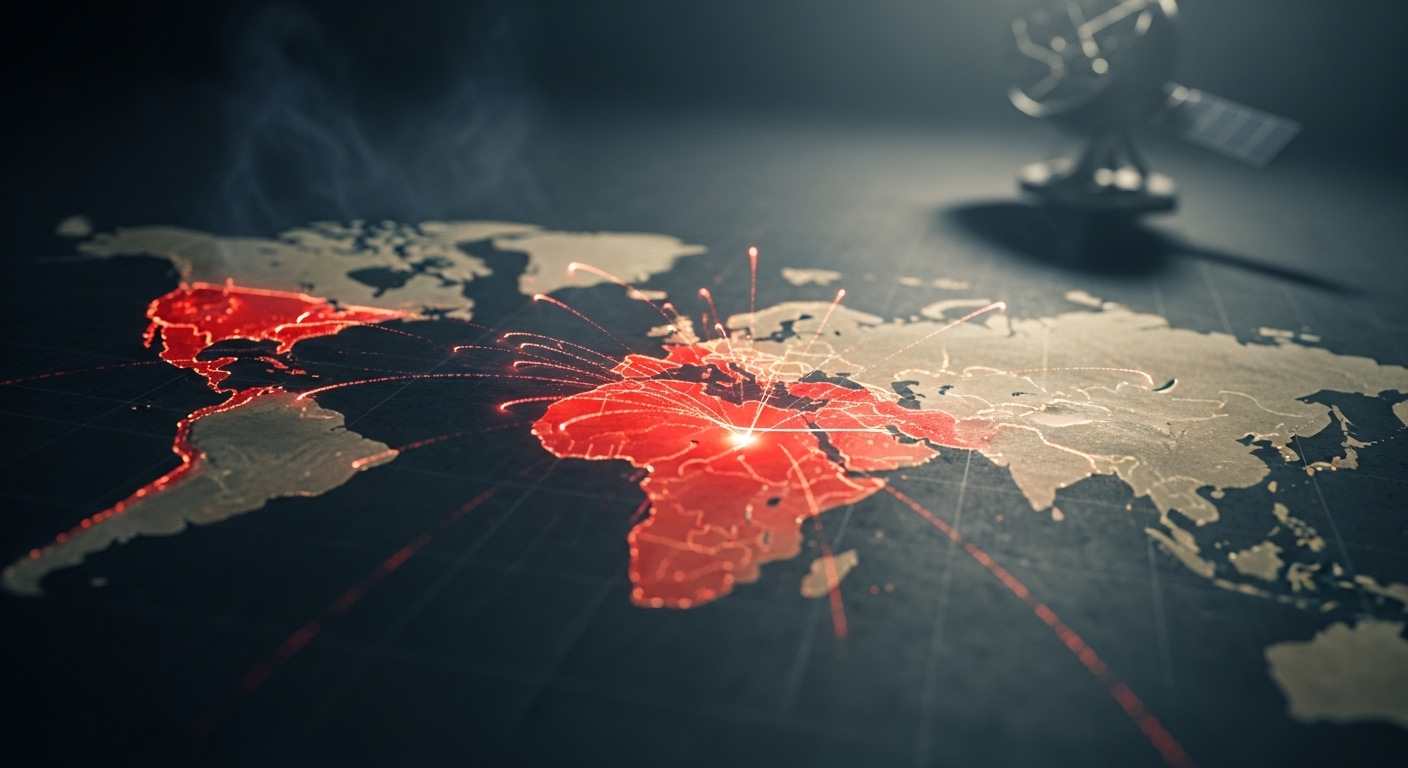
World War 3 would not start randomly. It would likely be triggered by escalating tensions between powerful nations.
Key Possible Triggers:
- Conflict between major powers (USA, China, Russia)
- Territorial disputes (Taiwan, Ukraine, South China Sea)
- Cyber warfare turning into physical war
- Economic collapse leading to global instability
- Military alliances activating (like NATO)
Unlike previous wars, today’s world is deeply interconnected. A single conflict can quickly spiral into a global war.
How World War 3 Would Begin
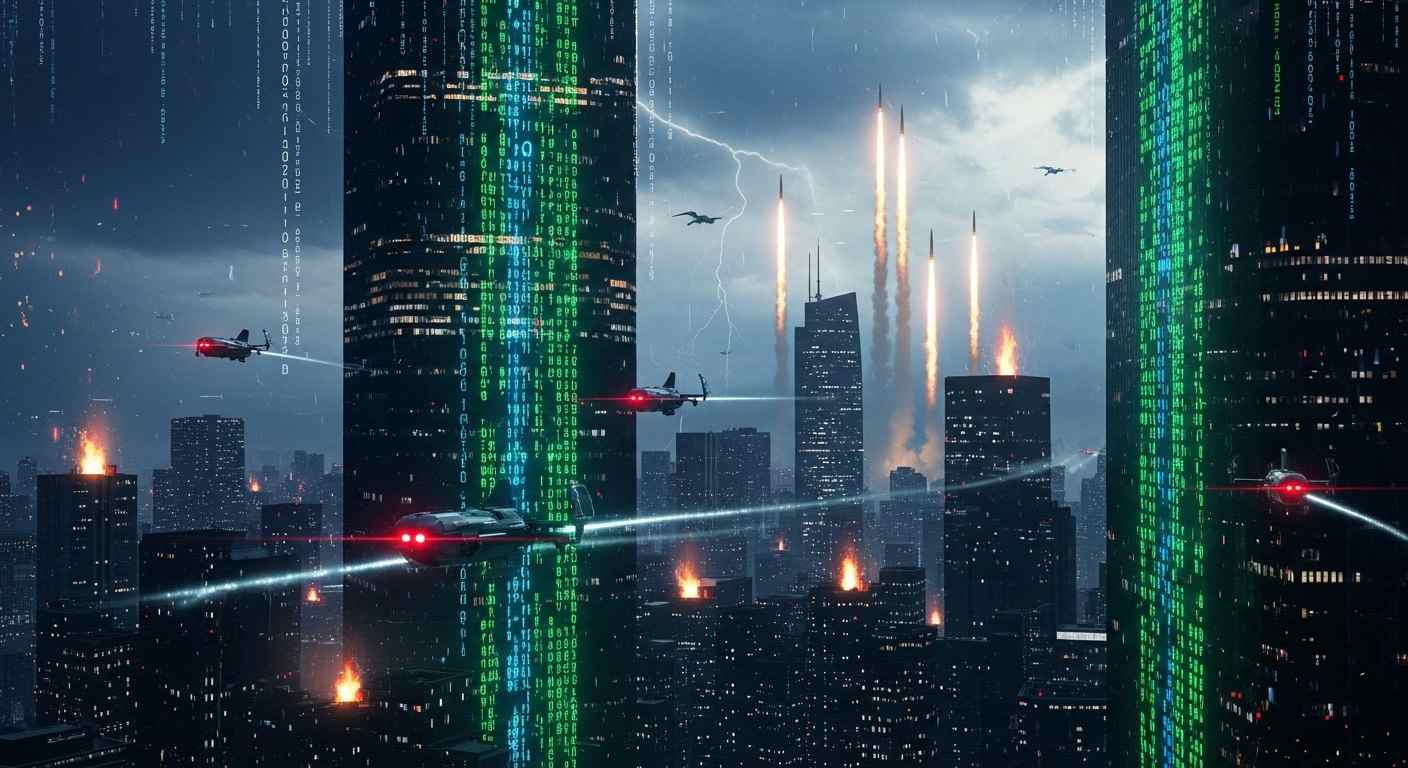
Modern warfare is very different from World War 1 or World War 2.
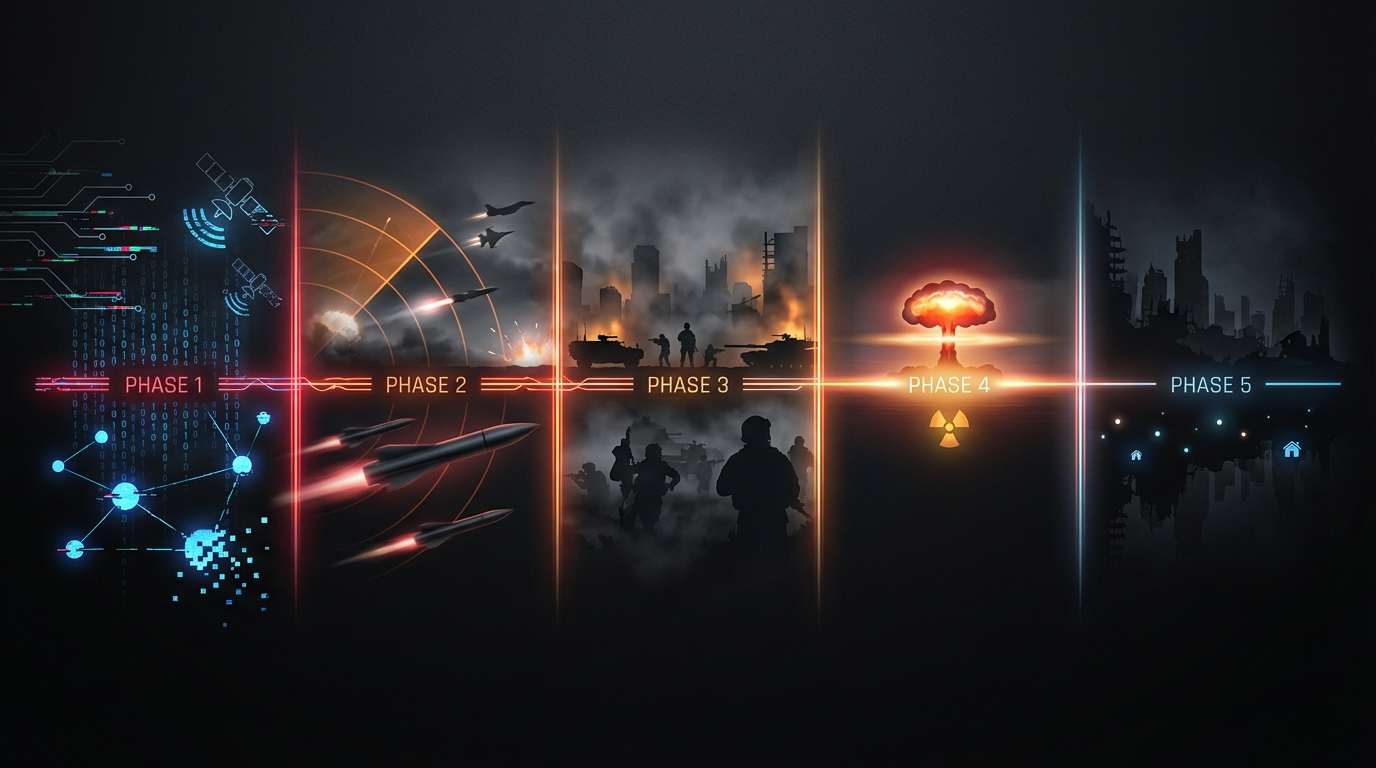
Phase 1: Cyber Warfare
- Power grids shut down
- Banking systems collapse
- Communication networks disrupted
Phase 2: Air & Missile Strikes
- Precision missile attacks on military bases
- Drone warfare becomes dominant
- Satellites targeted (space warfare begins)
Phase 3: Ground & Naval Battles
- Strategic regions become war zones
- Major cities could be attacked
This means World War 3 would likely start silently (cyber attacks) before becoming visible.
Would World War 3 Be Nuclear?
This is the biggest and most searched question:
👉 “Will World War 3 be nuclear?”
The answer: Possibly—but not immediately.
Why Nuclear War Is Likely:
- Countries have thousands of nuclear weapons
- “Mutually Assured Destruction” doctrine exists
- If one nation launches nukes, retaliation is certain
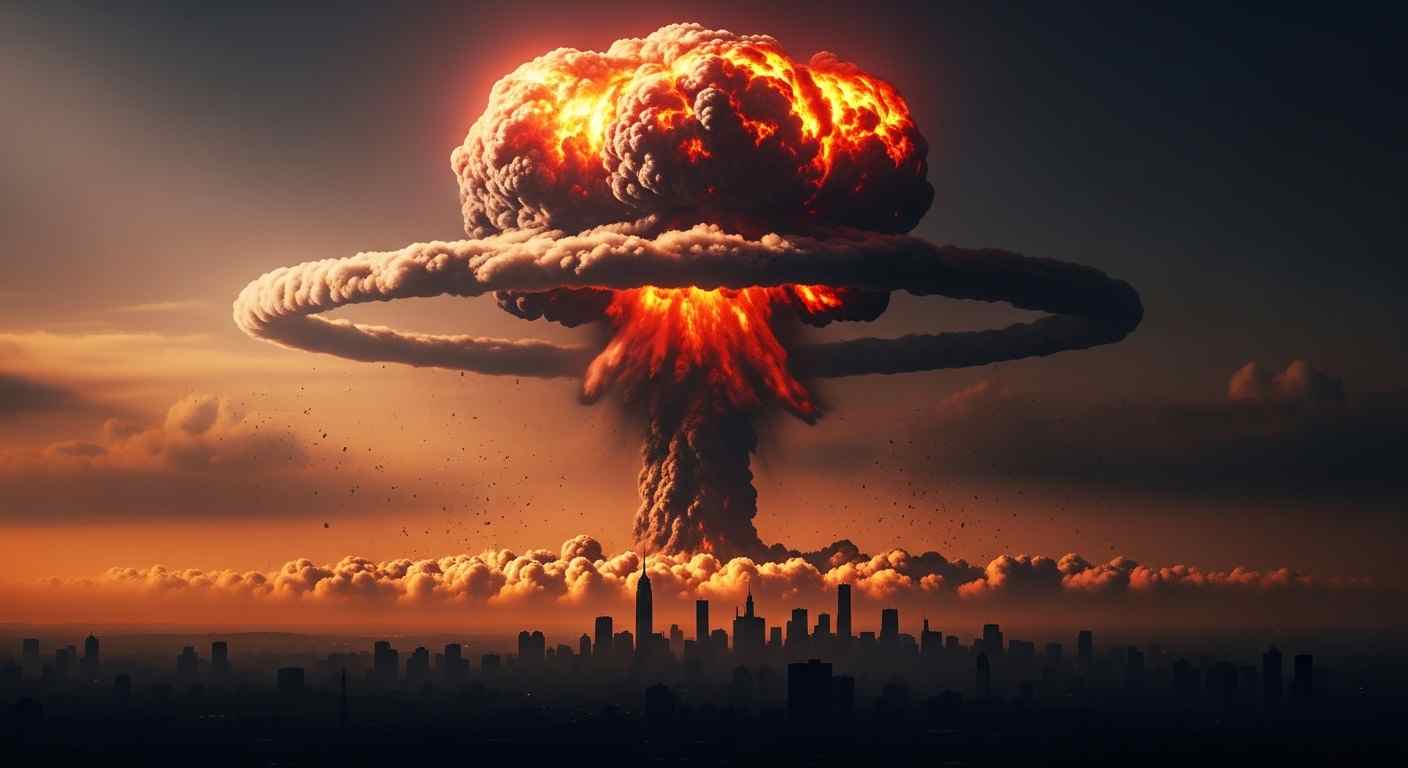
What Happens in a Nuclear War:
- Instant destruction of major cities
- Millions of deaths within minutes
- Nuclear fallout affecting entire regions
- Global temperatures drop (nuclear winter)
However, many experts believe countries will try to avoid nuclear escalation unless absolutely necessary.
How World War 3 Would Affect Daily Life
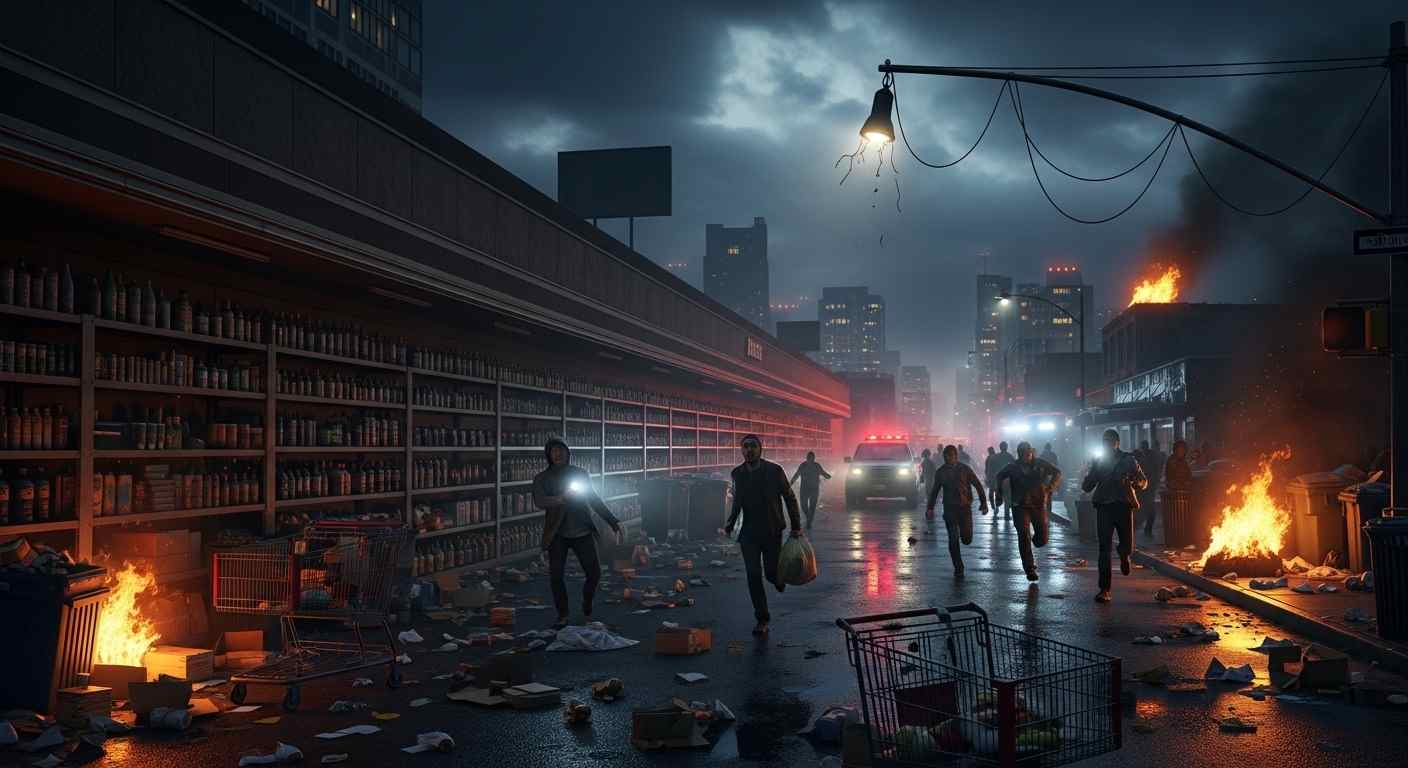
Even if you’re not in a war zone, your life will change drastically.
1. Food Shortages
- Supply chains disrupted
- Imports/export halted
- Prices skyrocket
2. Internet & Communication Shutdowns
- Limited access to social media
- Government-controlled information
- Blackouts in many regions
3. Economic Collapse
- Stock markets crash
- Banks may freeze withdrawals
- Jobs lost globally
4. Travel Restrictions
- Borders closed
- Flights canceled
- Movement controlled
In short: normal life would completely change within days.
Which Countries Would Be Involved?
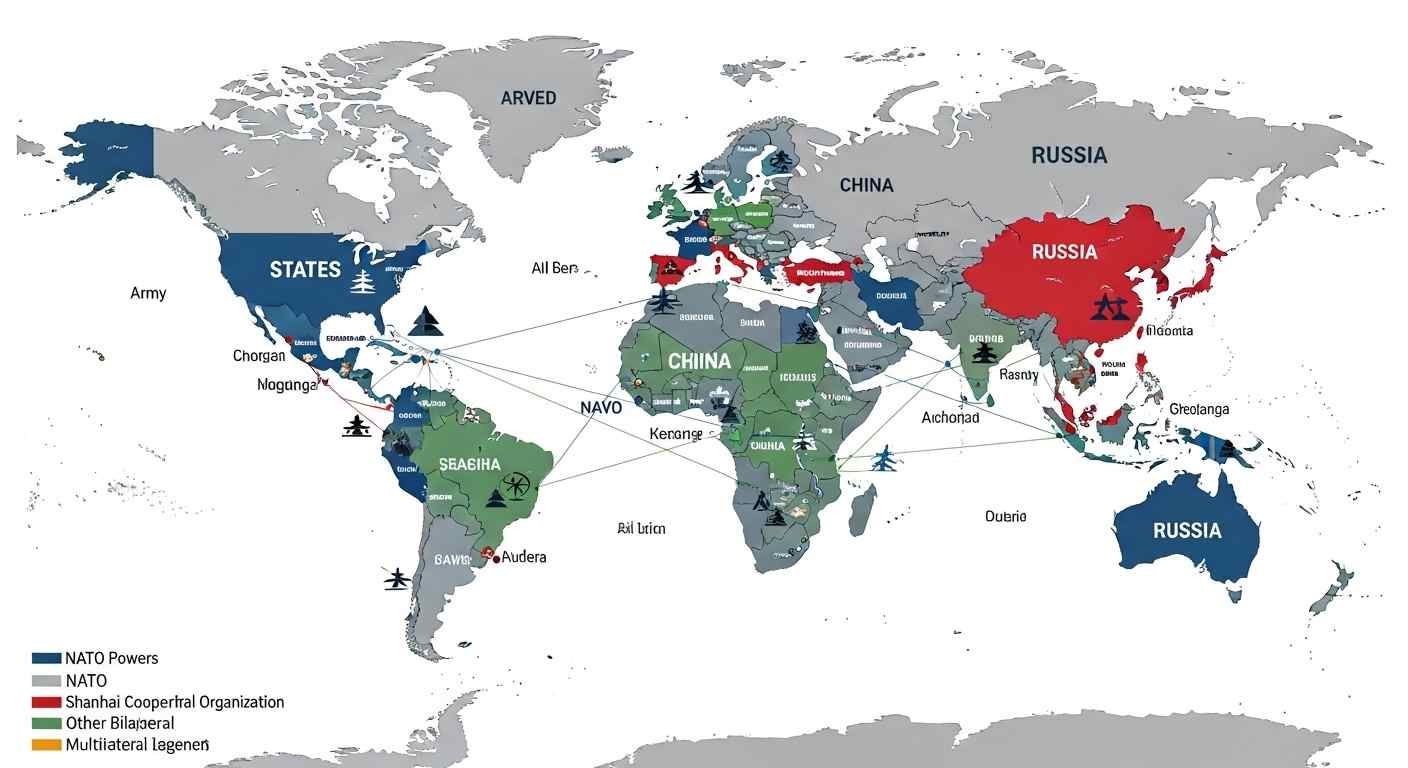
World War 3 would involve major global powers.
Likely Major Players:
- United States
- China
- Russia
- NATO countries
- India (possibly)
- Middle Eastern nations
Because of alliances, even smaller countries would be pulled into the conflict.
How Long Would World War 3 Last?
This is unpredictable, but we can estimate:
- Short war (weeks/months): If nuclear weapons are used early
- Long war (years): If conventional warfare continues
Modern wars can escalate quickly but also end quickly due to massive destruction.
What Would Happen to the Global Economy?
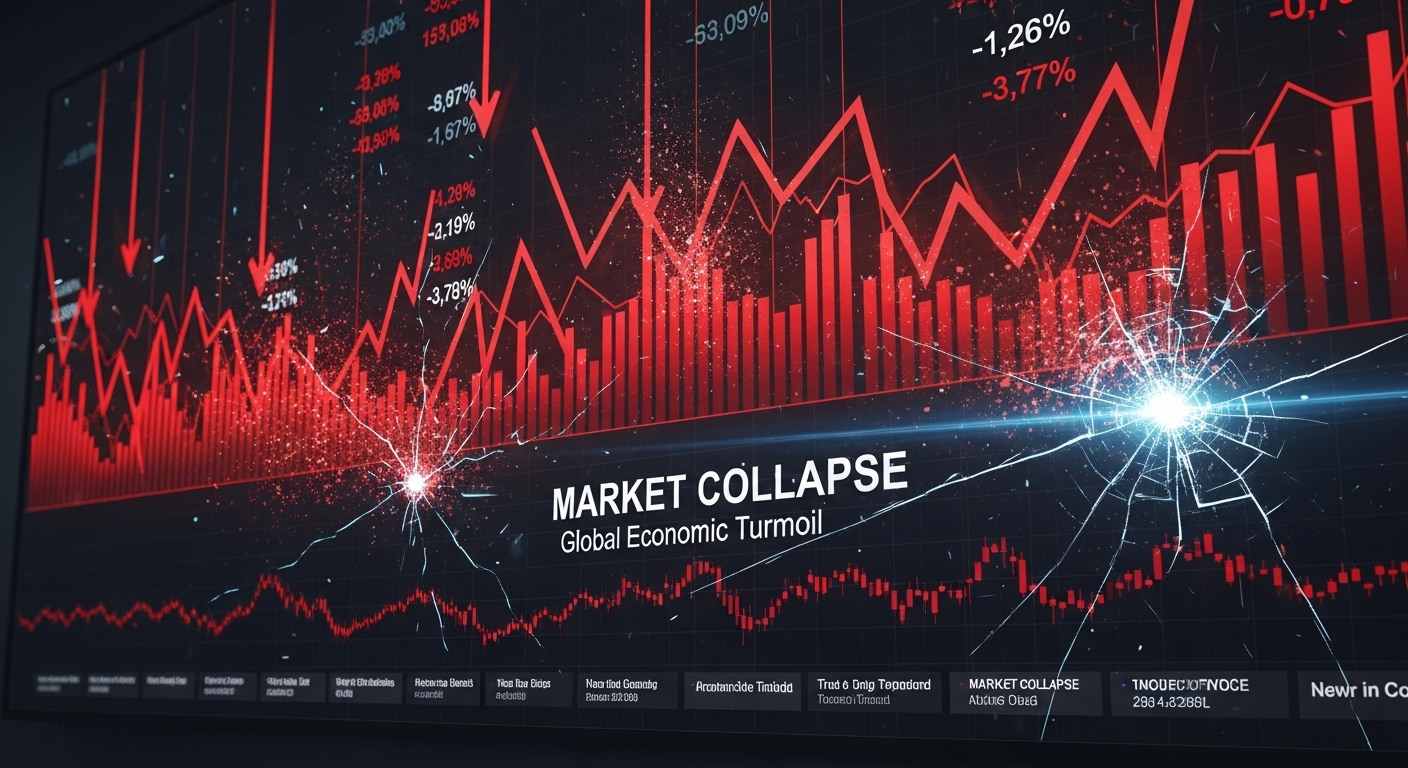
The global economy would face its biggest collapse in history.
Immediate Effects:
- Oil prices skyrocket
- Trade stops
- Currency values crash
Long-Term Effects:
- New global power structure
- Shift in economic dominance
- Rise of local economies over global trade
Your savings, business, and income could all be affected.
Can Humanity Survive World War 3?
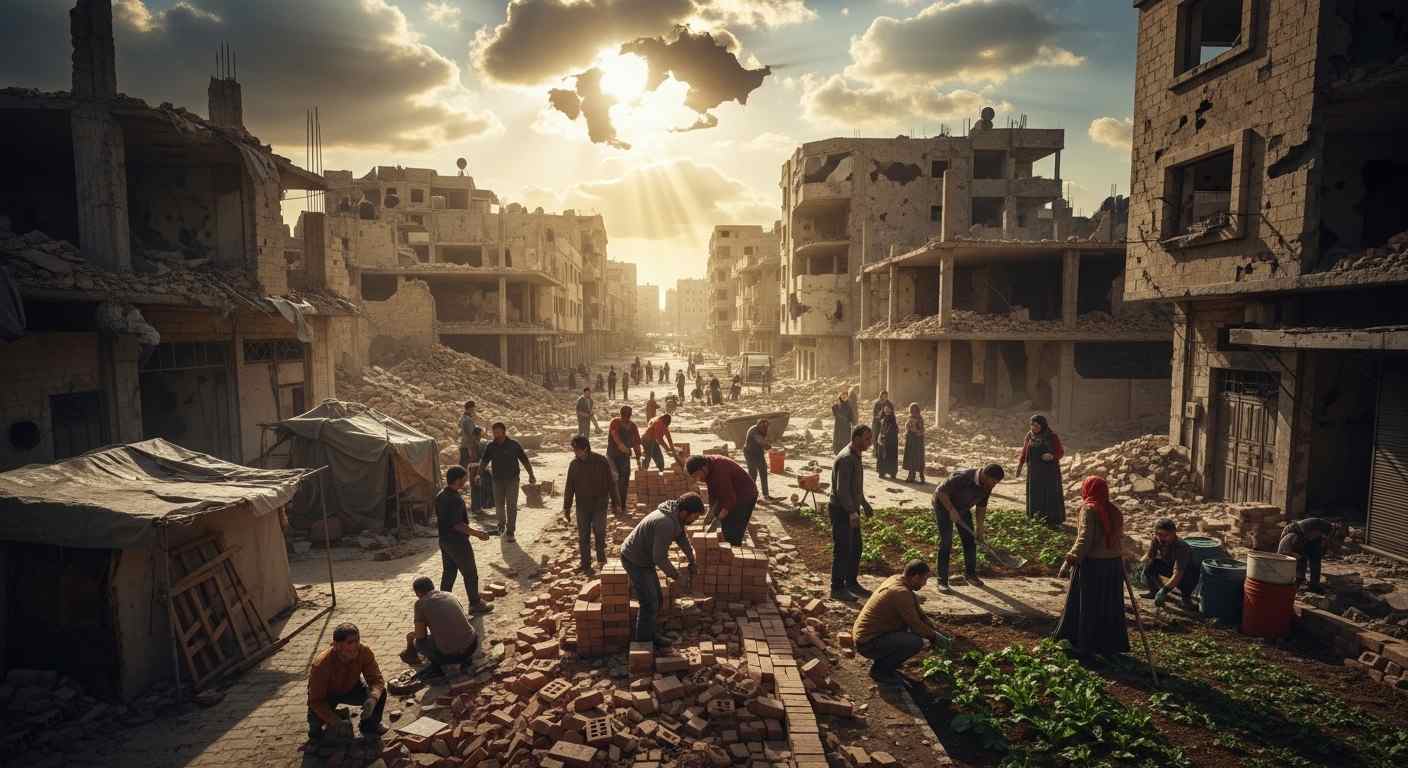
Yes—but with consequences.
Best Case Scenario:
- Limited war (non-nuclear)
- Countries negotiate peace
- Recovery within decades
Worst Case Scenario:
- Full nuclear war
- Billions affected
- Environmental collapse
Humanity has survived major wars before, but World War 3 would be on a completely different scale.
How to Prepare for World War 3 (Practical Tips)
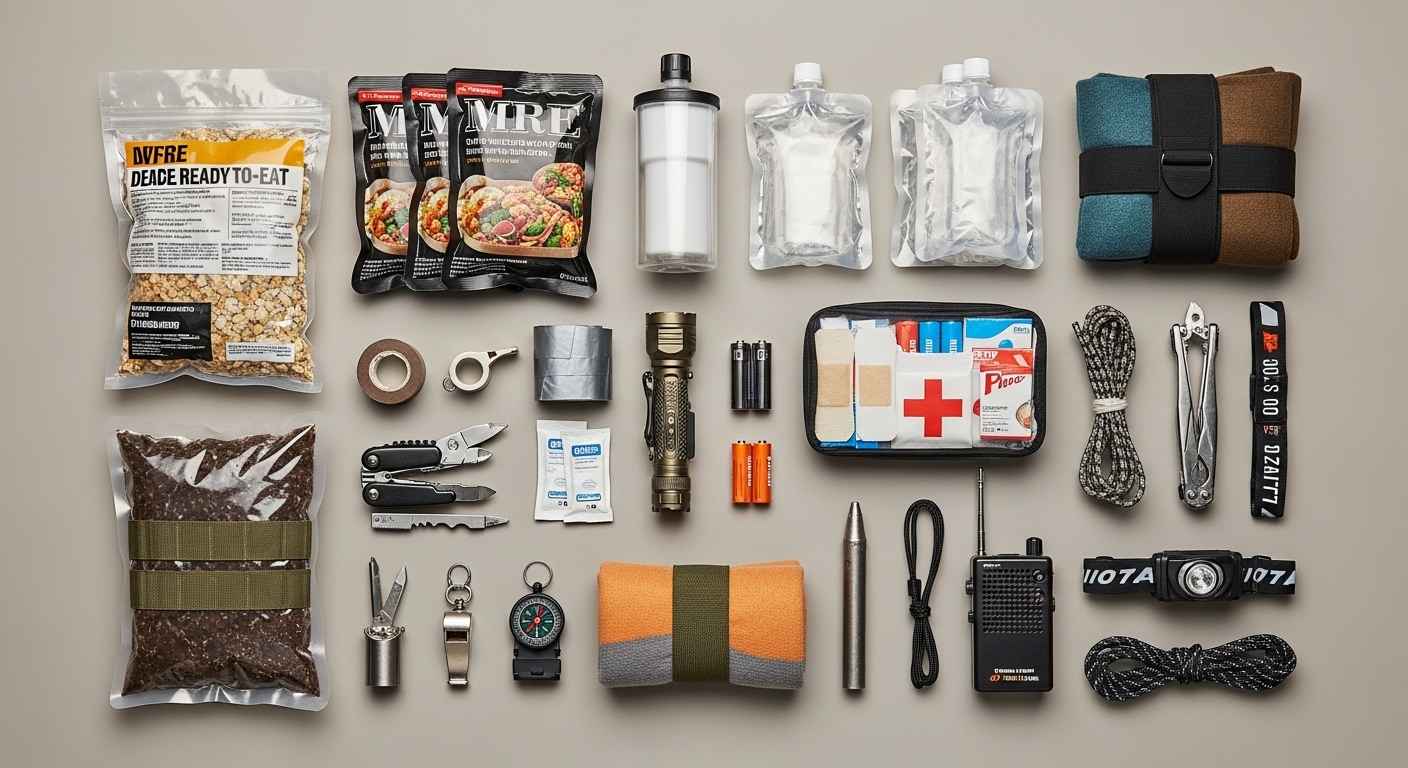
While you cannot control global events, you can prepare smartly.
Basic Survival Preparation:
- Store essential food & water (2–4 weeks supply)
- Keep emergency cash
- Backup power sources (power banks, generators)
- First aid kit
- Important documents ready
Digital Preparation:
- Offline maps
- Emergency contacts written down
- Secure important data
Preparation doesn’t mean panic—it means readiness.
Is World War 3 Inevitable?
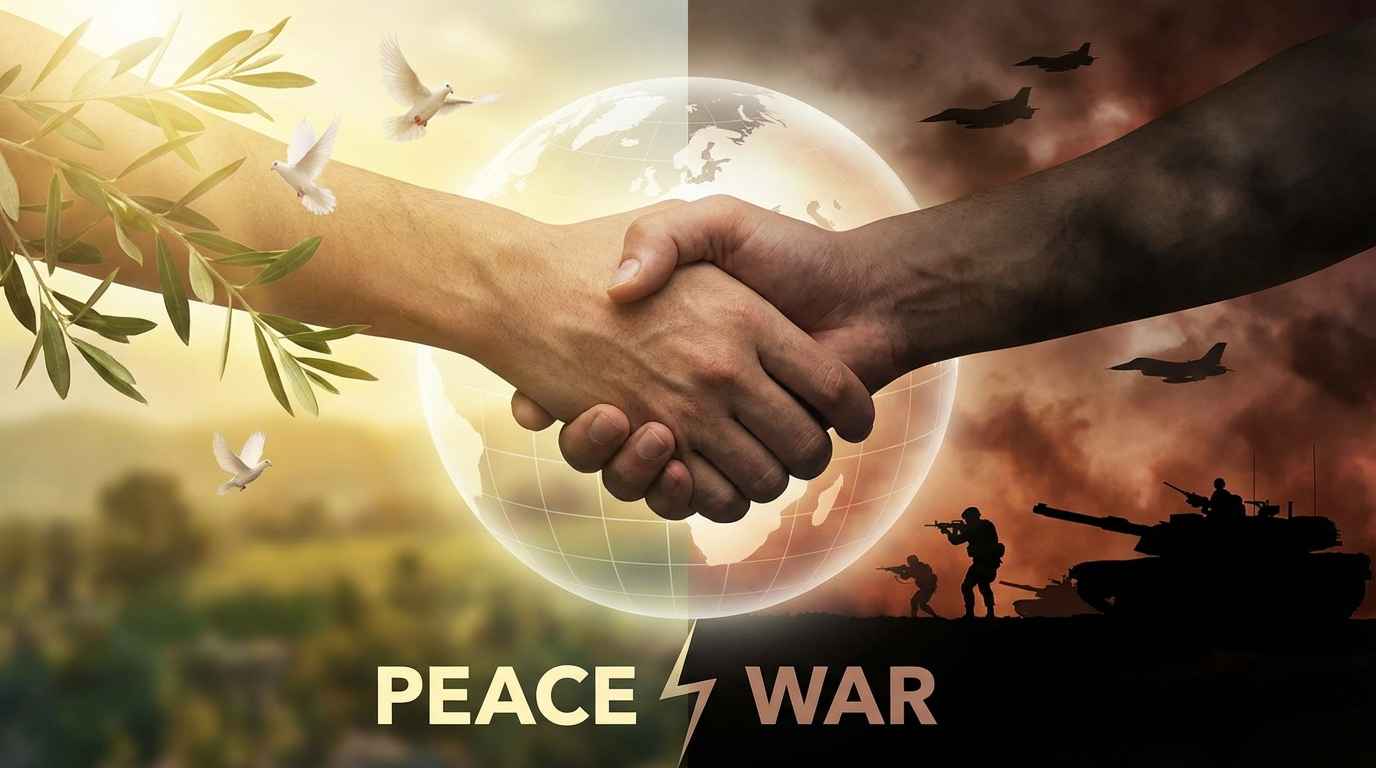
The truth: No, it is not inevitable. Despite rising tensions, global leaders understand the catastrophic consequences of a world war. Diplomacy, economic partnerships, and global organizations still play a major role in preventing war. However, the risk is never zero.
Final Thoughts
World War 3 is one of the most serious possibilities humanity faces—but it’s also one we actively try to avoid. If it happens, it won’t look like past wars. It will be faster, more technological, and potentially more destructive. But understanding the possibilities gives you awareness—and awareness is power.
Frequently Asked Questions-FAQs
1. What will happen if World War 3 starts?
If World War 3 starts, it would likely begin with cyber warfare, followed by missile strikes and global military conflict. Daily life would be disrupted with food shortages, economic collapse, and restricted communication systems.
2. Will World War 3 be nuclear?
World War 3 could involve nuclear weapons, but not necessarily at the beginning. If nuclear weapons are used, it could cause massive destruction, global fallout, and long-term environmental damage.
3. How long would World War 3 last?
World War 3 could last from a few weeks to several years depending on the scale. A nuclear war could end quickly but with devastating consequences, while conventional war may continue longer.
4. Can humans survive World War 3?
Yes, humanity can survive World War 3, especially if nuclear weapons are avoided. However, survival would depend on location, preparedness, and the severity of the conflict.