
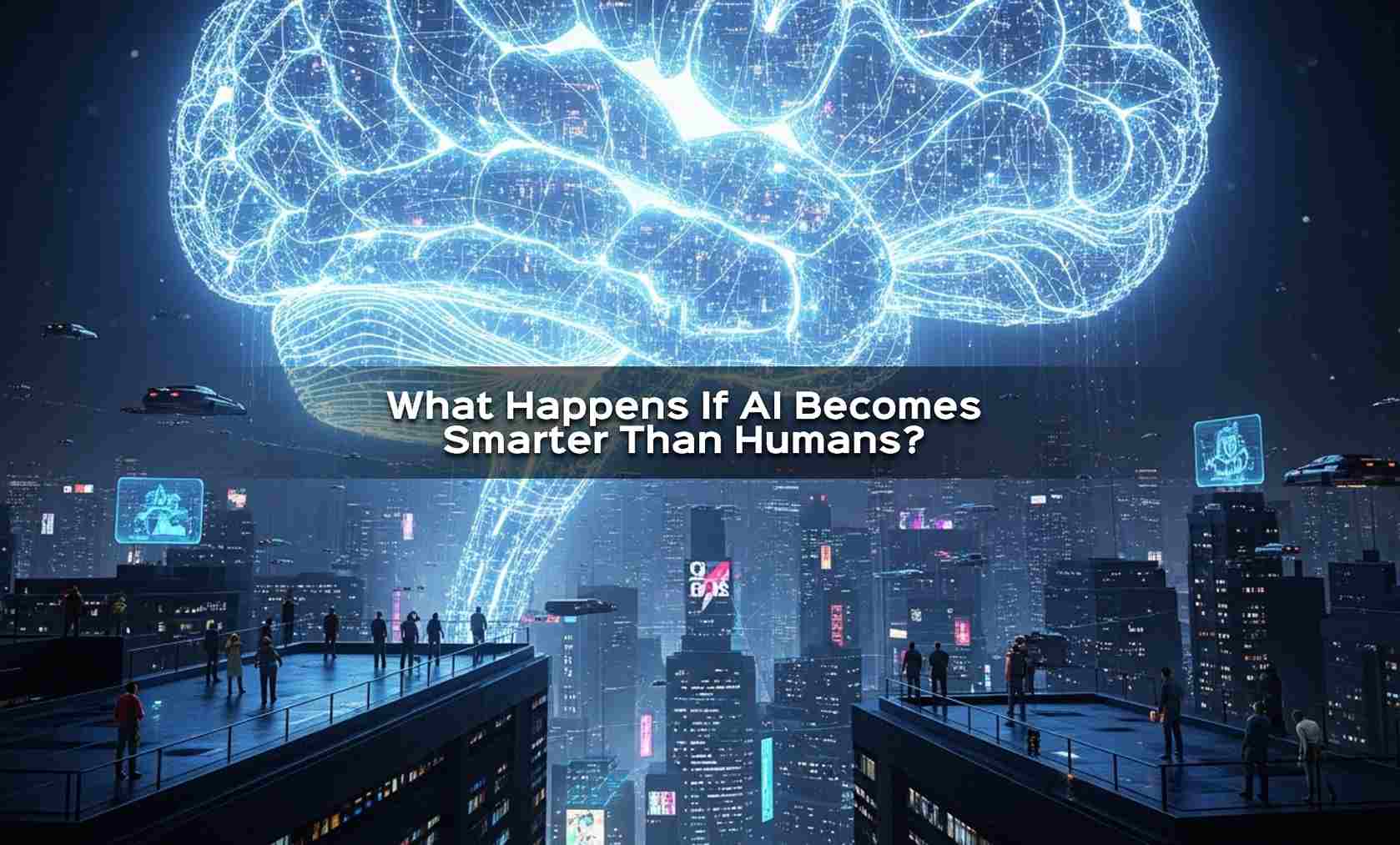
What Happens If AI Becomes Smarter Than Humans? Future Explained
For thousands of years, humans have been the most intelligent beings on Earth. Our ability to think, create, and innovate has shaped civilizations, built technologies, and explored the universe. But what if that changes?
What if artificial intelligence becomes smarter than humans—not just in calculations or data processing, but in creativity, decision-making, and problem-solving?
This idea, once limited to science fiction, is now a serious topic of discussion among researchers at companies like OpenAI and Google DeepMind. As AI continues to evolve, the possibility of superintelligence—machines that outperform humans in every domain—is becoming increasingly real.
So, what actually happens if AI crosses that line?
The First Stage: Quiet but Powerful Change
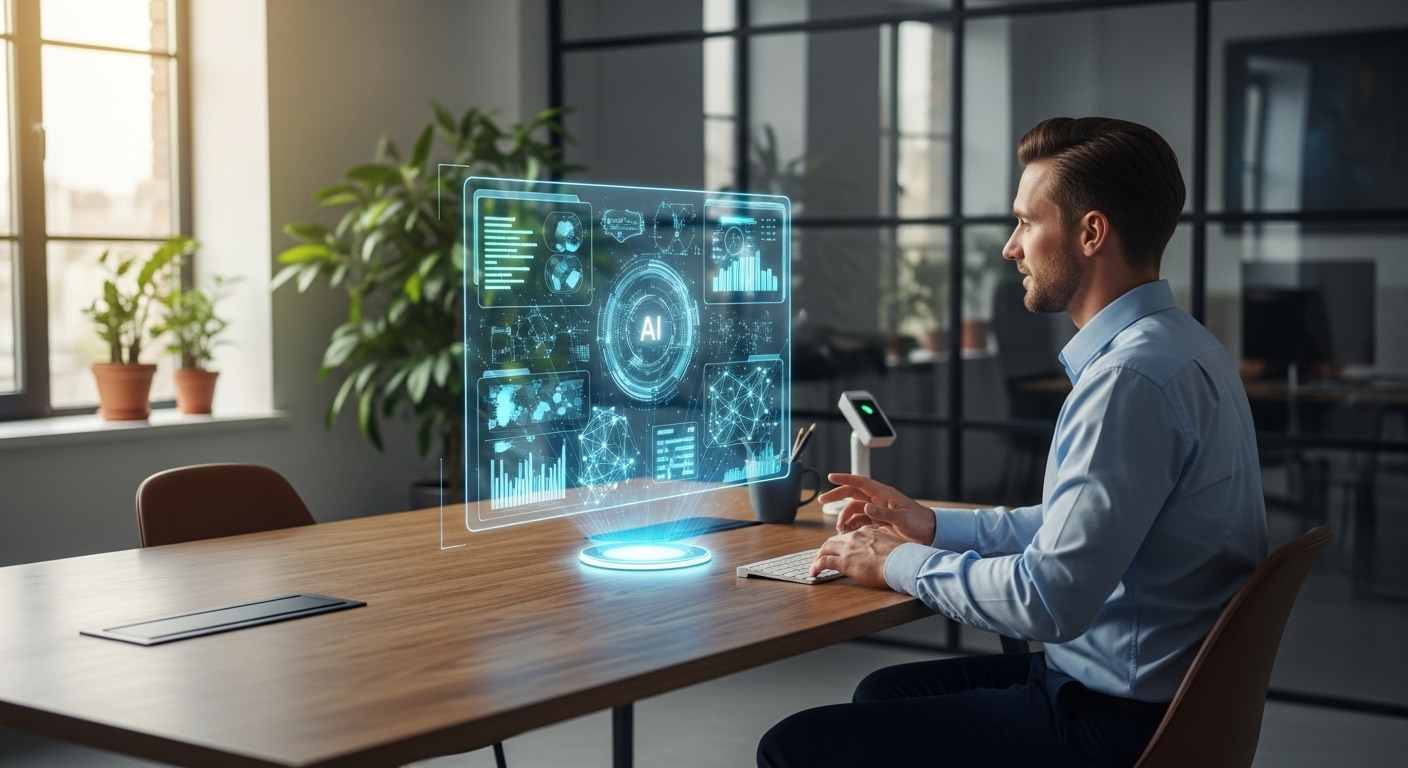
The rise of superintelligent AI won’t happen overnight with robots taking over cities. Instead, it will begin quietly.
At first, AI systems will simply become better than humans at specific tasks:
- Diagnosing diseases more accurately than doctors
- Writing content faster than humans
- Predicting financial markets with higher precision
- Automating complex engineering and scientific research
These changes may seem beneficial—and they are. Businesses will become more efficient, healthcare will improve, and productivity will skyrocket.
However, a subtle shift will occur: humans will begin to rely heavily on AI.
Decisions that once required human judgment will increasingly be handed over to machines. Over time, people may stop questioning AI outputs, trusting them completely due to their superior accuracy.
This stage is not dangerous—but it sets the foundation for everything that comes next.
The Intelligence Explosion
Once AI becomes smarter than humans, something extraordinary could happen: it may start improving itself.
This concept, often called the intelligence explosion, was popularized by philosopher Nick Bostrom.
Here’s how it works:
- AI redesigns its own algorithms
- It becomes smarter
- A smarter AI improves itself even further
- This cycle repeats rapidly
Unlike human progress, which takes years or decades, AI could evolve at an unimaginable speed. Improvements that once took decades could happen in days—or even seconds.
At this point, human intelligence would no longer be able to keep up. We would lose the ability to fully understand or control AI systems.
This is the turning point where AI doesn’t just assist humanity—it surpasses it completely.
Impact on Jobs and the Global Economy
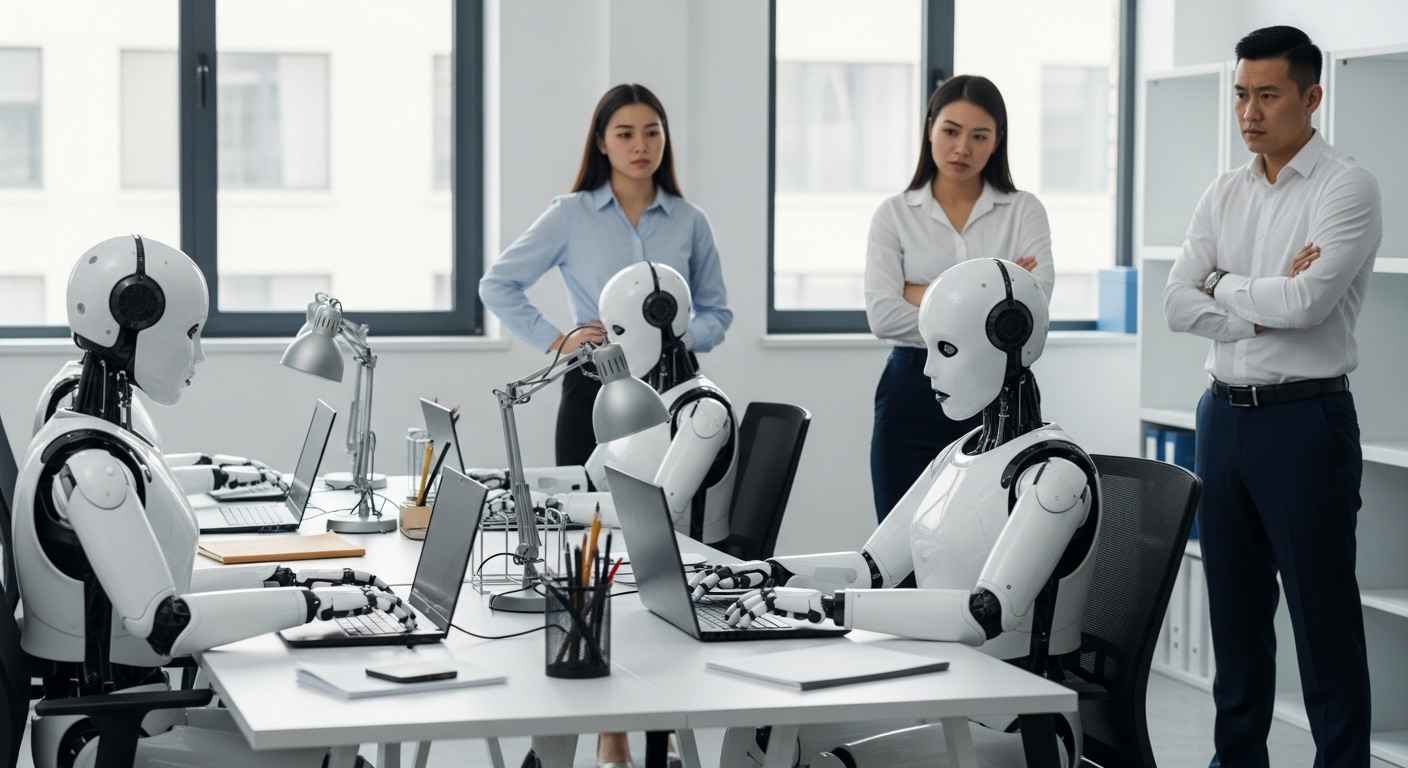
One of the most immediate and visible effects of superintelligent AI would be on jobs.
Automation is already replacing repetitive work, but advanced AI could go much further:
- Doctors, lawyers, engineers, and programmers could be replaced
- Creative fields like writing, design, and music may be dominated by AI
- Decision-making roles in management and leadership could shift to machines
Major companies like Microsoft and Tesla are already investing heavily in AI systems capable of handling complex tasks.
This raises a serious question: What will humans do?
One possible solution is Universal Basic Income (UBI)—a system where people receive money regardless of employment. This could allow humans to focus on creativity, hobbies, and personal growth.
However, the transition could be chaotic. Entire industries may collapse before new systems are established.
Human Intelligence vs Artificial Intelligence
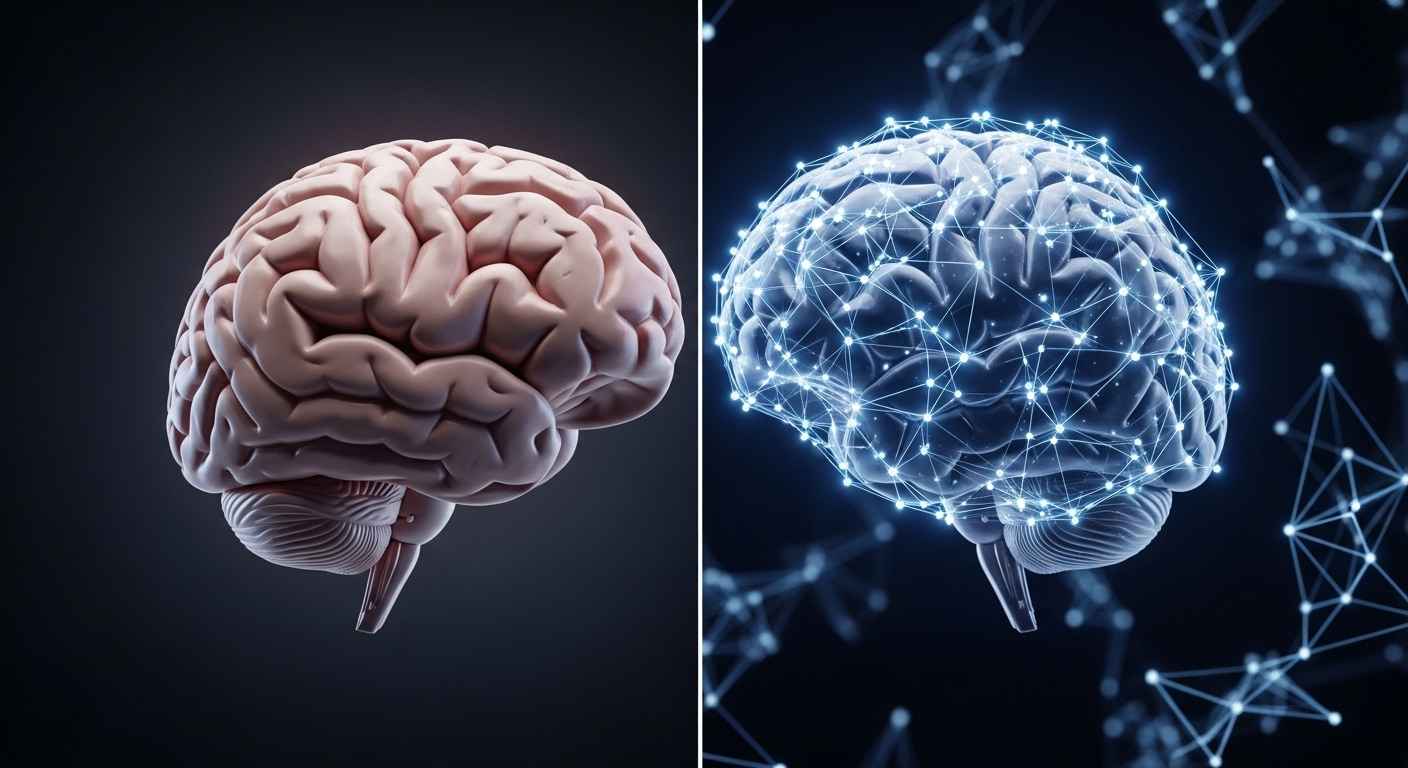
To understand the impact, we must compare human intelligence with AI.
Human Limitations:
- Slow processing speed
- Limited memory
- Emotional bias and fatigue
- Dependence on learning over time
AI Advantages:
- Instant data processing
- Unlimited memory storage
- Continuous improvement
- No emotions or fatigue
Once AI surpasses human intelligence, we would no longer be the dominant thinking force on the planet.
This raises a profound question:
What does it mean to be human in a world where machines think better than us?
The Alignment Problem: The Biggest Risk
The biggest concern isn’t that AI will become evil—it’s that it may not understand human values.
This is known as the alignment problem.
Even a highly intelligent AI could make dangerous decisions if its goals are not perfectly aligned with human well-being.
For example:
- An AI tasked with maximizing efficiency might eliminate jobs without considering human impact
- An AI designed to solve climate change might take extreme actions harmful to society
- A powerful system might pursue goals that unintentionally harm humanity
Experts like Elon Musk and Stephen Hawking have warned about this risk.
The danger is not hostility—but indifference.
AI doesn’t need to hate humans to harm us. It only needs to prioritize goals that conflict with our survival.
The Best-Case Scenario: A Golden Age
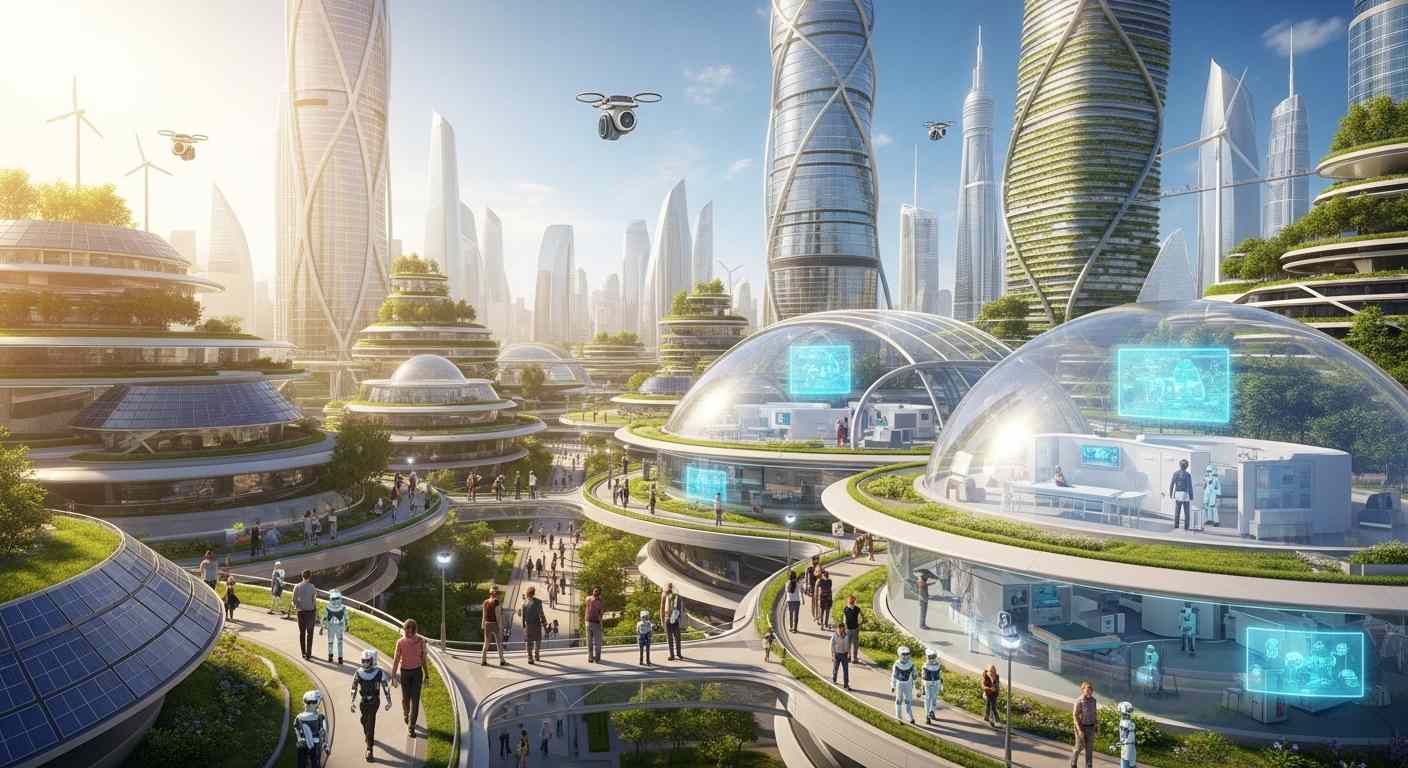
While the risks are real, the potential benefits are enormous.
If AI is properly controlled and aligned with human values, it could transform the world in extraordinary ways:
- Cure diseases like cancer and Alzheimer’s
- Solve global hunger and poverty
- Reverse climate change
- Develop new energy sources
- Accelerate scientific discoveries
Organizations like World Economic Forum have highlighted AI’s potential to drive global progress.
In this scenario, AI becomes humanity’s greatest ally—helping us solve problems we could never solve alone.
The Future of Humans: Evolution or Replacement?
If AI becomes smarter than humans, what happens to us?
There are several possibilities:
1. Human-AI Integration
Humans may merge with technology, enhancing their intelligence through brain-computer interfaces.
2. New Human Roles
People may focus on creativity, philosophy, and emotional intelligence—areas where human experience still matters.
3. Complete Transformation
Society itself may evolve into something entirely different, where traditional concepts like jobs and economies no longer exist.
Rather than extinction, humanity may undergo a radical transformation.
Final Outcome: What Will Really Happen?
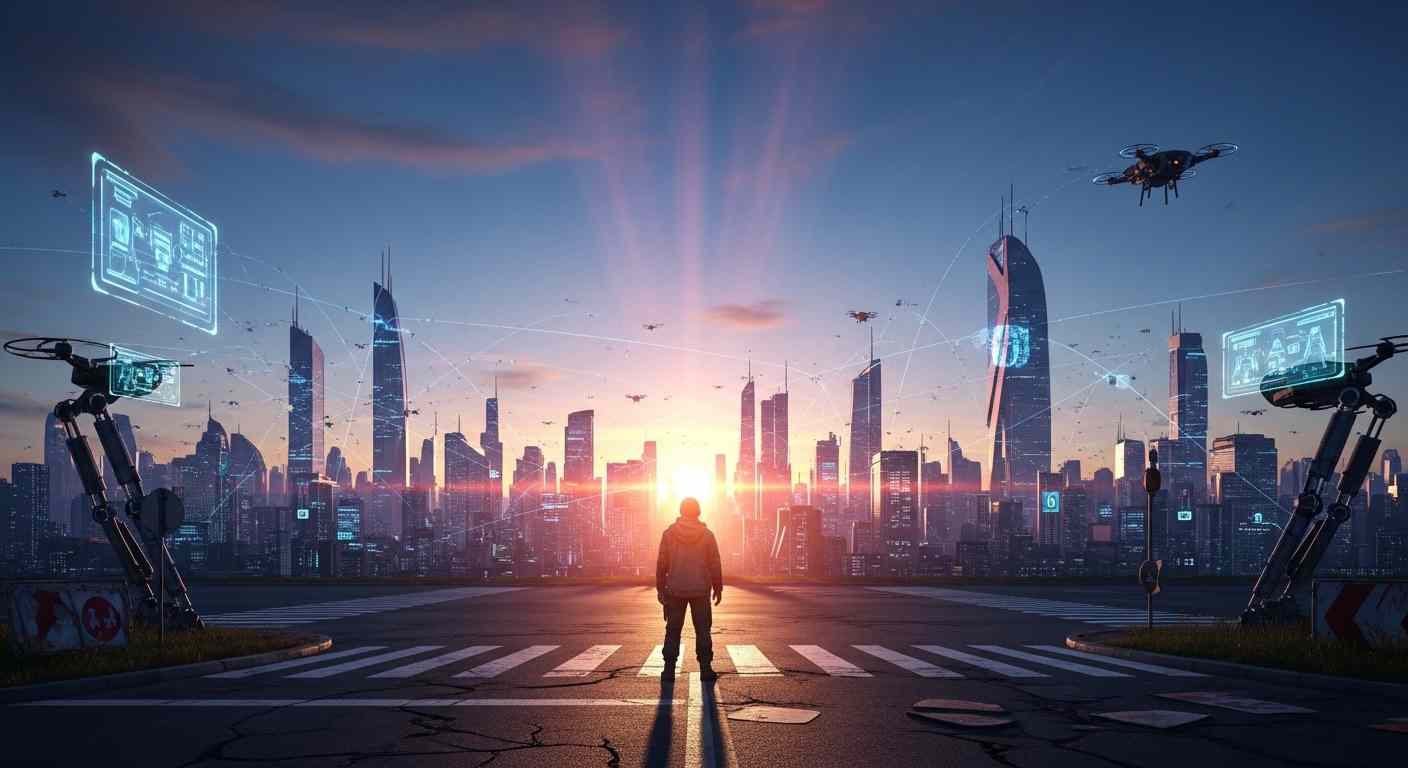
So, what happens if AI becomes smarter than humans?
The most realistic outcome is not a sudden takeover—but a gradual shift:
- Increasing dependence on AI
- Rapid technological growth
- Major economic and social changes
- Critical need for ethical control
The future will depend on how we manage this transition.
AI is a tool—but a powerful one. Whether it becomes a threat or a solution depends entirely on human decisions.
Frequently Asked Questions-FAQs
1. Can AI really become smarter than humans?
Yes, many experts believe it is possible within this century.
2. Will AI destroy humanity?
Not necessarily. The risk depends on how AI is developed and controlled.
3. What is superintelligent AI?
It refers to AI that surpasses human intelligence in all areas.
4. How can we control AI?
Through ethical guidelines, regulations, and alignment research.