
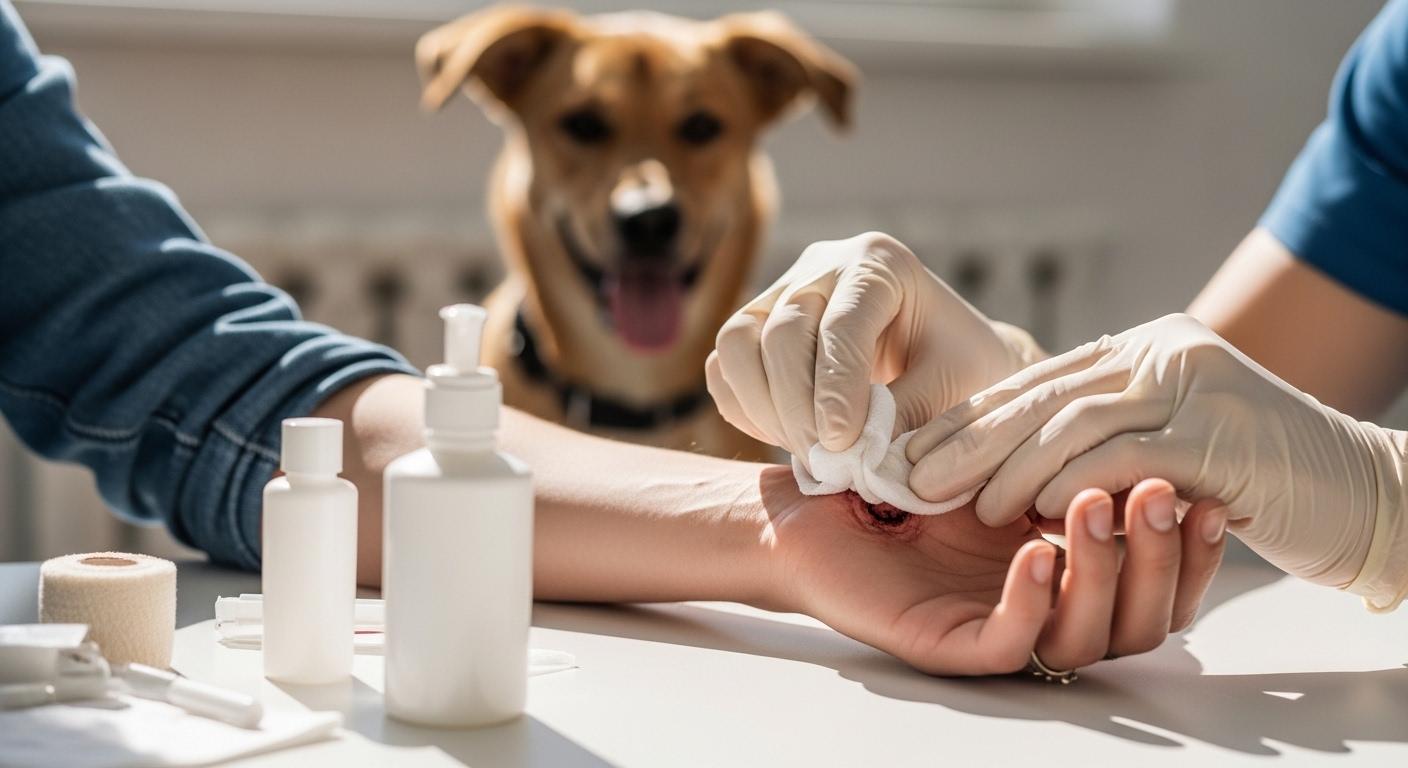
What Happens When a Dog Bites Someone? (Symptoms, Risks, Treatment & Legal Facts)
A dog bite can happen suddenly—on the street, at home, or even from a dog you already know. In just a few seconds, a bite can turn into a serious medical, emotional, and sometimes legal issue. Many people underestimate dog bites, assuming they are minor injuries. In reality, dog bites can lead to infections, permanent scars, psychological trauma, and in rare cases, life-threatening diseases like rabies.
This article explains what happens when a dog bites someone, step by step—from the moment the bite occurs to medical treatment, possible complications, and what you should do afterward. The goal is to give you clear, human, and practical information that actually helps.
Why Do Dogs Bite?

Dogs usually bite because they feel threatened, scared, or overstimulated. A bite does not always mean a dog is aggressive by nature.
Common reasons dogs bite include:
-
Fear or self-defense
-
Pain or injury
-
Protecting territory, food, or puppies
-
Sudden movements or loud noises
-
Being teased or provoked
-
Lack of training or socialization
Even friendly dogs can bite if they feel cornered or stressed.
What Happens Immediately After a Dog Bite?
When a dog bites, several things happen at once—both on the surface and beneath the skin.
1. Skin and Tissue Damage
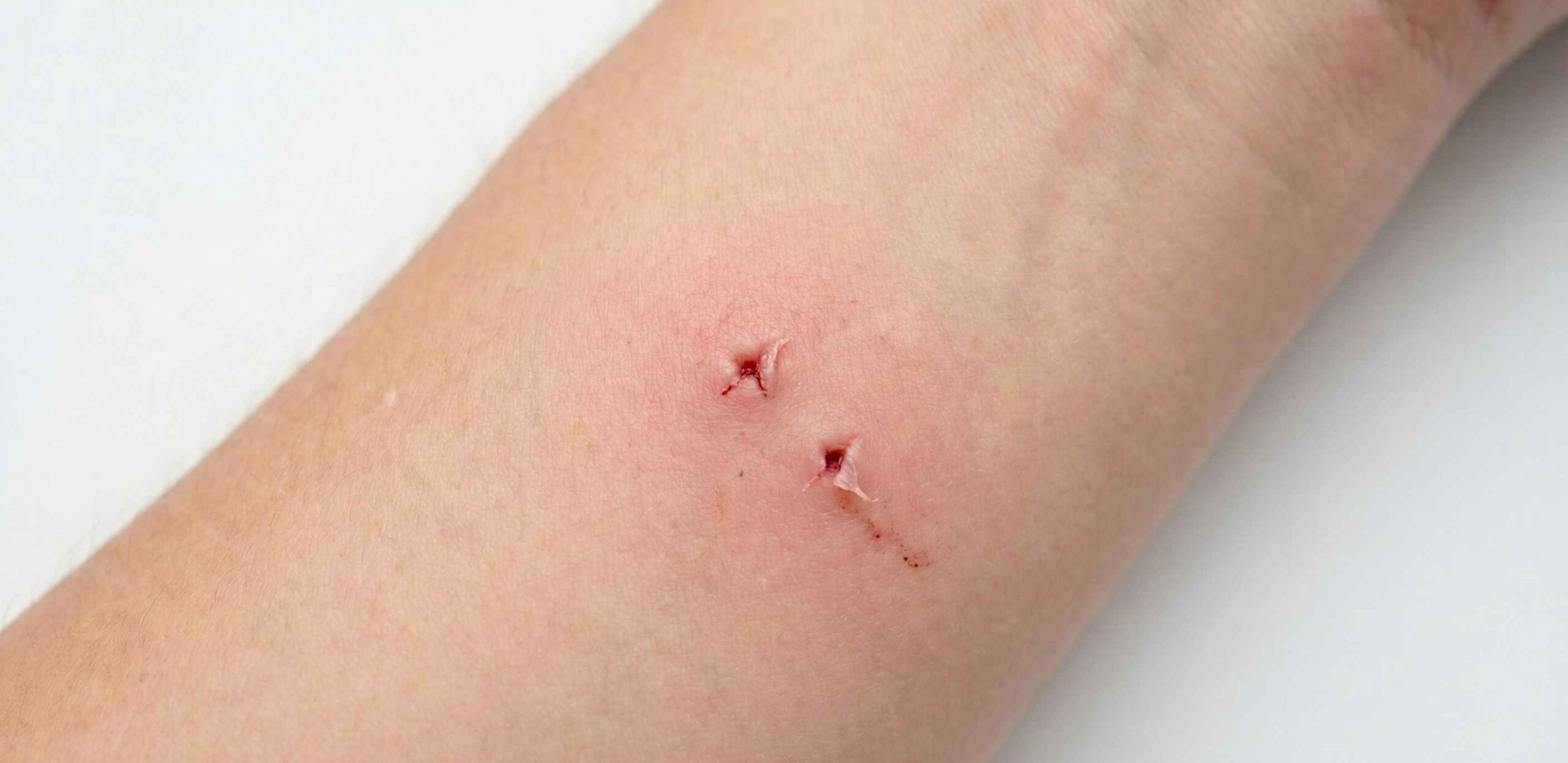
Dog teeth are strong and sharp. A bite can cause:
-
Puncture wounds
-
Deep cuts or tears
-
Crushed tissue beneath the skin
-
Bleeding (mild to severe)
Even small puncture wounds can be dangerous because bacteria are pushed deep into the tissue.
2. Pain and Swelling
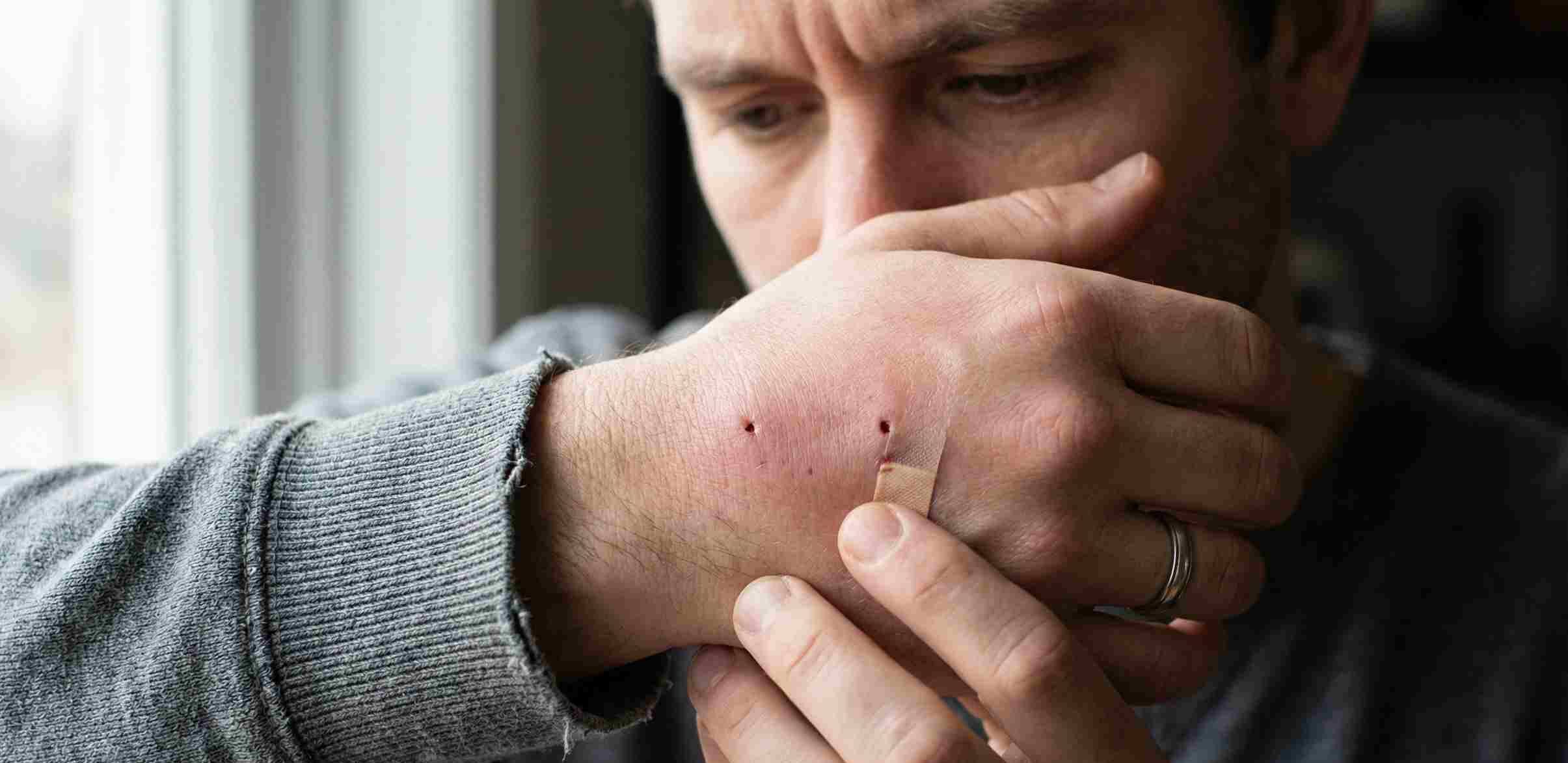
Pain usually starts immediately. Swelling may increase over the next few hours due to:
-
Tissue damage
-
Inflammation
-
Infection starting to develop
Some bites may not look serious at first but worsen later.
3. Risk of Infection Begins Immediately
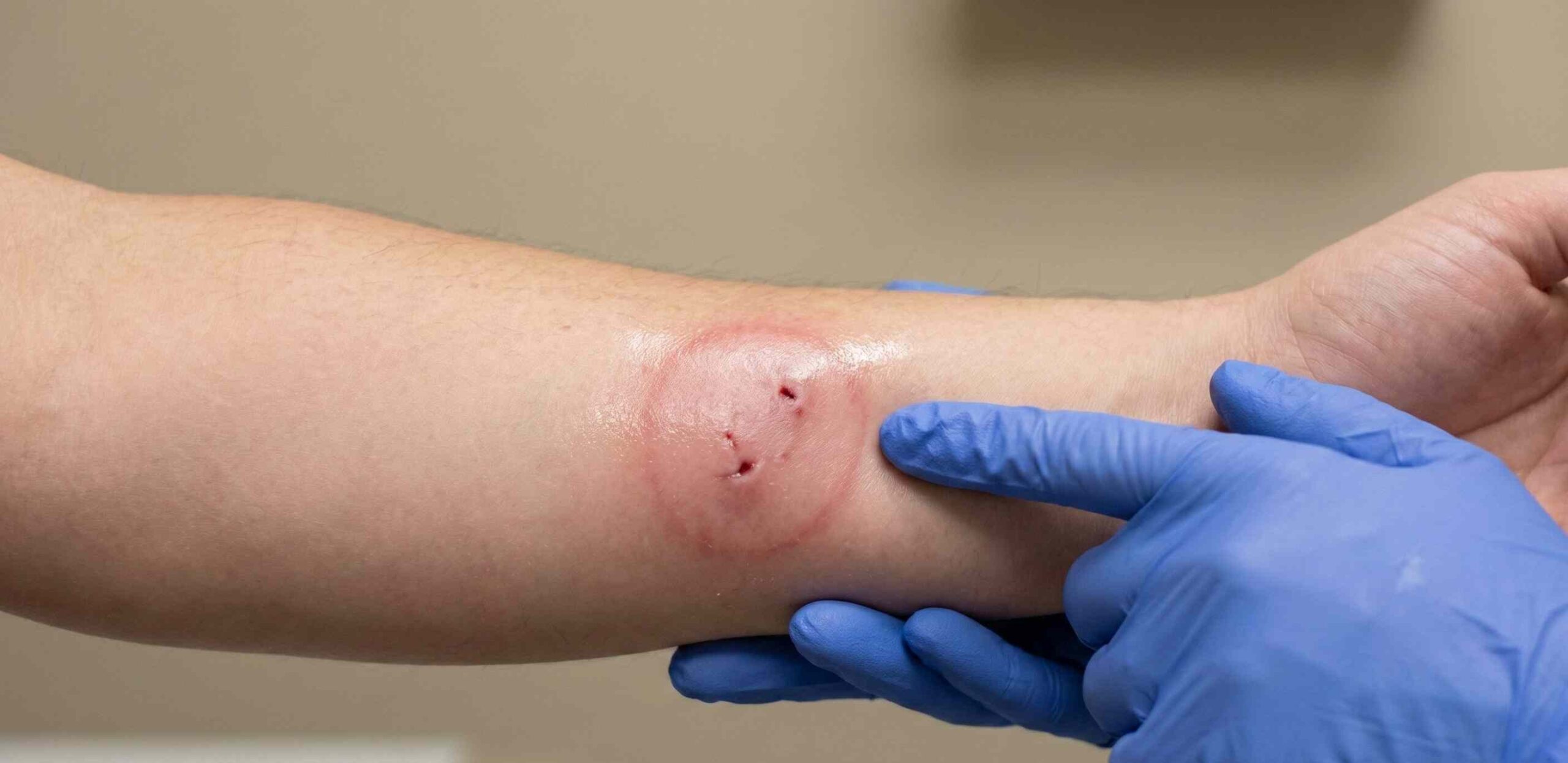
A dog’s mouth contains hundreds of bacteria. When the skin breaks, bacteria enter the wound.
Common bacteria from dog bites include:
-
Pasteurella
-
Staphylococcus
-
Streptococcus
Without proper care, infection can begin within 12 to 24 hours.
Common Symptoms After a Dog Bite
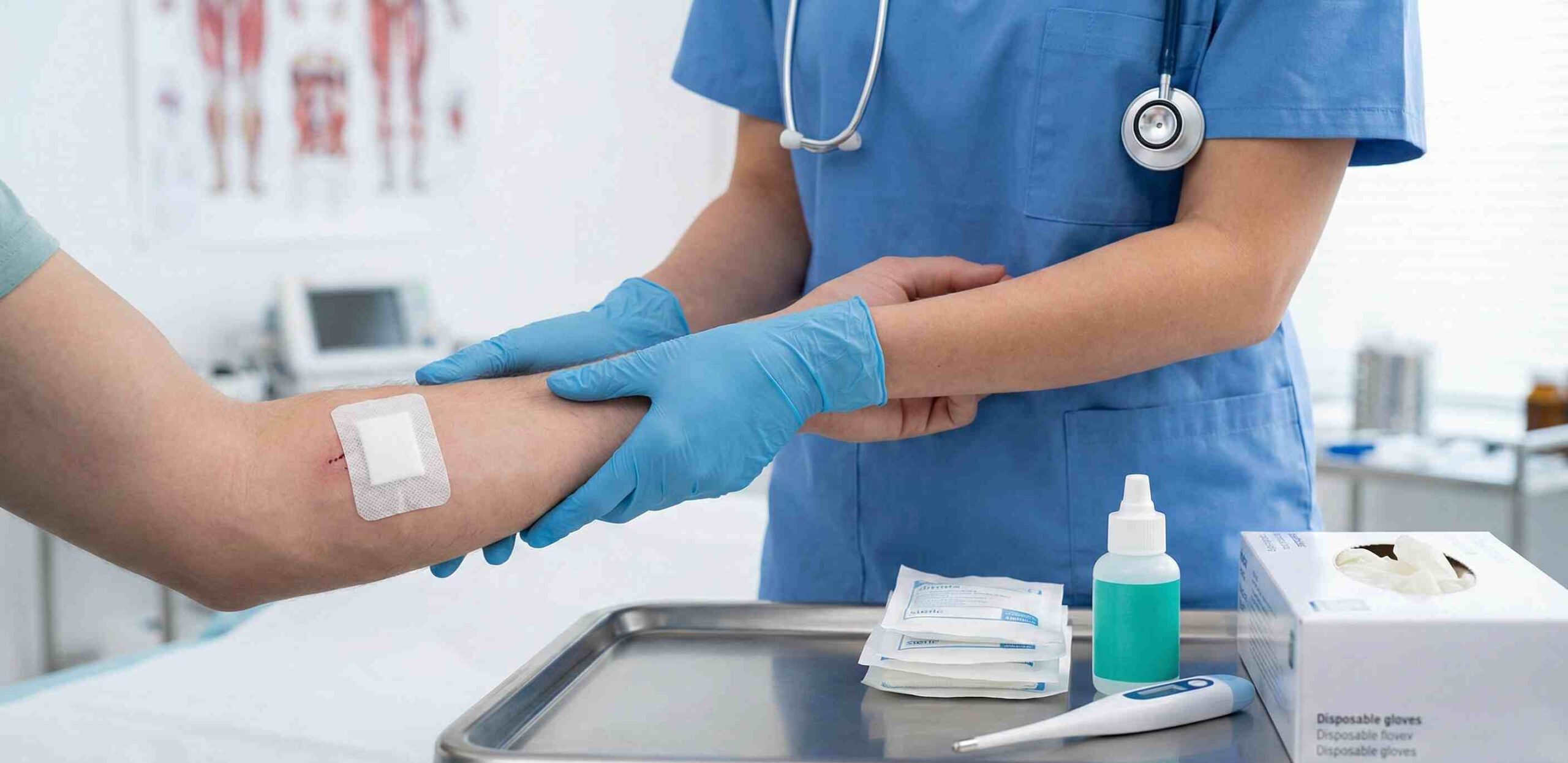
Symptoms depend on the severity of the bite and how quickly it is treated.
Mild Symptoms
-
Redness around the wound
-
Mild pain
-
Slight swelling
-
Minor bleeding
Serious Symptoms
-
Increasing pain after 24 hours
-
Warmth around the bite
-
Pus or discharge
-
Fever or chills
-
Red streaks spreading from the wound
-
Numbness or difficulty moving the area
These are signs of infection and require immediate medical attention.
Can a Dog Bite Cause Rabies?

Yes—rabies is the most serious risk associated with dog bites, though it is rare in vaccinated dogs.
What Is Rabies?
Rabies is a viral disease that affects the brain and nervous system. Once symptoms appear, it is almost always fatal.
When Is Rabies a Risk?
-
If the dog is unvaccinated
-
If the dog’s vaccination status is unknown
-
If the dog is stray or wild
-
If the bite breaks the skin
Important Fact
Rabies does not cause immediate symptoms. It can take weeks or even months to show signs, which is why post-bite treatment is critical.
What to Do Immediately After a Dog Bite (First Aid)

Step 1: Wash the Wound Immediately
-
Rinse the bite under running water for 10–15 minutes
-
Use soap if available
-
This step alone can significantly reduce infection risk
Step 2: Control Bleeding
-
Apply gentle pressure with a clean cloth
-
Elevate the area if possible
Step 3: Apply Antiseptic
-
Use iodine, alcohol, or antiseptic cream if available
Step 4: Cover the Wound
-
Use a clean bandage
-
Do not tightly seal deep wounds
Step 5: Seek Medical Attention
You should always see a doctor if:
-
The skin is broken
-
The bite is deep
-
The dog is unknown or unvaccinated
-
There is swelling, redness, or pain
Medical Treatment for Dog Bites
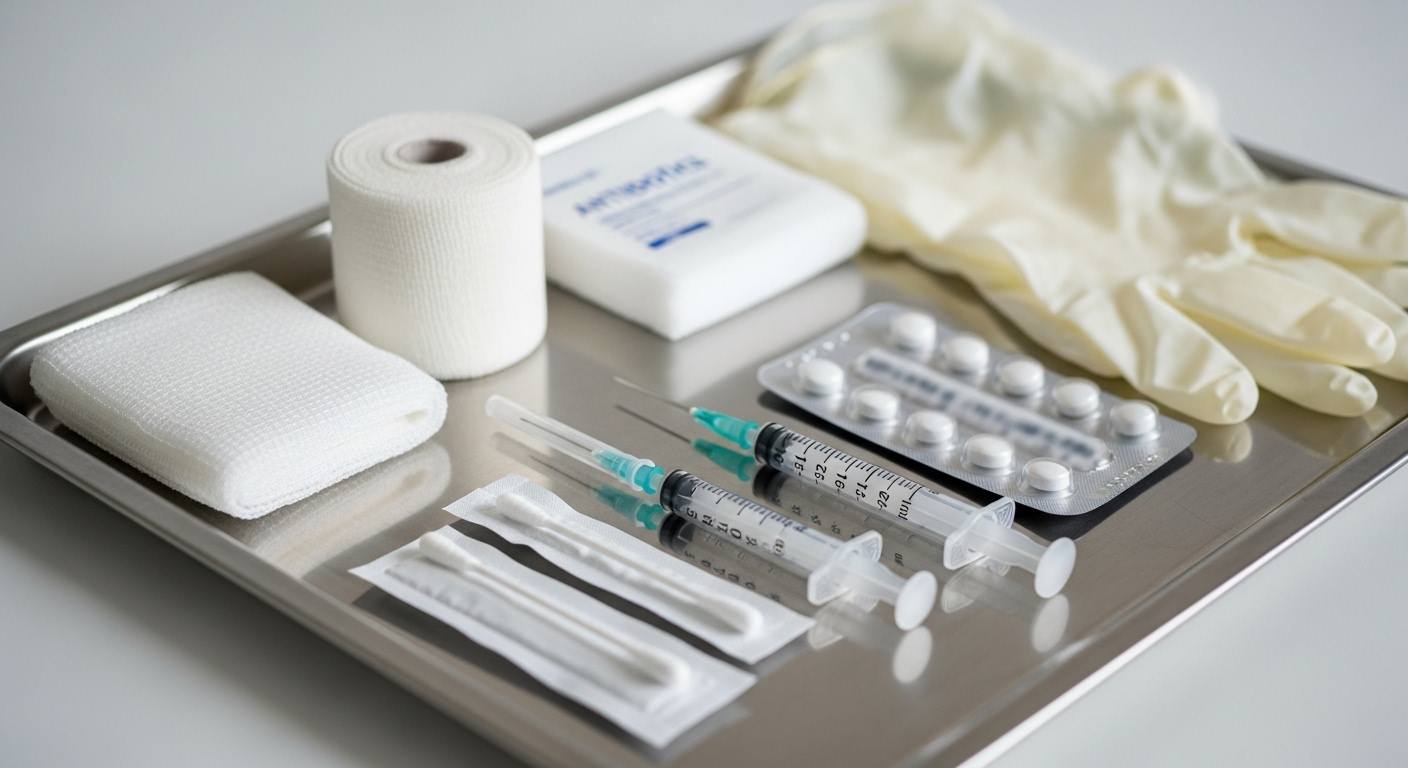
A doctor may recommend:
1. Antibiotics
To prevent or treat infection.
2. Tetanus Shot
If you haven’t had one in the last 5–10 years.
3. Rabies Post-Exposure Prophylaxis (PEP)
This includes:
-
Rabies immunoglobulin
-
A series of rabies vaccines
These must be given before symptoms appear.
4. Stitches or Surgery
Deep wounds, facial bites, or severe tissue damage may require stitches or reconstructive surgery.
Long-Term Effects of Dog Bites
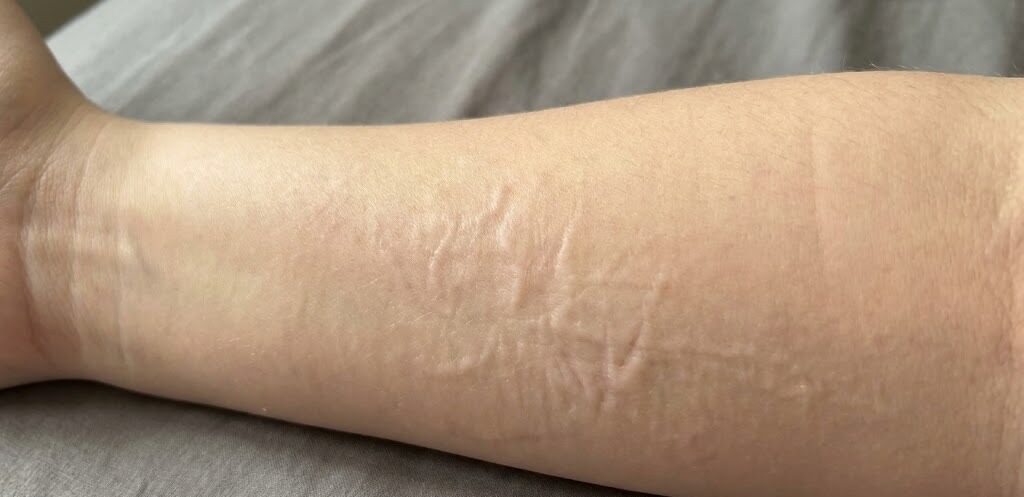
Dog bites can have lasting consequences beyond the initial injury.
Physical Effects
-
Permanent scarring
-
Nerve damage
-
Limited movement
-
Chronic pain
Psychological Effects
-
Fear of dogs
-
Anxiety or panic attacks
-
Post-traumatic stress (especially in children)
Children are particularly vulnerable to emotional trauma after dog bites.
What Happens Legally When a Dog Bites Someone?
Laws vary by country and region, but commonly:
-
The dog owner may be held responsible
-
Medical costs may need to be covered by the owner
-
The dog may be quarantined for rabies observation
-
Repeated incidents can lead to fines or restrictions
In serious cases, legal action may be taken.
Should a Dog Be Put Down After a Bite?
Not always.
A dog is usually:
-
Observed or quarantined
-
Evaluated by authorities or veterinarians
Euthanasia is typically considered only if:
-
The dog has rabies
-
The dog is extremely aggressive
-
There is repeated dangerous behavior
How to Prevent Dog Bites
Prevention is always better than treatment.
Tips for Adults
-
Avoid approaching unfamiliar dogs
-
Don’t disturb dogs while eating or sleeping
-
Watch body language (growling, stiff posture)
Tips for Children
-
Never pull ears or tails
-
Don’t hug dogs tightly
-
Always ask before petting
For Dog Owners
-
Vaccinate dogs regularly
-
Socialize and train properly
-
Supervise interactions with children
When Is a Dog Bite an Emergency?
Seek immediate medical help if:
-
Bleeding won’t stop
-
The bite is on the face, neck, or hands
-
Signs of infection appear
-
The dog may have rabies
-
The person bitten is a child or elderly
Final Thoughts: Never Ignore a Dog Bite
A dog bite is never something to ignore, even if it looks small. What happens after a dog bite depends largely on how quickly and correctly you act.
Prompt cleaning, medical care, and proper follow-up can prevent serious infections, long-term damage, and life-threatening diseases. At the same time, understanding why dog bites happen helps reduce fear and promotes safer interactions between humans and dogs.
Dog bites are preventable—but when they happen, knowledge can save lives.
Frequently Asked Questions-FAQs
1. What should I do immediately after a dog bite?
You should wash the wound under running water for at least 10–15 minutes using soap, apply an antiseptic, stop any bleeding, and seek medical attention—especially if the skin is broken or the dog’s vaccination status is unknown.
2. Can a small dog bite still be dangerous?
Yes. Even small dog bites can cause serious infections because bacteria from the dog’s mouth can enter deep into the skin through puncture wounds that may not look severe at first.
3. How long after a dog bite can infection start?
Infection from a dog bite can begin within 12 to 24 hours. Symptoms like redness, swelling, pain, warmth, or pus should never be ignored.
4. When is rabies treatment needed after a dog bite?
Rabies treatment is needed if the dog is unvaccinated, unknown, stray, or cannot be observed for 10 days. Rabies post-exposure treatment must be started before symptoms appear.
5. Should I see a doctor for every dog bite?
Yes, you should see a doctor if the bite breaks the skin, causes bleeding, swelling, pain, or if the bite is on the face, hands, or involves a child, elderly person, or someone with a weak immune system.