What Would Happen If the Human Brain Lost Memory?
Imagine Waking Up Without Any Memory
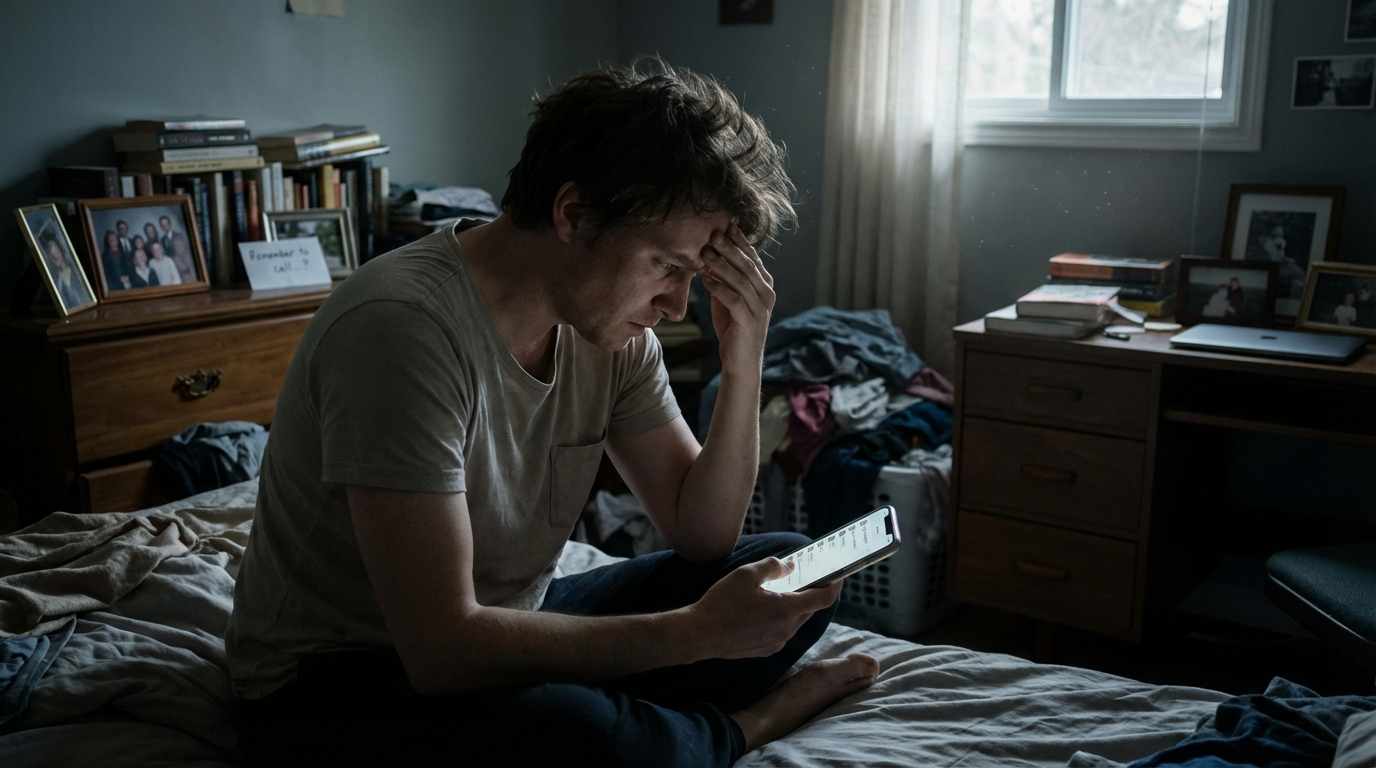
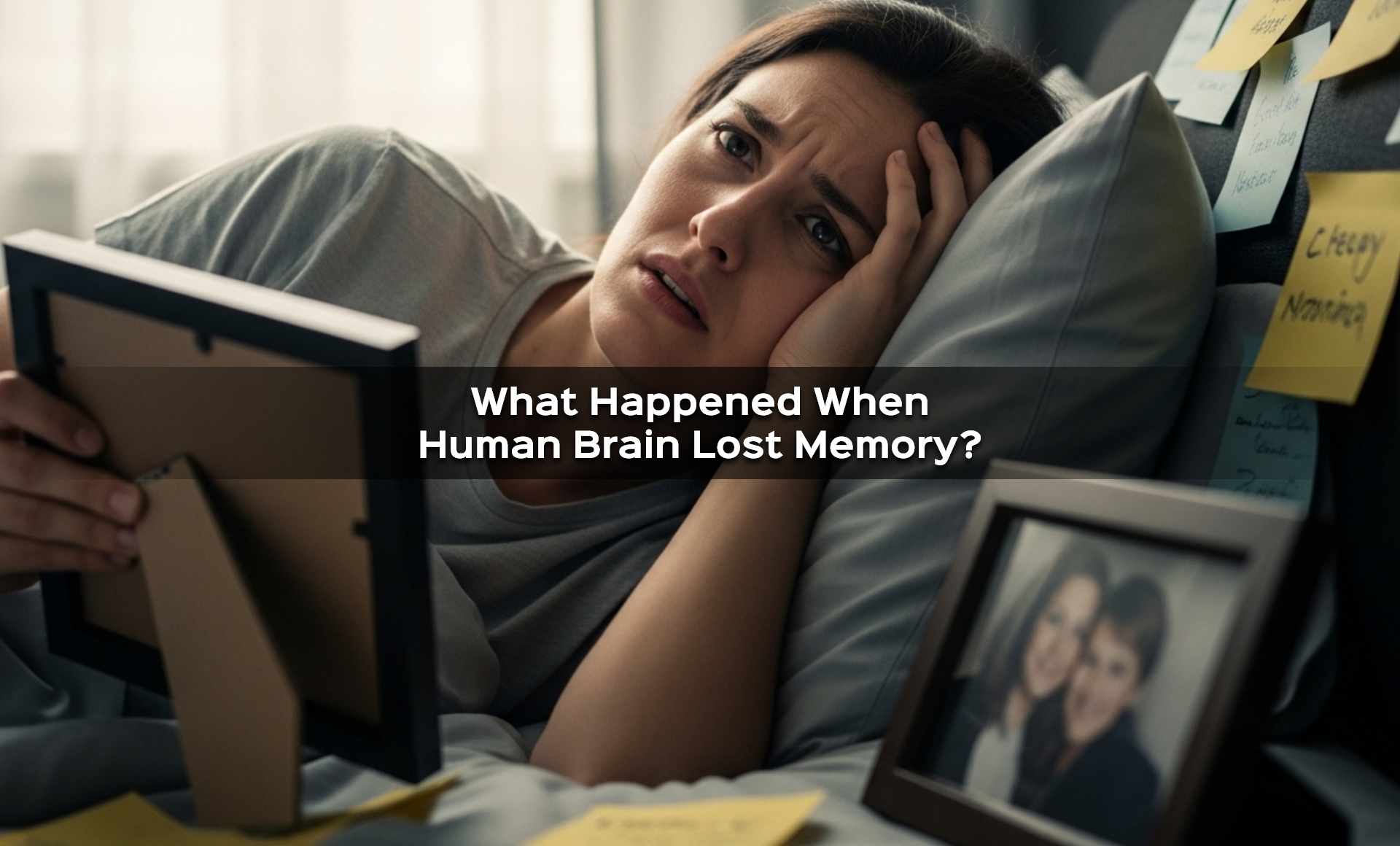
Imagine waking up one morning and opening your eyes.
You look around the room, but everything feels unfamiliar.
You don’t recognize the place.
>You don’t remember your name.
>You don’t remember your family, your job, or where you live.
Someone walks into the room and calls your name, but the name means nothing to you.
Even worse, you can’t remember anything that happened yesterday… or even a few minutes ago.
Every moment feels like the first moment.
This strange and frightening situation helps us understand an important question:
What would happen if the human brain suddenly lost its ability to store memories?
To answer that, we first need to understand what memory actually does for us.
Why Memory Is One of the Brain’s Most Important Functions
Memory is much more than simply remembering facts or past experiences.
It is the system that allows us to:
-
recognize people
-
learn new skills
-
remember language
-
understand our identity
-
make decisions based on past experiences
Without memory, the brain cannot build knowledge over time.
Your personality, relationships, and abilities are all shaped by memories. They are essentially the record of your life.
This is why scientists often say memory is the foundation of human identity.
When the brain loses memory, the consequences go far beyond simple forgetfulness.
The First Problem: Losing Your Personal Identity
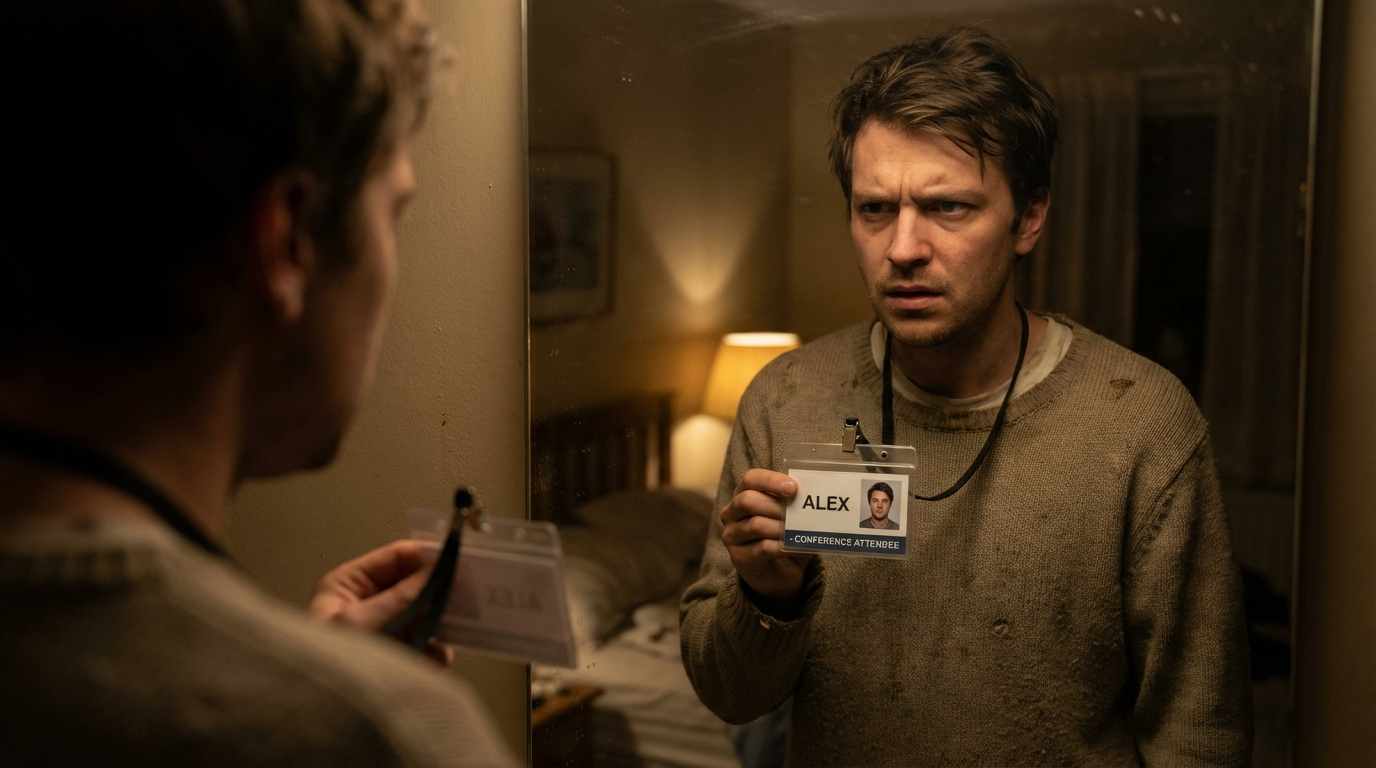
If the brain suddenly lost memory completely, one of the first things to disappear would be your sense of identity.
You would no longer remember:
-
your name
-
your family members
-
where you grew up
-
your career
-
your life experiences
All the memories that shaped who you are would vanish.
From your perspective, the world would feel unfamiliar and confusing. People who love you would suddenly become strangers.
This condition resembles severe cases of Amnesia, where individuals lose the ability to recall past experiences.
Without memory, the brain cannot maintain a stable sense of self.
Learning Would Become Nearly Impossible

Imagine trying to learn something new when you cannot remember anything.
You might try to read a book, but every sentence would feel like the first time you’ve seen it.
You could meet someone, but moments later you would forget that the meeting ever happened.
Even simple tasks like cooking, driving, or using a phone depend heavily on memory.
Without memory:
-
skills cannot improve
-
knowledge cannot accumulate
-
experience cannot guide decisions
Your brain would be stuck in a constant “first-time experience” state.
Life would become incredibly difficult to navigate.
Relationships Would Break Down
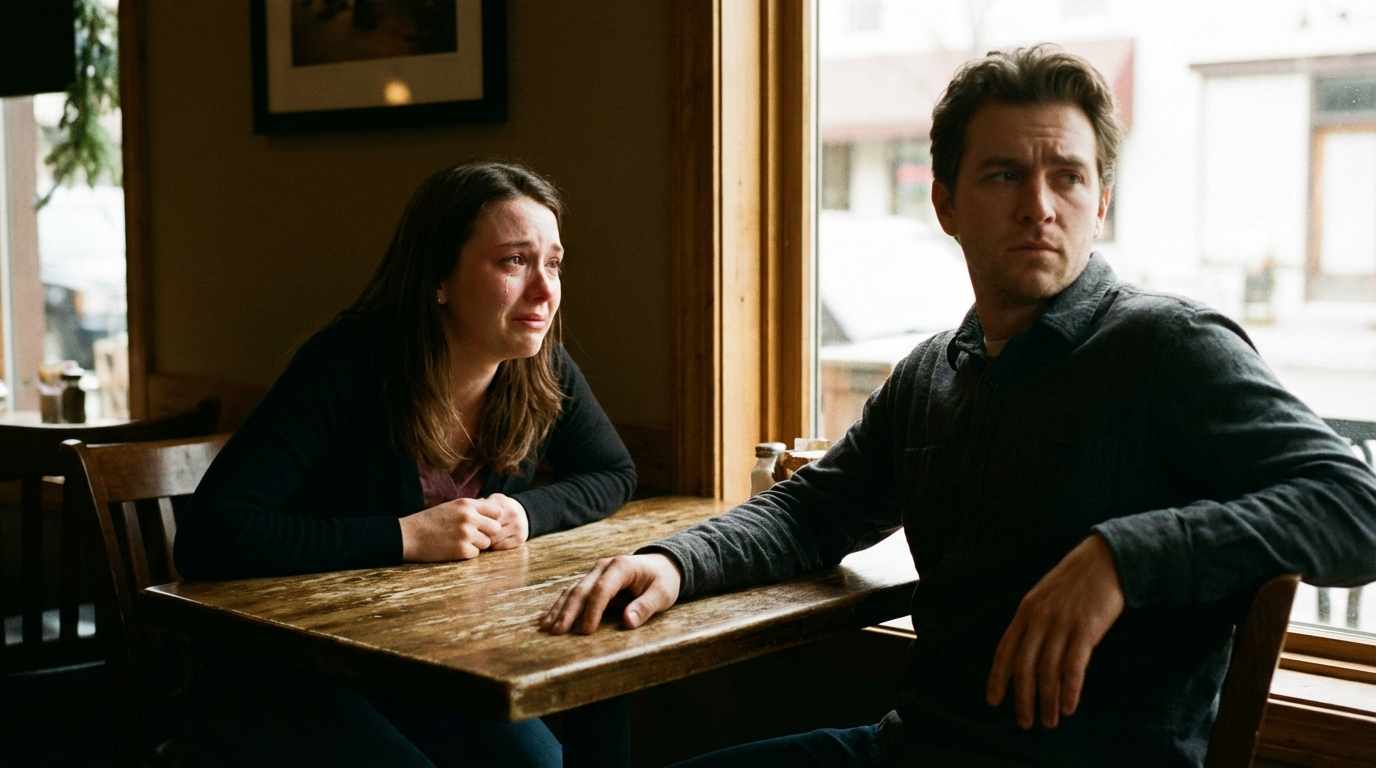
Human relationships rely heavily on shared memories.
Think about friendships and family bonds. They are built from:
-
shared experiences
-
conversations
-
emotional moments
-
trust built over time
If you lost memory, you would forget those experiences.
You might meet your closest friend and not recognize them.
Your parents might feel like strangers.
Even emotional connections could fade because emotional memories are stored in specific brain regions like the Hippocampus, which plays a key role in forming new memories.
Without this system, maintaining relationships would become extremely difficult.
Daily Life Would Become Confusing

Memory is essential for everyday functioning.
Think about how many things you do automatically:
-
brushing your teeth
-
unlocking your phone
-
navigating your neighborhood
-
remembering where you left your keys
Without memory, even these simple actions could become confusing.
You might repeatedly ask the same questions because you cannot remember the answers.
You might get lost in places you have visited hundreds of times.
The brain would struggle to build routines because routines depend on remembering past actions.
Emotional Effects of Losing Memory

Memory is closely connected to emotions.
Happy memories help shape our mood and personality. Sad experiences teach us caution and resilience.
Without memory:
-
emotional learning disappears
-
past mistakes cannot guide future decisions
-
personal growth becomes limited
People with severe memory loss sometimes feel constant confusion and anxiety because they cannot understand why things are happening around them.
The brain uses memory to make sense of the world.
Without it, reality can feel disorienting.
Can the Brain Function Without Memory at All?

Interestingly, the brain contains different types of memory.
These include:
-
short-term memory
-
long-term memory
-
procedural memory (skills like walking or riding a bike)
Even when long-term memory is damaged, some procedural memories may still work.
This is why some patients with severe memory disorders can still perform familiar actions like playing piano or riding a bicycle.
However, without the ability to create new memories, life becomes extremely limited.
Each day would feel disconnected from the previous one.
Real Conditions That Affect Memory

While total memory loss is rare, several medical conditions can damage memory systems.
One of the most well-known is Alzheimer’s disease.
This condition slowly destroys memory and cognitive abilities over time.
People with Alzheimer’s often experience:
-
difficulty remembering recent events
-
confusion about time and place
-
trouble recognizing familiar faces
Another example is severe Amnesia, which can occur after brain injury or trauma.
These conditions show how deeply memory is connected to our daily lives.
The Brain Regions Responsible for Memory
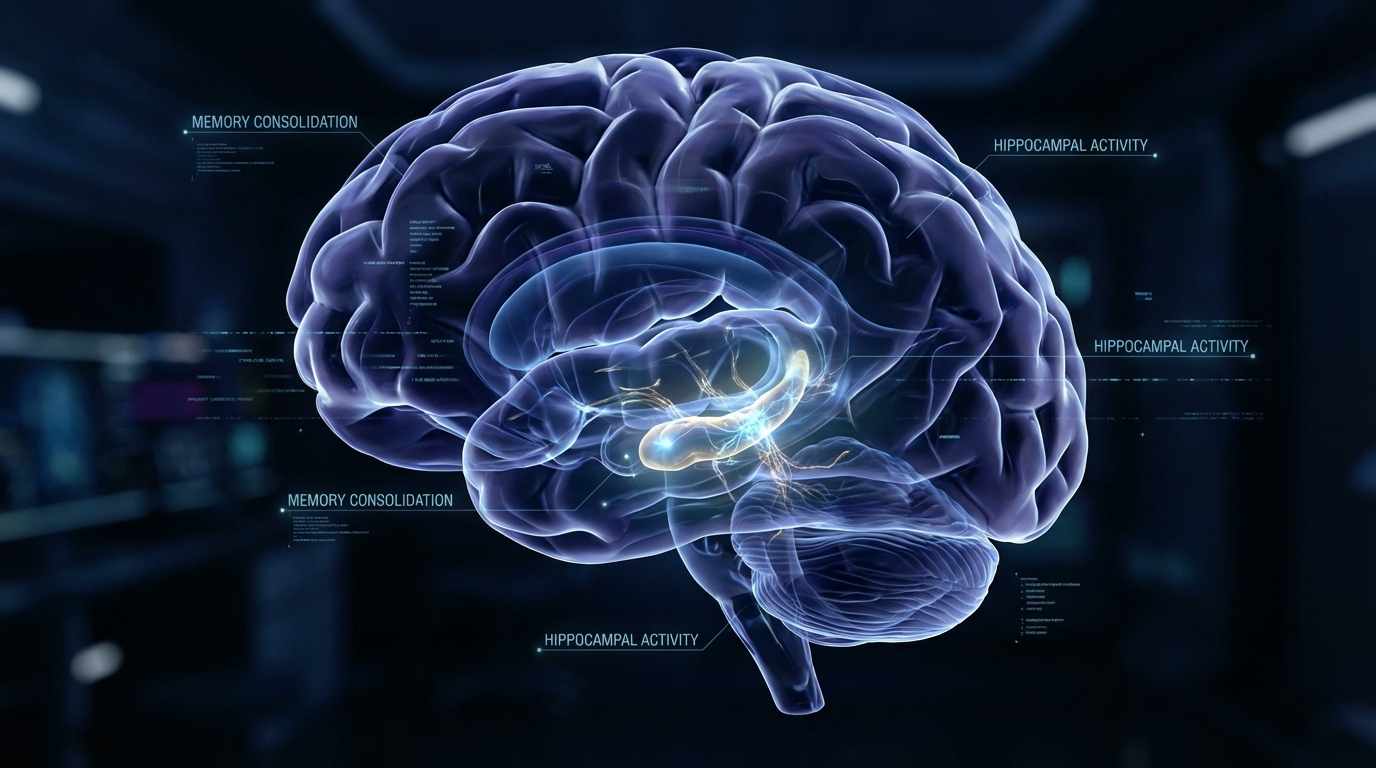
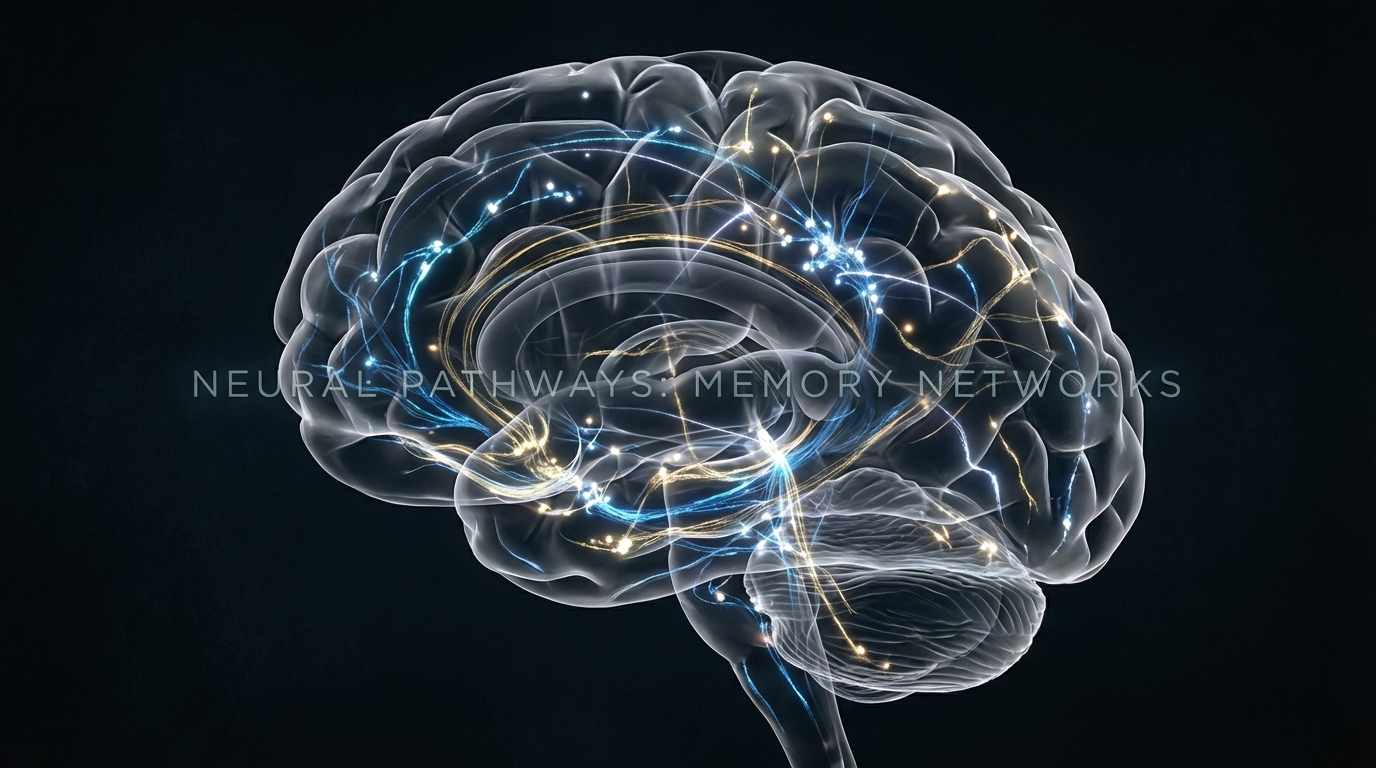
Memory is not stored in a single location inside the brain.
Instead, it involves several interconnected regions.
One of the most important is the Hippocampus, which helps convert short-term memories into long-term memories.
Other areas, such as the cerebral cortex, help store and retrieve information.
When these areas are damaged, the brain can lose its ability to create or recall memories.
This explains why brain injuries sometimes lead to severe memory problems.
Why Memory Is Essential for Human Survival

Memory is not just about remembering birthdays or school lessons.
It helps humans survive.
Memory allows us to:
-
avoid dangerous situations
-
remember important skills
-
learn from past mistakes
-
plan for the future
Without memory, humans would struggle to adapt to their environment.
Our ability to learn from experience is one of the reasons our species has been so successful.
Memory is the system that stores those experiences.
What Life Without Memory Would Really Feel Like
If the brain lost memory completely, life would feel like living inside an endless present moment.
Every conversation would feel new.
Every place would feel unfamiliar.
Every day would begin without any understanding of what came before.
While the body could still function, the continuity of life—the story that connects one day to the next—would disappear.
In many ways, memory is what turns moments into a life story.
Without it, that story would be impossible to remember.
Frequently Asked Questions-FAQs
1. What would happen if humans lost all memory?
People would lose their sense of identity, relationships, and learned knowledge, making everyday life extremely difficult.
2. Can the brain recover lost memory?
Sometimes memory can partially return, especially after temporary brain injuries. However, severe damage can cause permanent loss.
3. Which part of the brain controls memory?
The Hippocampus plays a key role in forming and organizing memories.
4. What disease causes severe memory loss?
One of the most common conditions is Alzheimer’s disease.
5. Can people with memory loss still learn?
In many cases, learning new information becomes very difficult because memory formation is impaired.
Final Thoughts
Memory is one of the most powerful systems inside the human brain.
It shapes our identity, guides our decisions, and connects our past to our present.
Without it, life would become confusing and fragmented.
The experiences that define who we are would vanish, leaving us trapped in a world where every moment feels new—but nothing ever lasts.
In other words, memory is not just a mental ability.
It is the thread that holds the story of our lives together.