
What Happened When the Human Body Lost Its Bones?
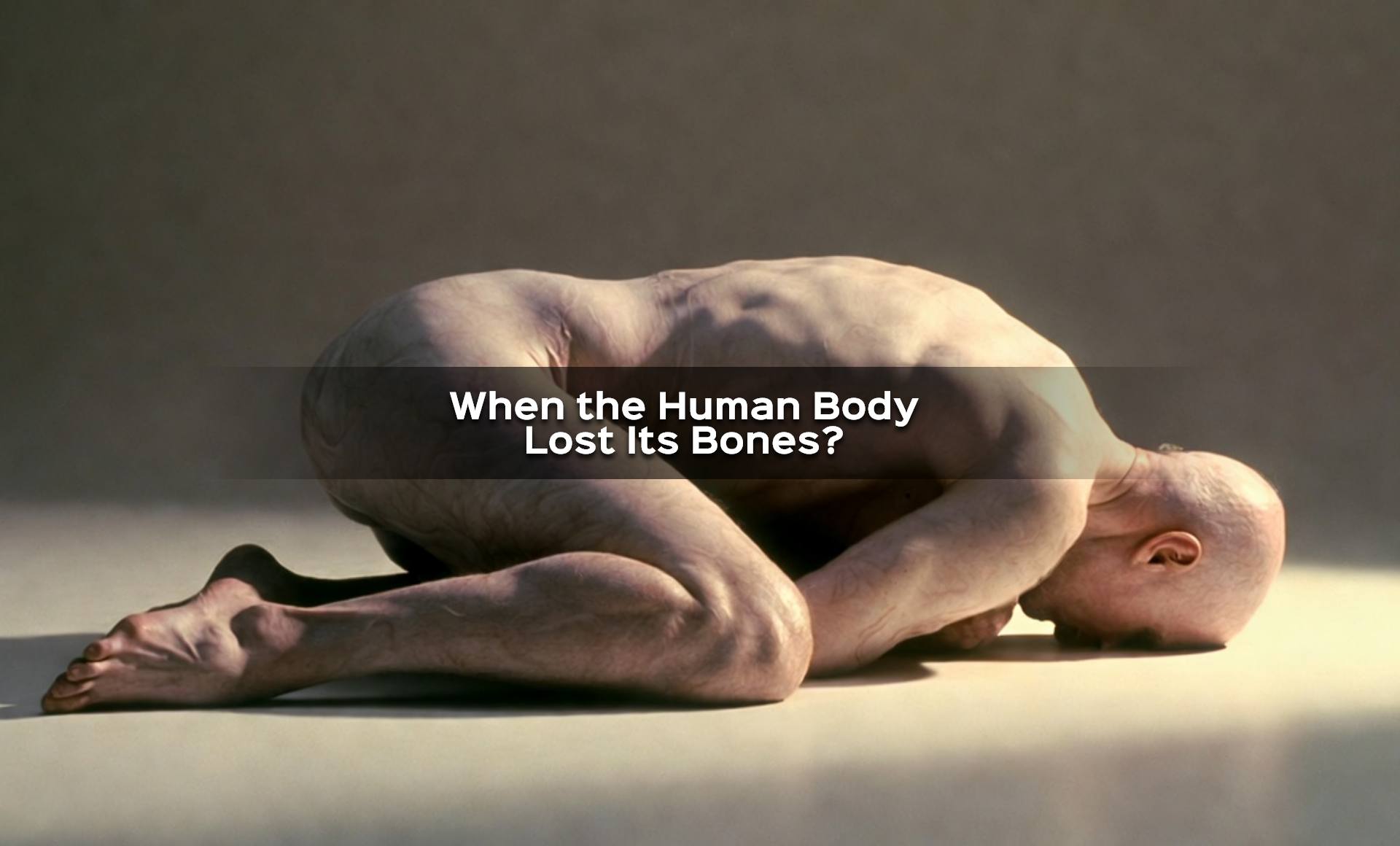
Imagine standing up… and instantly collapsing into a shapeless heap.
No strength.
No posture.
No ability to move.
Now imagine that happening to every human on Earth at the same time.
Bones are so normal to us that we never question them—until we imagine life without them. But if the human body suddenly lost all its bones, this wouldn’t be a science-fiction superpower or a painless transformation. It would be one of the most horrifying biological failures imaginable.
This article explores what happened when the human body lost its bones, step by step, using real human biology—no fantasy, no exaggeration—just uncomfortable truth.
What Do Bones Actually Do in the Human Body?
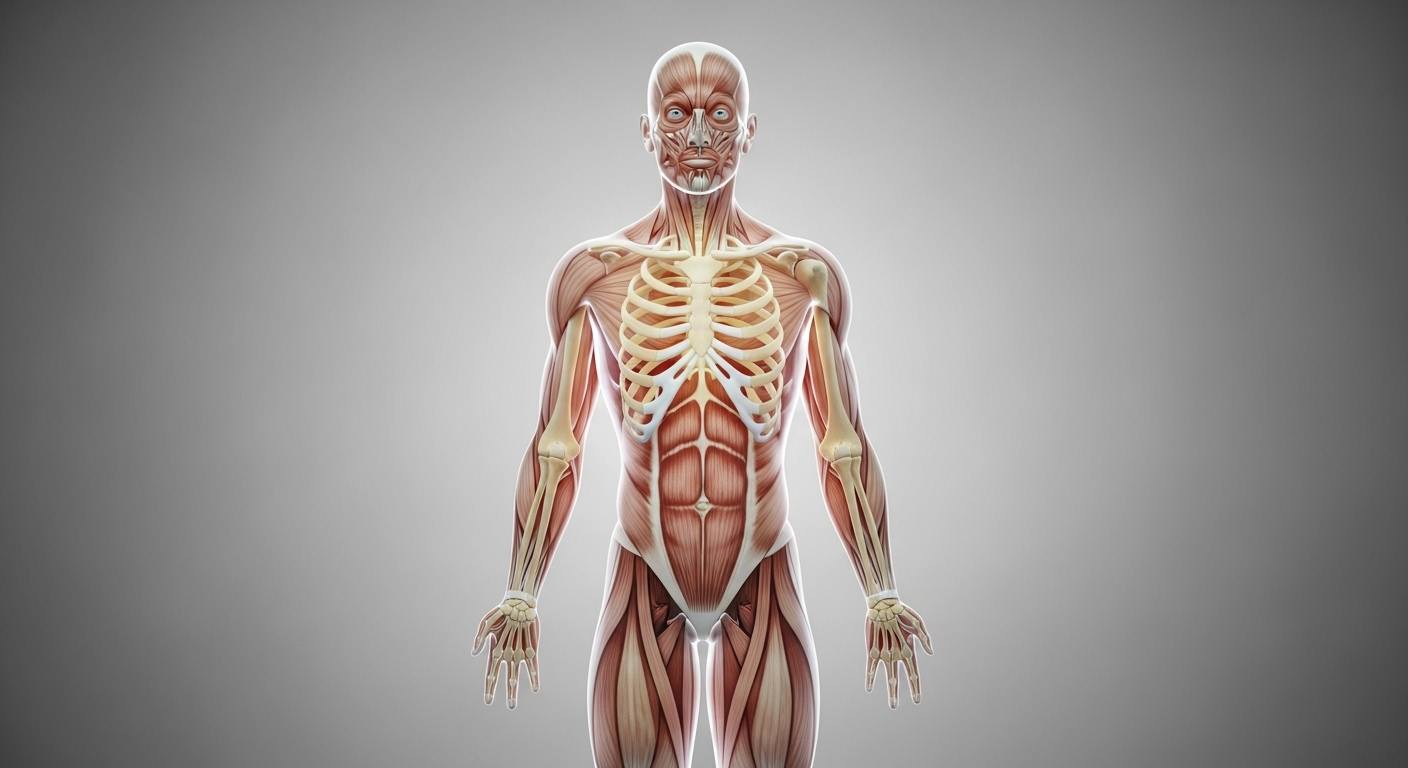
Most people think bones only do one thing: hold us upright.
In reality, bones are doing far more—every second of your life.
Bones are responsible for:
-
Giving the body structure and shape
-
Allowing movement by anchoring muscles
-
Protecting vital organs like the brain, heart, and lungs
-
Producing blood cells inside bone marrow
-
Storing minerals like calcium and phosphorus
Without bones, the human body loses structure, protection, movement, blood production, and internal balance—all at once.
The First Seconds After Bones Disappear

If bones vanished instantly, the effect would be immediate and terrifying.
Total Structural Collapse
Bones act like a building’s steel frame. Remove them, and the structure doesn’t “lean”—it falls.
-
The spine disappears → the body folds inward
-
Legs lose rigidity → standing becomes impossible
-
Arms lose support → movement stops
Every human would collapse to the ground within seconds, unable to sit, stand, or even hold their head up.
What Happens to Muscles Without Bones?
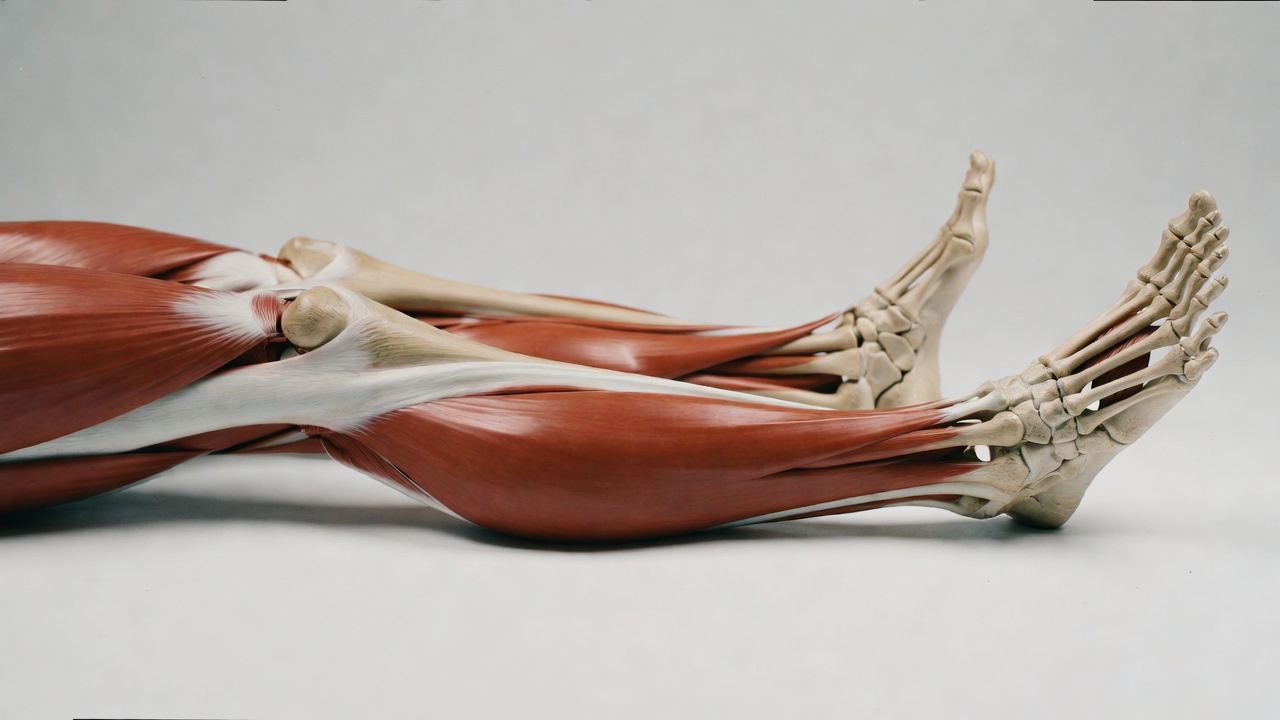
Muscles don’t move on their own.
They work by pulling on bones. When bones disappear, muscles still contract—but they have nothing to pull against.
The result:
-
Muscles twitch uselessly
-
No controlled movement is possible
-
Limbs become soft, unstable masses
Your body would feel like a heavy, uncoordinated sack of tissue.
The Face and Head: Immediate Catastrophe
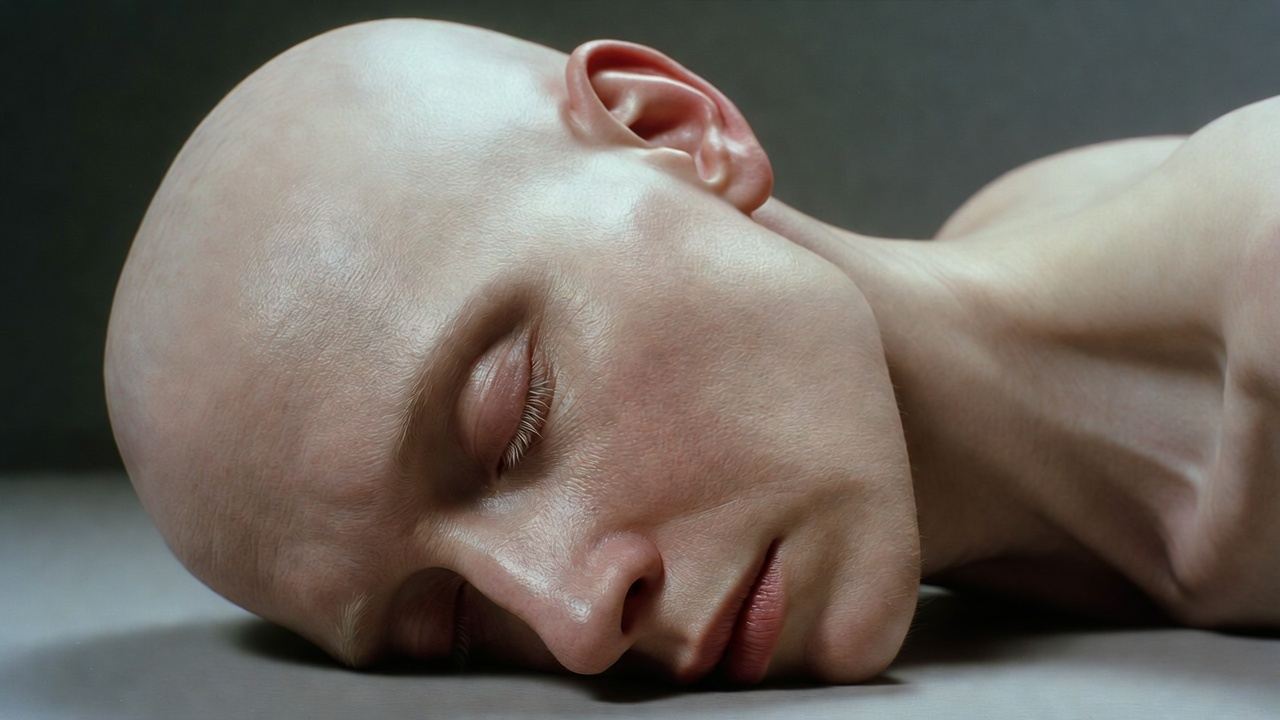
One of the most disturbing effects would be what happens to the head and face.
Without the skull:
-
The brain loses its rigid protection
-
Facial structure collapses
-
Eyes lose proper alignment
-
Jaw structure disappears
The brain would be held only by soft tissue and skin—extremely vulnerable to pressure and deformation. Consciousness might last briefly, but severe neurological damage would begin almost immediately.
Breathing Becomes Nearly Impossible
Breathing depends on the rib cage.
Without ribs:
-
The lungs lose their protective enclosure
-
The chest cannot expand properly
-
Airflow becomes shallow and inefficient
People would struggle to breathe within minutes. Oxygen levels would drop rapidly, leading to dizziness, confusion, and loss of consciousness.
The Heart and Internal Organs Are Left Exposed
Bones don’t just hold us up—they protect what keeps us alive.
Without bones:
-
The heart loses its protective cage
-
Lungs collapse under pressure
-
Liver, kidneys, and intestines shift unnaturally
Organs would sag and compress each other. Internal blood flow would become chaotic. Shock would begin quickly.
Blood Production Stops Completely
This is a lesser-known but deadly consequence.
Bones contain bone marrow, which produces:
-
Red blood cells (oxygen transport)
-
White blood cells (immune defense)
-
Platelets (blood clotting)
Without bones:
-
No new blood cells can be produced
-
Oxygen delivery fails
-
Immune system collapses
Even if someone somehow survived the initial collapse, death would be inevitable within days due to blood failure alone.
The Nervous System Goes Into Crisis
The nervous system relies on bones for:
-
Protection (skull and spine)
-
Stability for nerve signaling
Without the spine:
-
Spinal cord becomes unstable
-
Nerve signals become disrupted
-
Paralysis occurs rapidly
Loss of sensation, loss of control, and neurological shutdown would follow.
Could Humans Survive Without Bones?
The honest answer: No.
Unlike some animals (like jellyfish or worms), humans are biologically dependent on an internal skeleton.
Without bones:
-
Movement is impossible
-
Breathing fails
-
Circulation collapses
-
Blood production stops
-
Organs fail
Death would occur within minutes to hours for most people.
Why Soft-Bodied Animals Can Survive (But Humans Can’t)
Some animals survive without bones because they evolved that way.
Humans did not.
Soft-bodied animals:
-
Have hydrostatic structures
-
Distribute pressure evenly
-
Are designed for flexibility
Humans are built around a rigid internal frame. Remove it, and the entire system fails.
Psychological Horror: Conscious but Helpless
One of the most terrifying aspects isn’t just physical—it’s mental.
For a brief time, some people might remain conscious:
-
Unable to move
-
Unable to speak clearly
-
Unable to breathe deeply
Awareness trapped inside a collapsing body would create intense panic before consciousness fades.
Final Thought: Bones Are the Silent Foundation of Life
Bones don’t think.
They don’t move on their own.
They don’t feel.
And yet, without them, human life collapses instantly.
If the human body lost its bones, it wouldn’t adapt.
It wouldn’t evolve.
It wouldn’t survive.
It would simply fall apart—quietly, completely, and without mercy.
Bones are not just part of us.
They are the reason we are human at all.
Frequently Asked Questions (FAQs)
1. Would a human die instantly if they lost all bones?
Not instantly, but death would occur very quickly—likely within minutes to hours—due to breathing failure, organ collapse, and loss of blood circulation.
2. Could muscles replace bones if bones disappeared?
No. Muscles require bones to function. Without bones, muscles cannot create controlled movement or provide structure.
3. Would the brain survive without a skull?
Only briefly. Without the skull’s protection, the brain would be damaged by pressure and deformation, leading to rapid loss of consciousness.
4. Why can animals like jellyfish live without bones?
They evolved as soft-bodied organisms. Humans evolved around an internal skeleton and cannot function without it.
5. Is it biologically possible for humans to ever exist without bones?
No. Human anatomy, movement, circulation, and survival are all fundamentally dependent on bones.