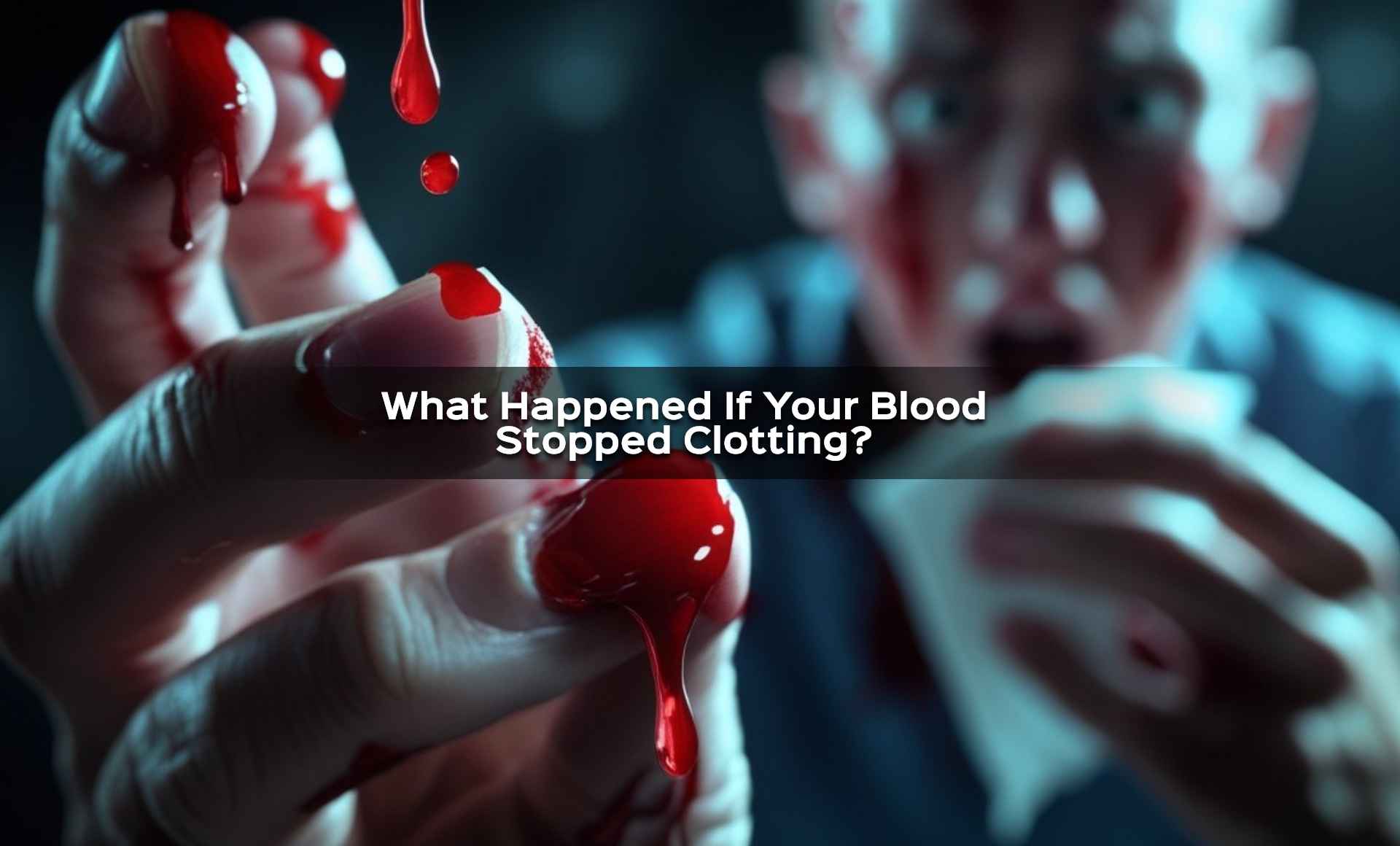
What Happened If Your Blood Stopped Clotting?
Imagine a World Where Your Blood Never Stops Bleeding
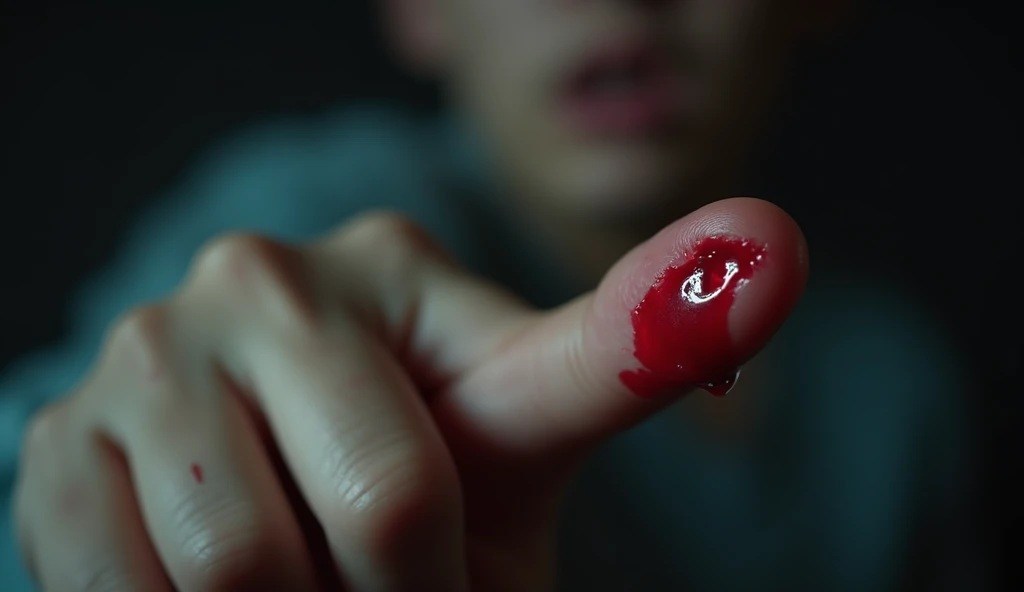
Imagine getting a small paper cut.
Normally, you would barely notice it. Within minutes, the bleeding slows down. Soon a thin layer forms over the wound, and your body begins repairing itself.
But now imagine something different.
The cut keeps bleeding.
Five minutes pass.
Ten minutes pass.
Still bleeding.
You press on it harder, wrap it in tissue, but nothing changes. The blood continues to flow as if your body has forgotten how to stop it.
This is exactly what could happen if your blood lost the ability to clot.
Blood clotting is one of the most important survival mechanisms inside the human body. Without it, even a tiny injury could become life-threatening.
So what would actually happen if your blood stopped clotting?
Let’s explore the frightening chain of events that could follow.
Why Blood Clotting Is Essential for Survival
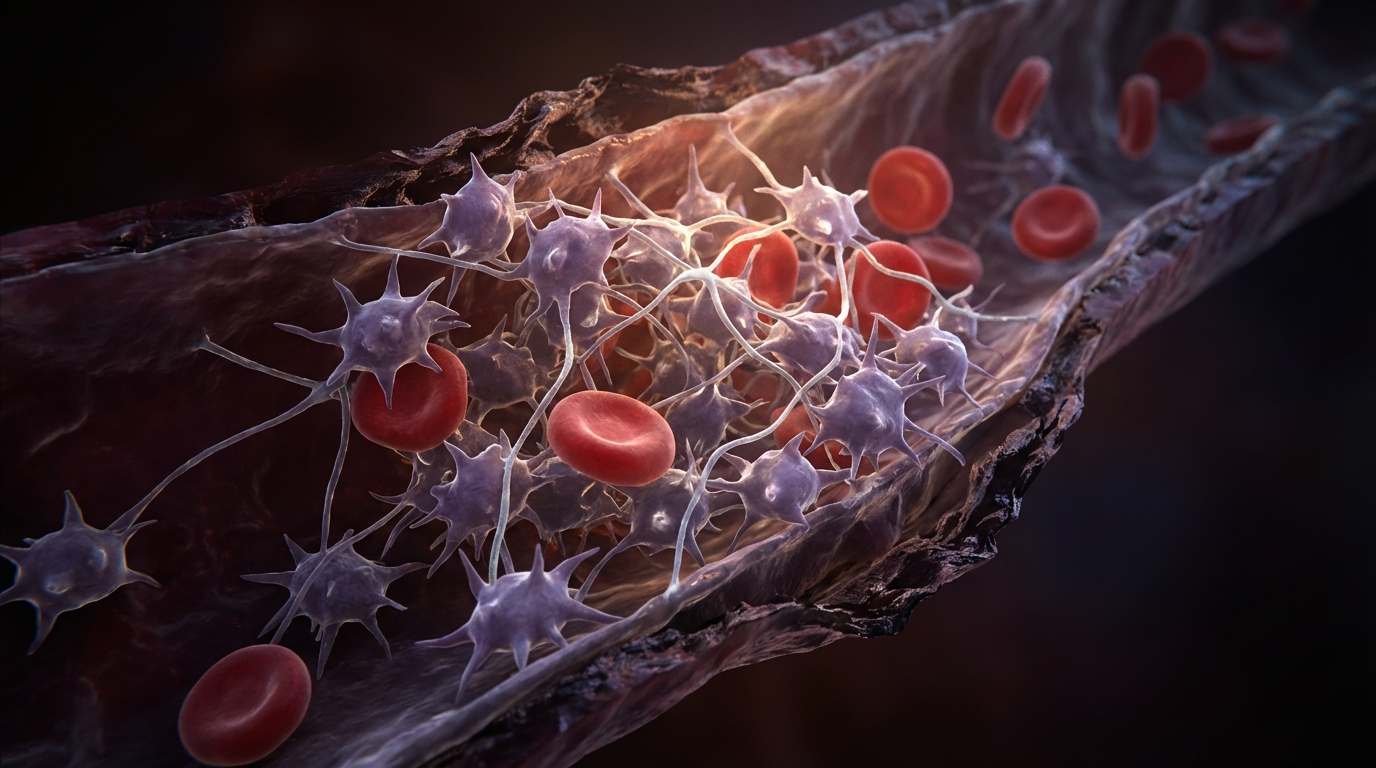
Every time you get injured, your body launches an emergency repair process.
The moment a blood vessel is damaged, several things happen almost instantly:
-
Blood vessels tighten to slow blood flow.
-
Platelets rush to the injury site.
-
Special proteins create a sticky web called fibrin.
-
A clot forms to seal the wound.
This process usually takes only a few minutes.
Once the clot forms, bleeding stops and healing begins.
But if this system fails, the body loses its natural ability to control bleeding.
And that’s when things become dangerous.
The First Problem: Even Small Cuts Become Serious
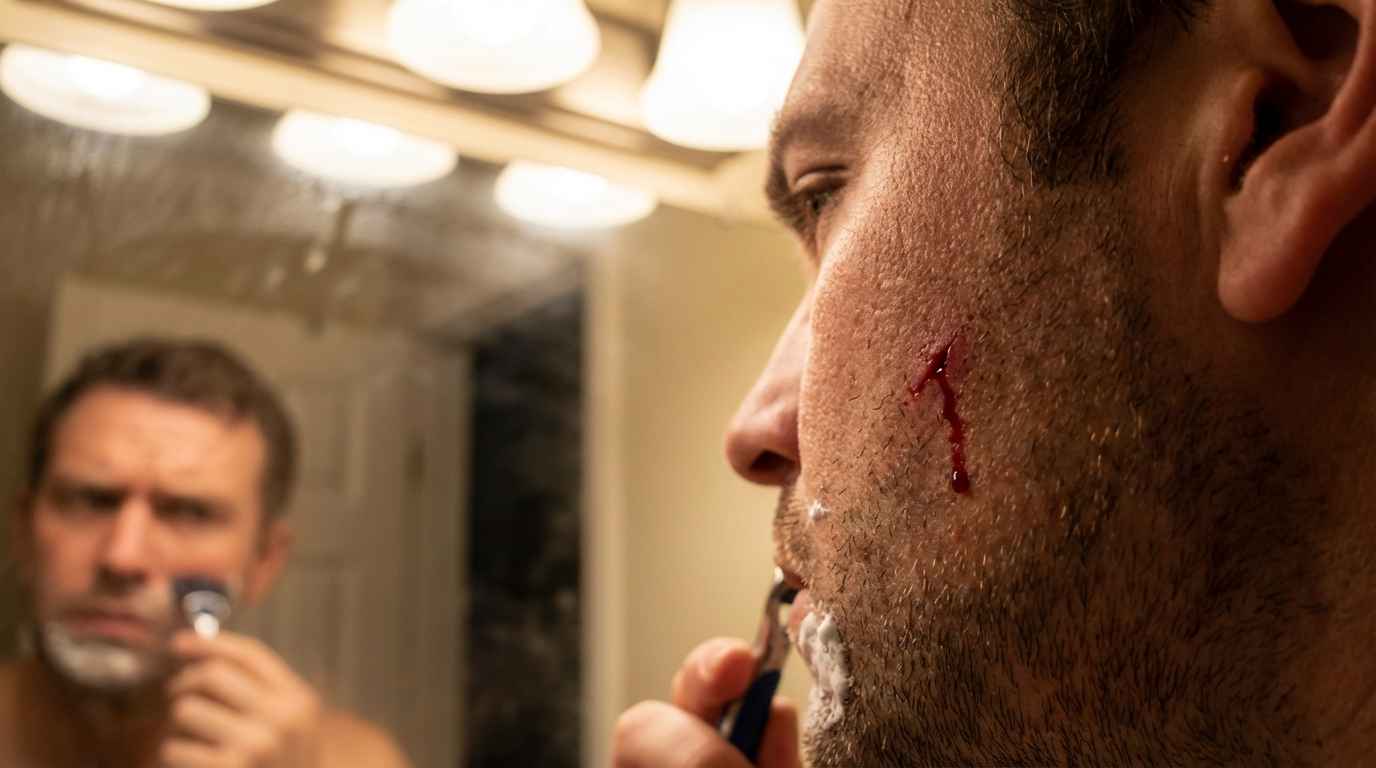
If blood could not clot, everyday injuries would become dangerous.
Think about how many tiny injuries happen every day:
-
shaving cuts
-
paper cuts
-
small scratches
-
nosebleeds
-
dental bleeding
Normally, these injuries stop bleeding quickly.
Without clotting, they would continue bleeding indefinitely.
Even something as minor as brushing your teeth could cause continuous bleeding from the gums.
Over time, this blood loss could become severe.
Internal Bleeding Becomes a Major Threat
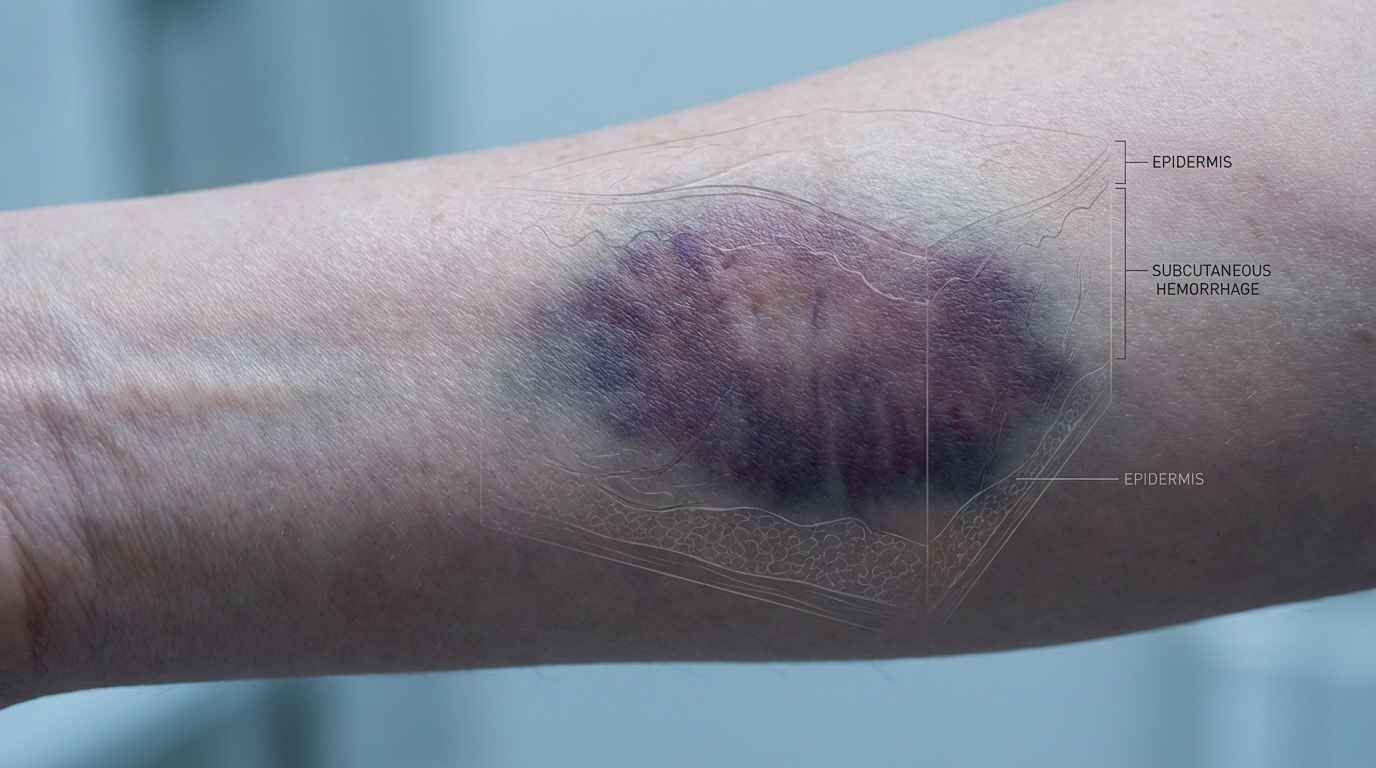
The biggest danger would not be external injuries.
It would be internal bleeding.
Our bodies experience small internal injuries all the time. Normally they heal automatically without us noticing.
But without clotting:
-
small blood vessel damage could leak continuously
-
organs could slowly bleed internally
-
bruises could grow uncontrollably
A simple bump into a table might cause deep internal bleeding.
This is extremely dangerous because internal bleeding is often invisible.
By the time symptoms appear, the situation could already be critical.
Surgery Would Become Nearly Impossible
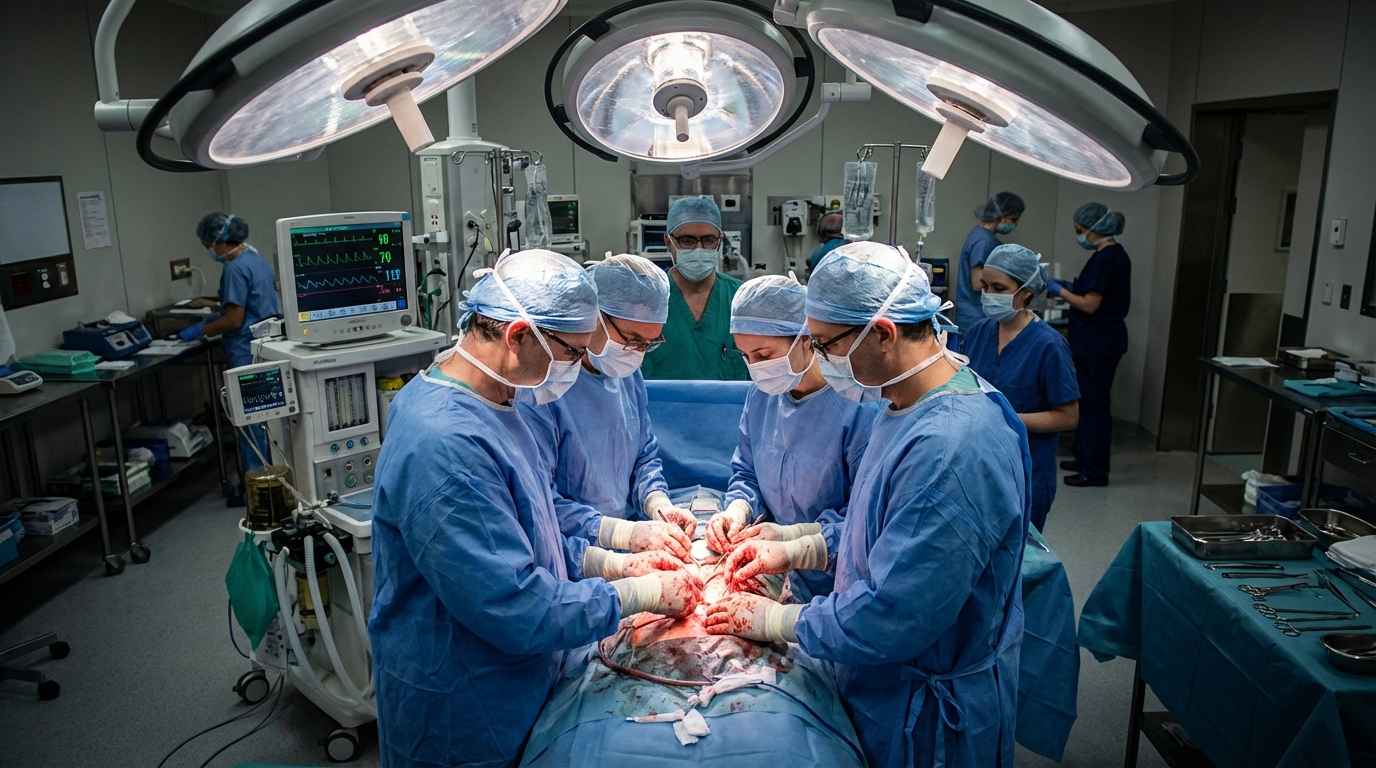
Modern medicine relies heavily on the body’s ability to clot blood.
During surgery, doctors control bleeding carefully. But they also depend on the patient’s clotting system to help seal small blood vessels.
If blood could not clot:
-
surgeries would become extremely risky
-
even simple procedures could cause severe blood loss
-
recovery would be very difficult
Many routine medical treatments would become impossible.
Something as simple as removing a tooth could turn into a life-threatening situation.
The Body Would Lose Its Self-Repair System
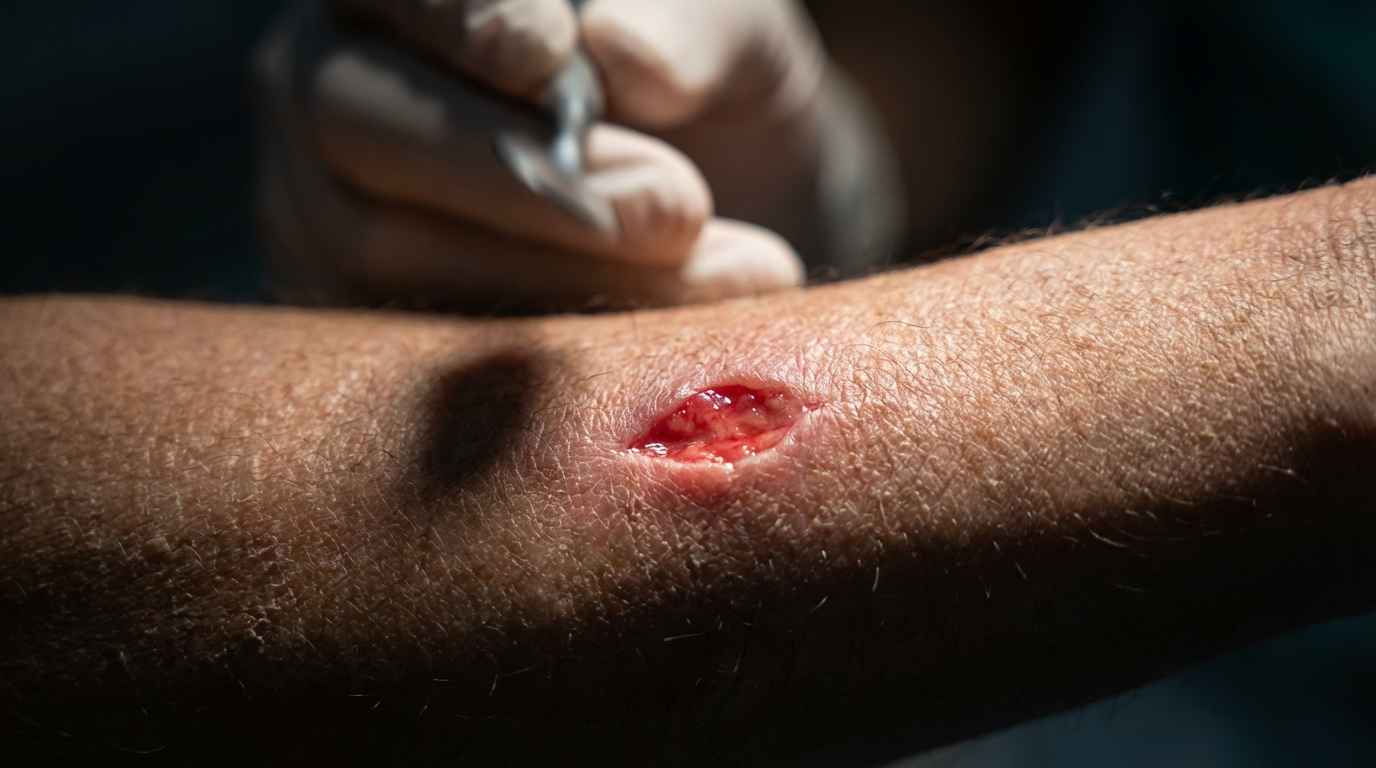
Blood clotting is more than just stopping bleeding.
It also triggers the healing process.
Once a clot forms:
-
immune cells begin cleaning damaged tissue
-
new cells start rebuilding the area
-
the wound gradually closes
Without clotting, this entire repair system fails.
Wounds would stay open longer.
Healing would slow dramatically.
And infections would become more likely.
Your body would struggle to recover from even minor injuries.
Extreme Blood Loss Could Happen Quickly
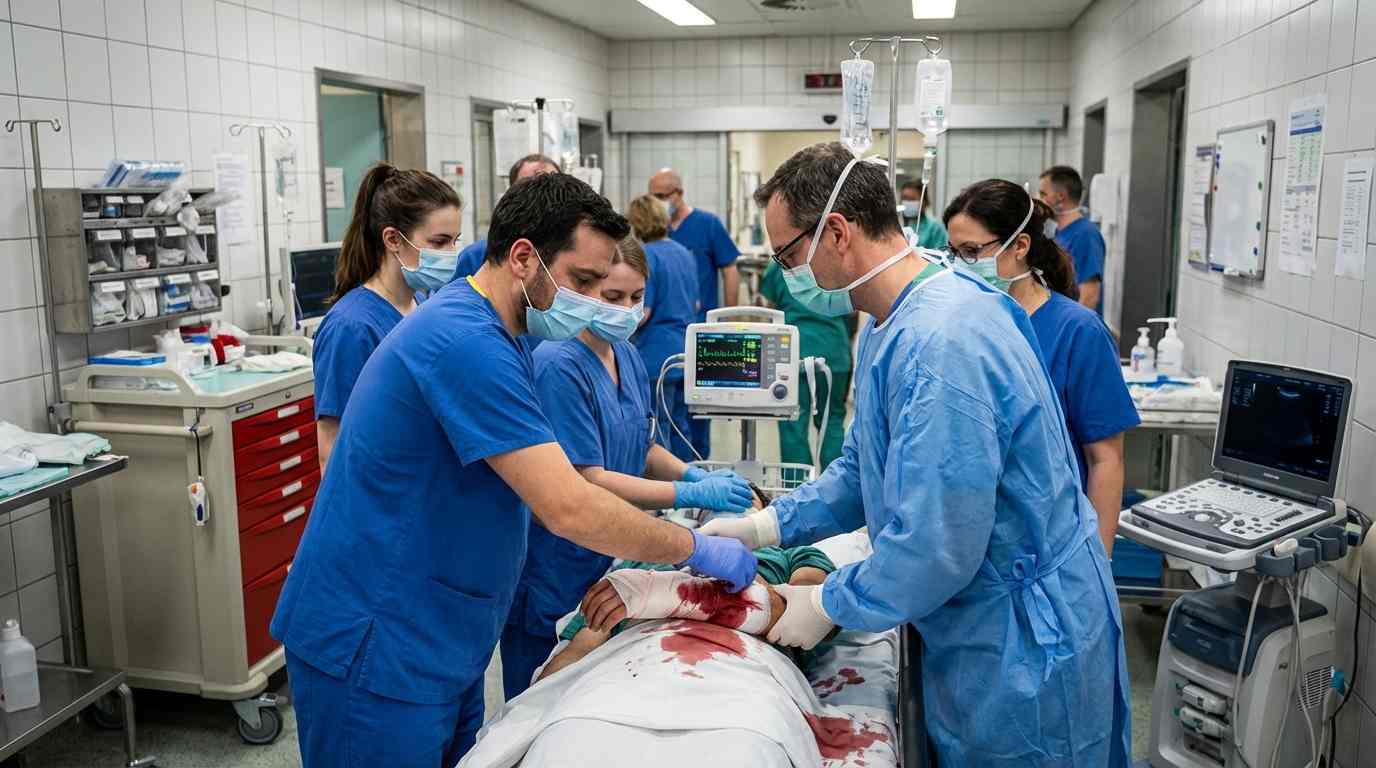
One of the biggest dangers of losing clotting ability is uncontrolled bleeding.
The human body contains roughly 5 liters of blood.
Losing even one liter can cause serious symptoms such as:
-
dizziness
-
weakness
-
rapid heartbeat
-
confusion
If bleeding continues without stopping, a person can go into hemorrhagic shock.
This happens when the body no longer has enough blood to supply oxygen to vital organs.
Without immediate medical help, this condition can be fatal.
Real Conditions That Affect Blood Clotting
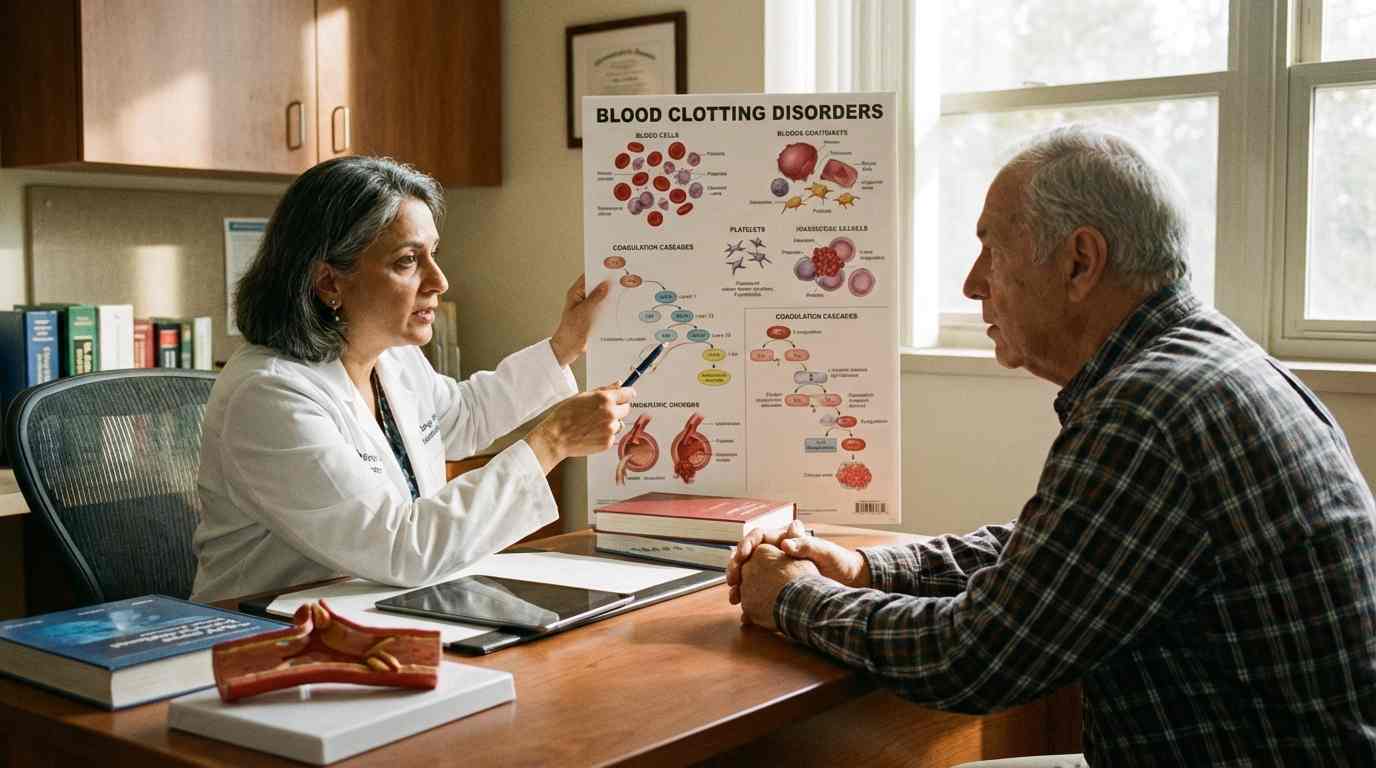
While total loss of clotting is rare, some real medical conditions can weaken the body’s clotting ability.
One well-known example is Hemophilia.
People with hemophilia lack certain clotting proteins, which makes it harder for their blood to clot.
As a result:
-
bleeding lasts longer
-
bruises appear easily
-
internal bleeding can occur after injuries
Another condition is Von Willebrand Disease, which also affects the clotting process.
Fortunately, modern medicine can help manage these disorders.
But without treatment, they can be very dangerous.
Could Humans Survive Without Blood Clotting?
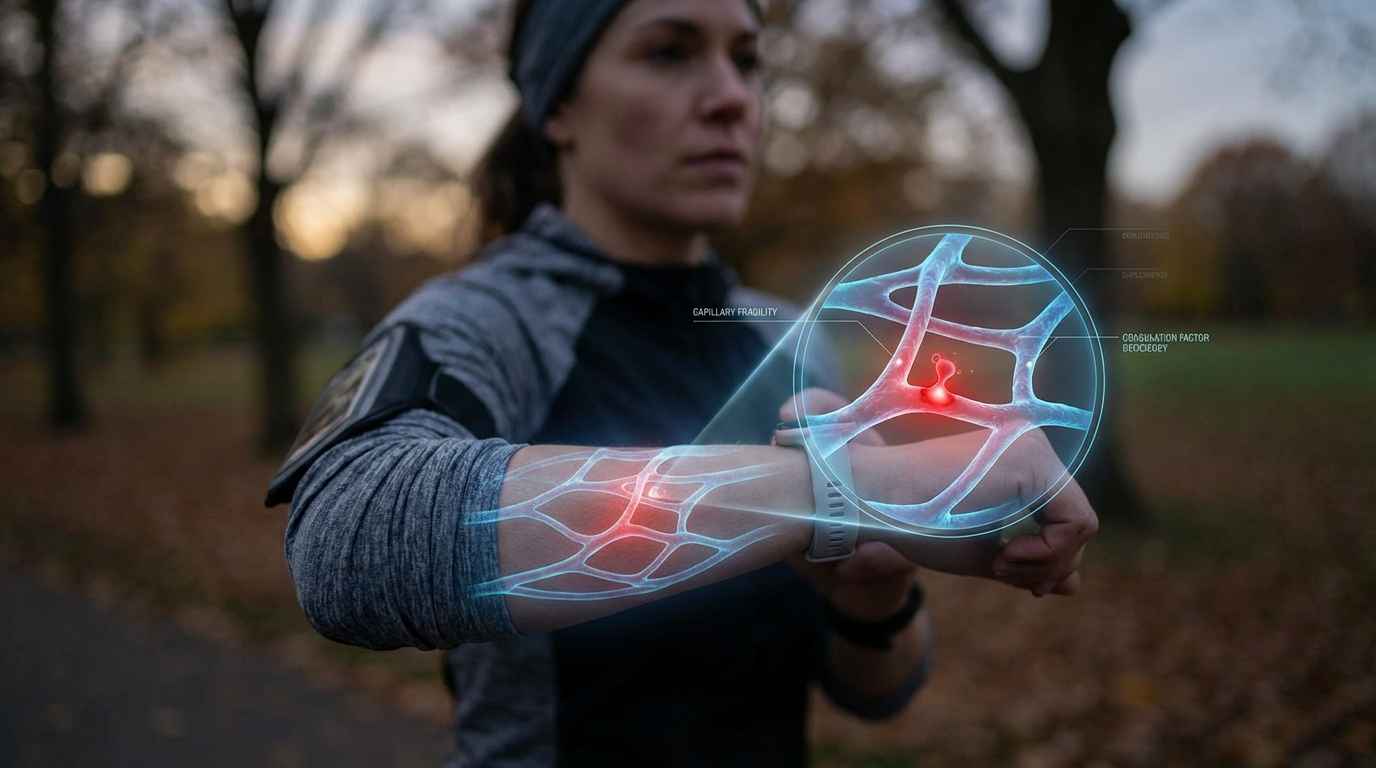
In reality, surviving without any clotting ability would be extremely difficult.
Everyday life involves small injuries constantly.
Walking, exercising, or even sleeping can cause tiny blood vessel damage that normally repairs itself instantly.
Without clotting, these small injuries would accumulate.
Over time, blood loss and internal bleeding could become life-threatening.
Humans evolved with clotting for a reason—it is essential for survival.
The Science Behind the Clotting Process
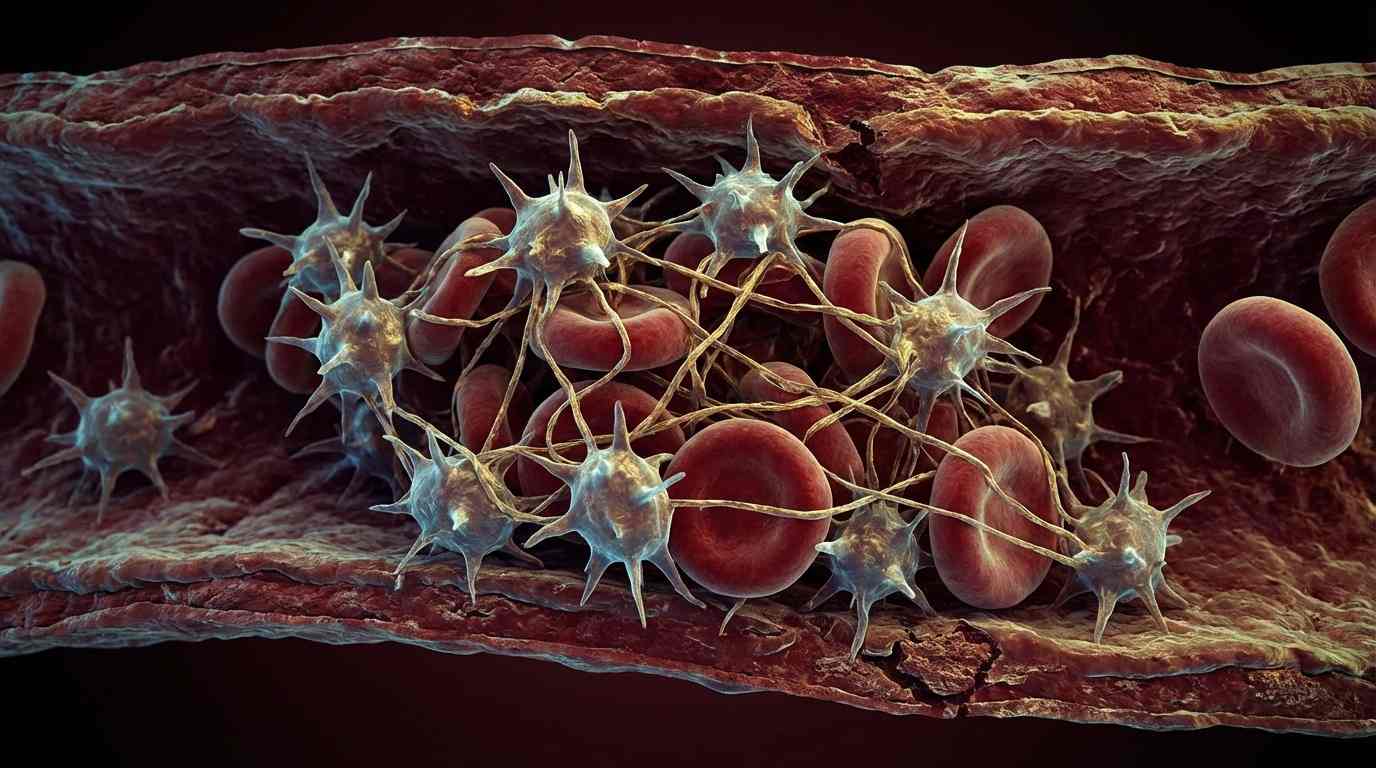
Blood clotting is actually a very complex biological system.
It involves more than a dozen proteins known as clotting factors.
These proteins activate each other in a chain reaction known as the coagulation cascade.
Once activated:
-
platelets stick together
-
fibrin threads form a net
-
the wound is sealed
This entire process happens automatically and usually within minutes.
It is one of the most sophisticated emergency response systems inside the human body.
Why Blood Clotting Must Be Balanced
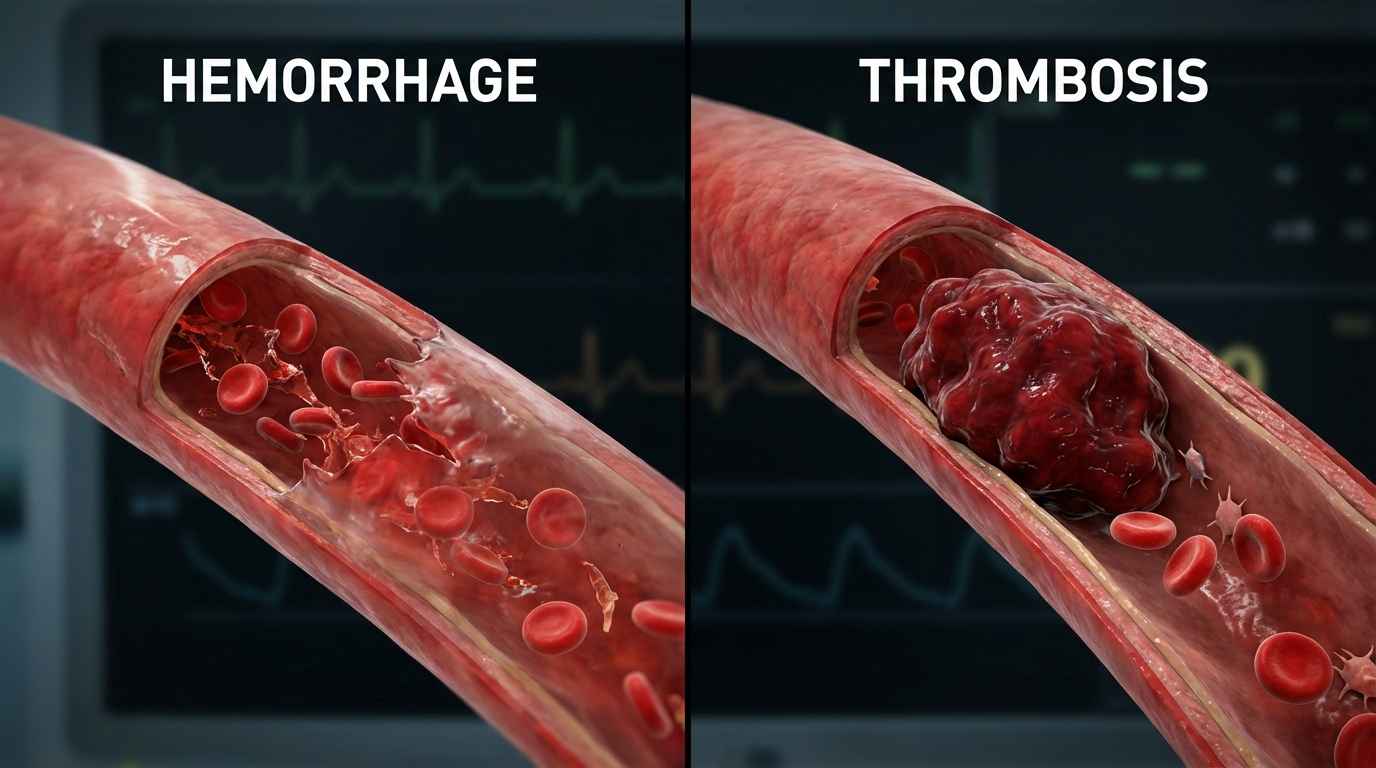
Interestingly, clotting must also be carefully balanced.
Too little clotting causes dangerous bleeding.
But too much clotting can also be harmful.
Excessive clotting can lead to conditions like Deep Vein Thrombosis, where dangerous clots form inside blood vessels.
These clots can block blood flow and sometimes travel to the lungs or brain.
This balance shows how precisely the body controls the clotting process.
A Tiny System That Saves Your Life Every Day
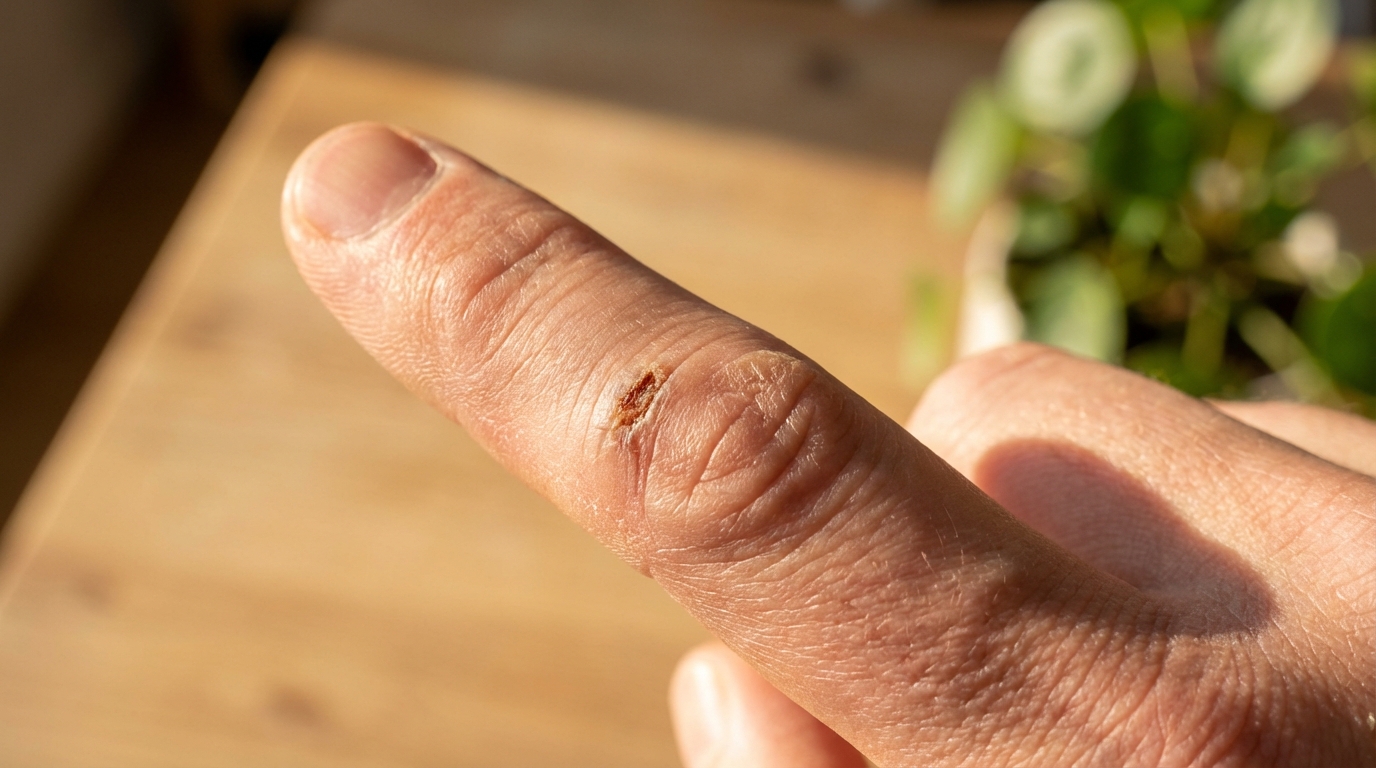
Most people never think about blood clotting.
But every day, your body silently protects you.
Small cuts heal.
Tiny blood vessel injuries repair themselves.
Bruises disappear.
Without this hidden defense system, life would be much more fragile.
The next time you get a small cut that stops bleeding after a few minutes, remember something remarkable:
Your body just activated one of the most powerful survival systems it has.
Frequently Asked Questions-FAQs
1. What would happen if your blood could not clot at all?
Even minor injuries could cause continuous bleeding, which could lead to serious blood loss and medical emergencies.
2. Can people live with poor clotting ability?
Yes, but it often requires medical treatment and careful lifestyle management.
3. What disease prevents normal blood clotting?
One well-known disorder is Hemophilia, which affects the body’s clotting proteins.
4. Why does blood clot naturally?
Blood clotting protects the body by sealing damaged blood vessels and preventing excessive blood loss.
5. Can blood clotting be dangerous?
Yes. Too much clotting can cause serious problems like Deep Vein Thrombosis.
Final Thoughts
Blood clotting may seem like a small biological detail, but it is one of the most important survival mechanisms in the human body.
Without it, everyday life would become incredibly dangerous.
Minor cuts could become medical emergencies, internal bleeding could go unnoticed, and healing would slow dramatically.
In other words, blood clotting is one of the quiet systems that keeps us alive—working every second without us even realizing it.
And without it, the human body would struggle to survive even the smallest injury.