What Happened If the Moon Stopped Orbiting Earth?
Imagine looking up at the night sky… and realizing the Moon is no longer there.
No crescent.
No full moon.
No silent guardian rising over the horizon.
But this wouldn’t just be a visual loss. If the Moon stopped orbiting Earth, the consequences would ripple across oceans, climate systems, and even the stability of life itself.
The Moon is not just decoration. It is one of the most powerful stabilizing forces in Earth’s existence.
So what happened if the Moon suddenly stopped orbiting Earth?
Let’s explore.
The First Moment: What Does “Stopped Orbiting” Mean?
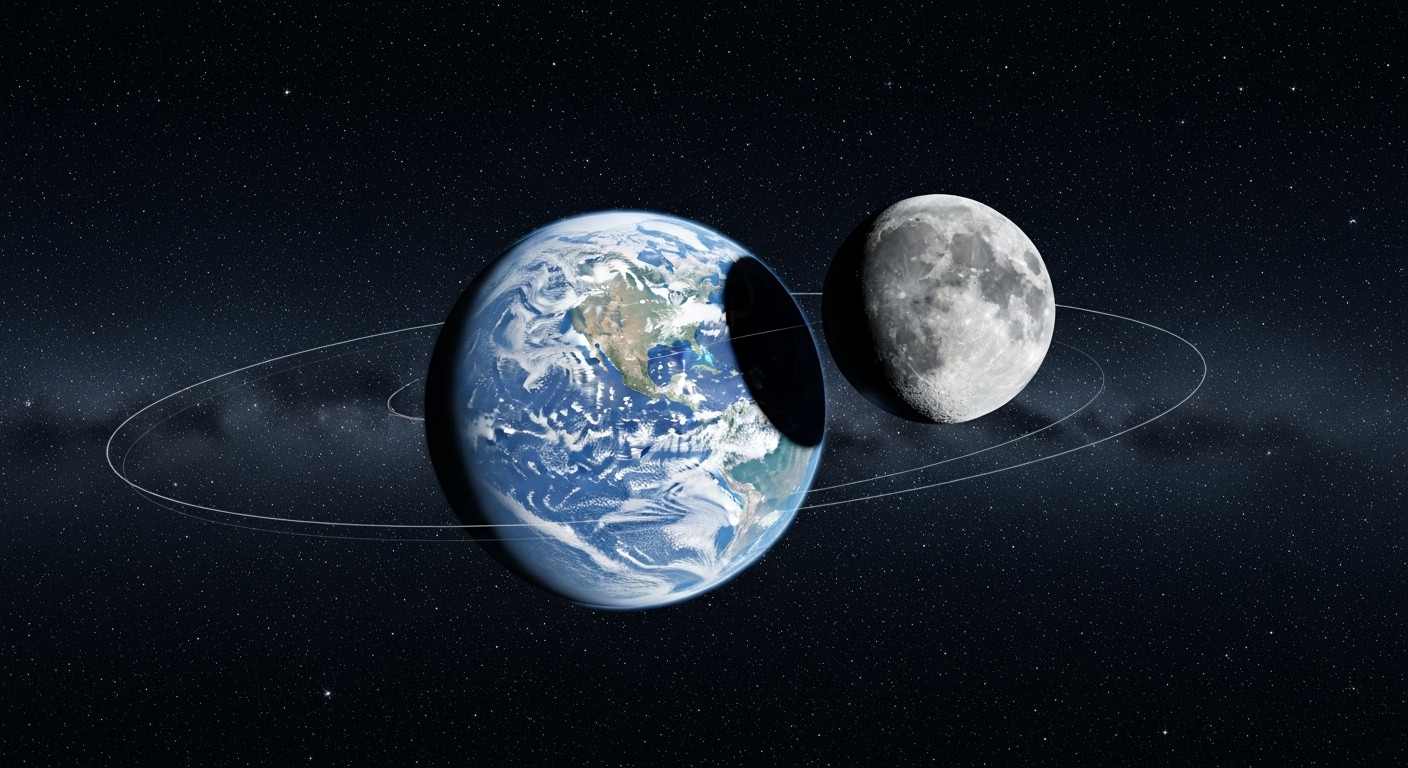
If the Moon stopped orbiting, one of two things would happen:
-
It would begin drifting away into deep space.
-
It would fall toward Earth under gravity.
Both scenarios are terrifying in very different ways.
For this article, we’ll explore the most scientifically plausible version:
The Moon suddenly loses orbital speed and drifts away from Earth.
The Immediate Effect: Tides Collapse
The Moon controls Earth’s tides.
Its gravitational pull causes:
-
High tides
-
Low tides
-
Ocean movement cycles
If the Moon stopped orbiting:
-
Tidal forces would drop dramatically
-
Only weak solar tides would remain
-
Coastal ecosystems would collapse
Many marine species depend on tidal rhythms for feeding and reproduction. Without strong tides, food chains in shallow waters would break apart.
Within weeks, coastal biodiversity would begin to decline.
The Night Sky Goes Dark
The Moon reflects sunlight and brightens our nights.
Without it:
-
Nights would become significantly darker
-
No lunar phases
-
No moonlight guiding nocturnal animals
Human life would adapt quickly with artificial light, but wildlife would struggle.
Predators that hunt by moonlight would lose their advantage. Prey animals that rely on lunar cycles for behavior would become disoriented.
Earth’s Rotation Becomes Unstable
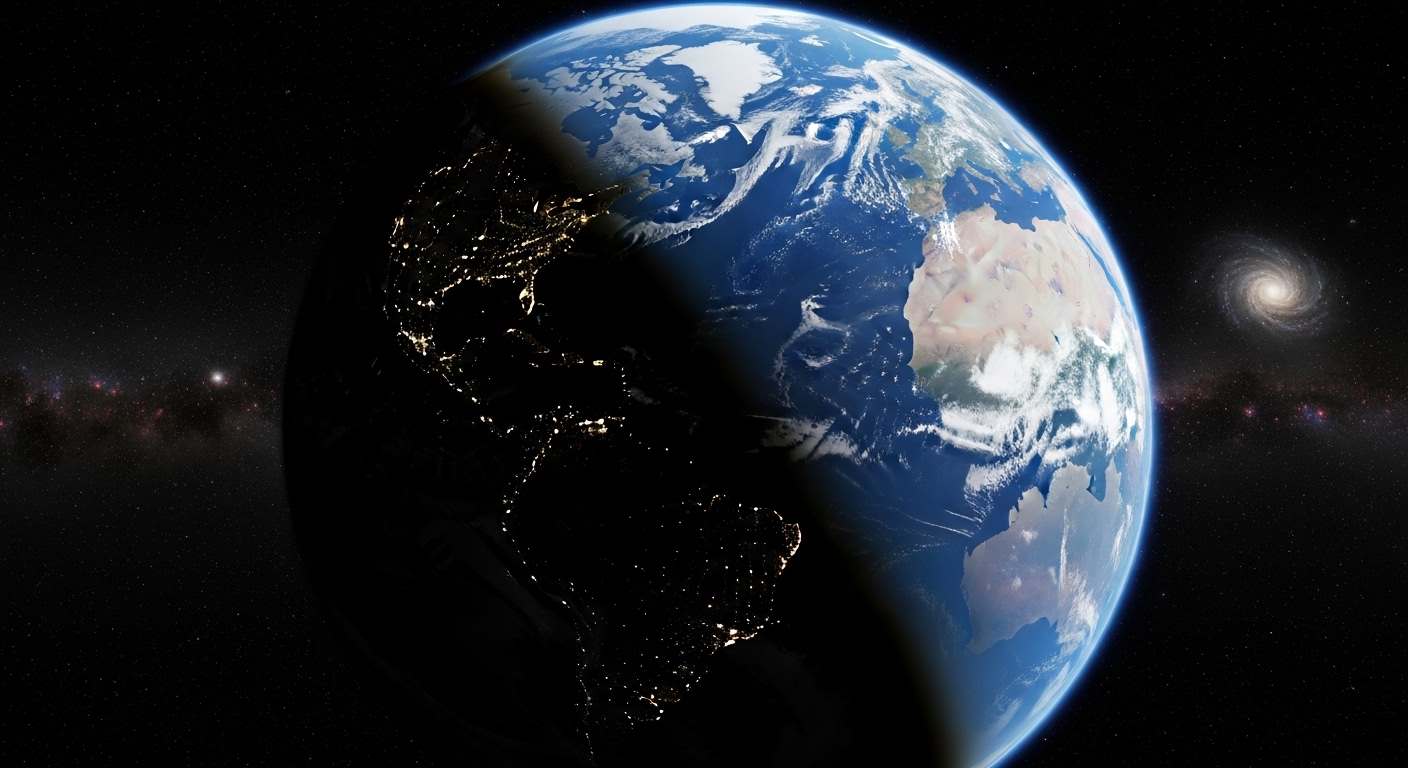
Here’s where things become more serious.
The Moon stabilizes Earth’s axial tilt.
Right now, Earth tilts at about 23.5 degrees. That tilt gives us seasons. The Moon acts like a stabilizing anchor.
Without the Moon:
-
Earth’s tilt could begin to wobble unpredictably
-
Seasons could become extreme
-
Climate patterns could shift dramatically
Over thousands to millions of years, Earth’s tilt might fluctuate wildly—possibly between 0 and 60 degrees.
That would mean:
-
Some regions frozen permanently
-
Others scorched under constant sunlight
Climate chaos would eventually reshape the planet.
Days Would Become Shorter
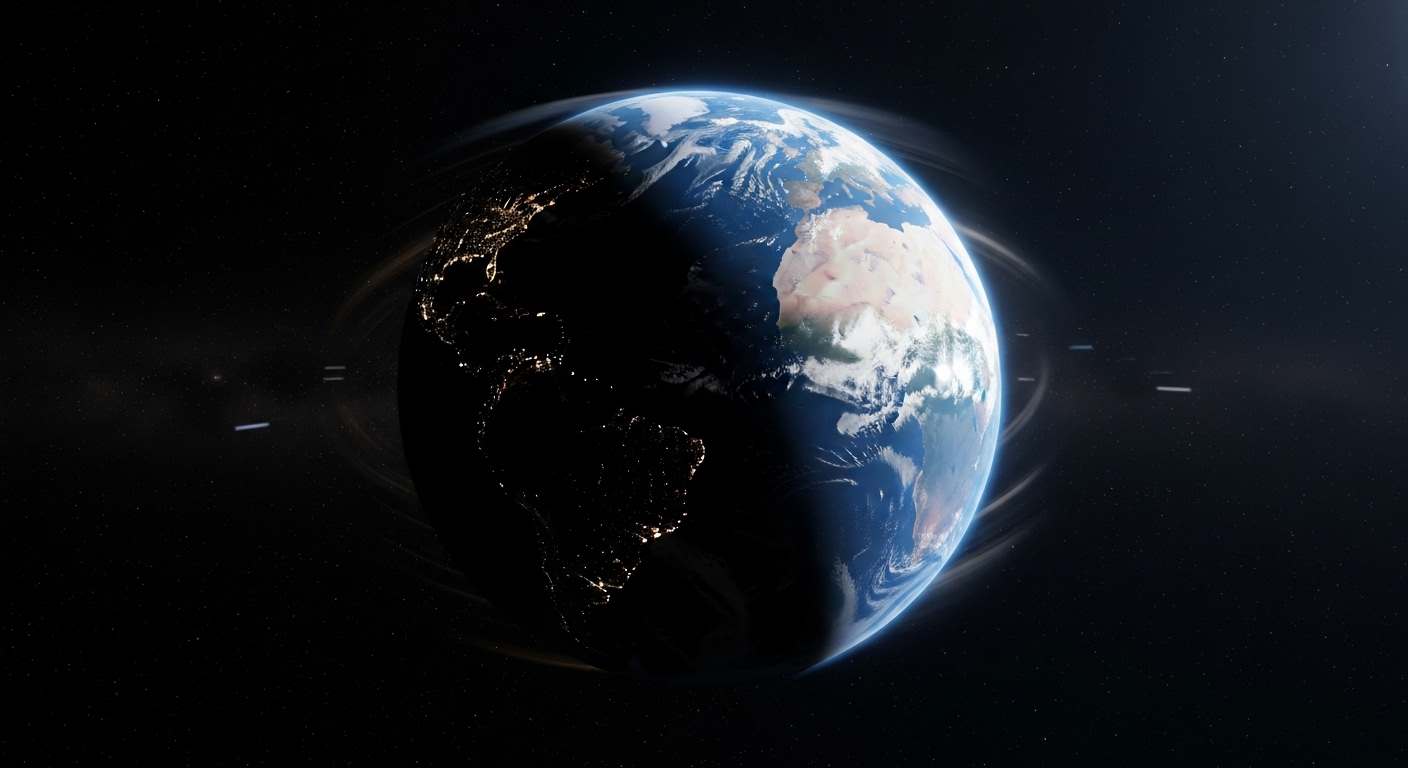
The Moon gradually slows Earth’s rotation through tidal friction.
Without it:
-
Earth would spin slightly faster
-
Days would shorten over time
The effect wouldn’t be immediate, but over millions of years, days could become noticeably shorter, affecting atmospheric circulation and weather systems.
Earthquakes and Internal Stress
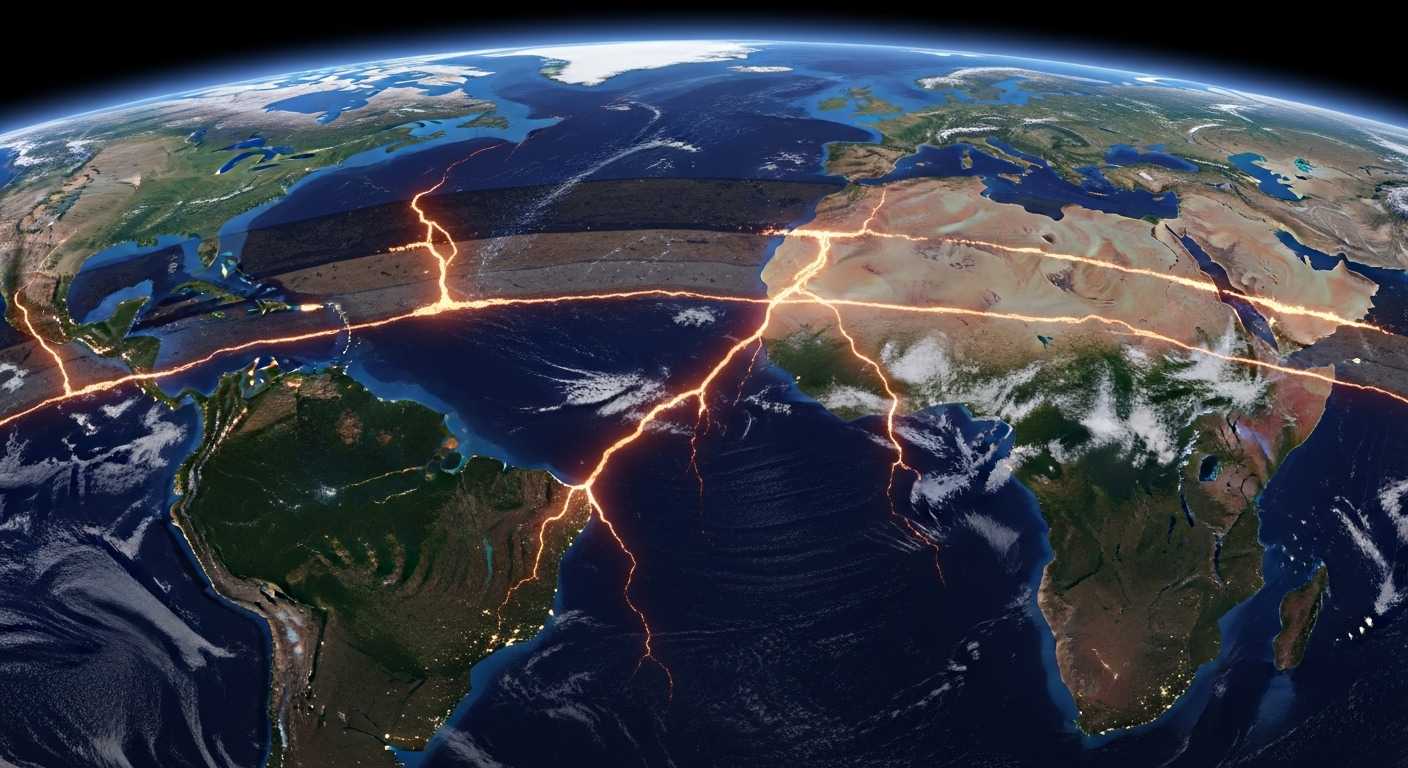
The Moon’s gravity also influences Earth’s crust slightly.
Without lunar gravitational stress:
-
Certain tidal stresses in Earth’s crust would change
-
Geological systems could adjust unpredictably
While it wouldn’t cause instant global earthquakes, long-term tectonic patterns could shift.
What If the Moon Fell Toward Earth Instead?
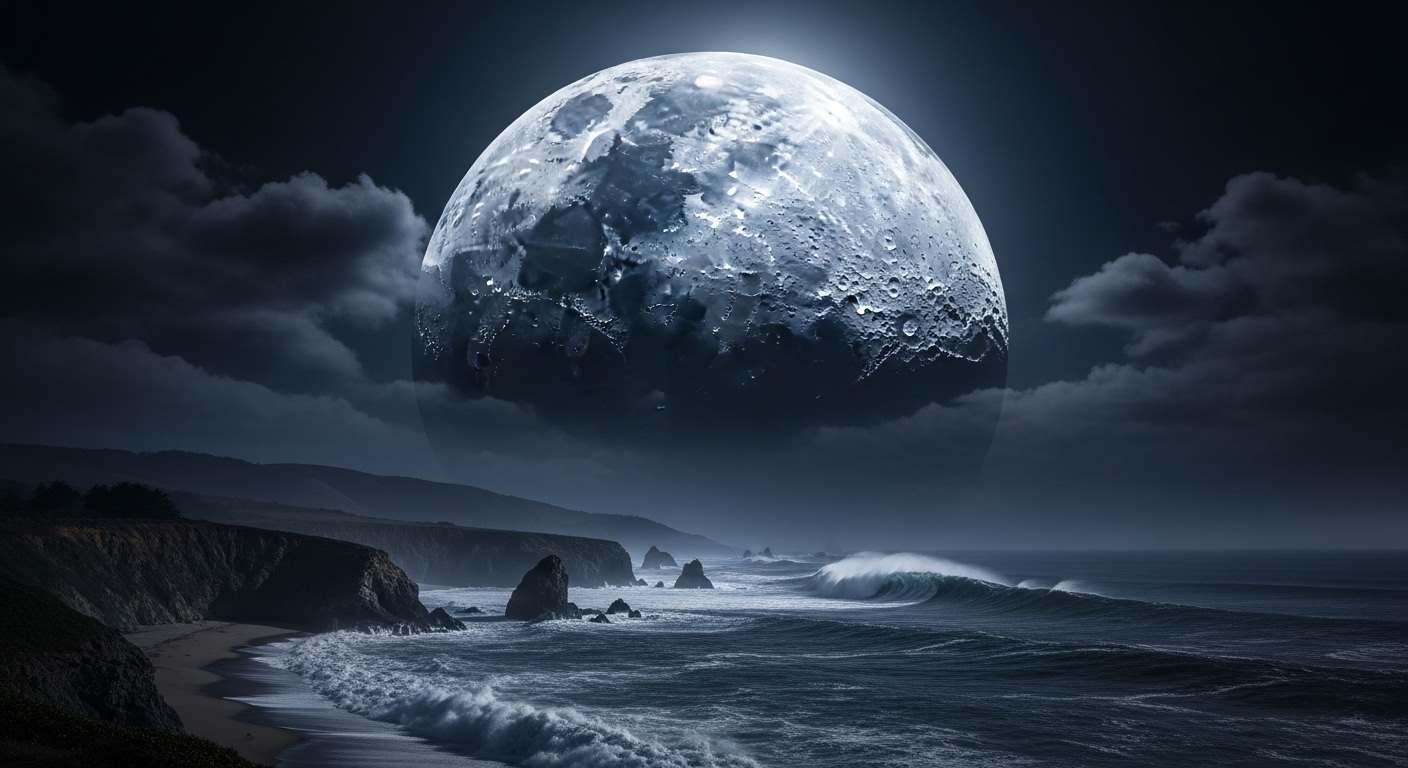
Now imagine the darker scenario.
If the Moon stopped orbiting and began falling toward Earth:
-
Tidal forces would intensify dramatically
-
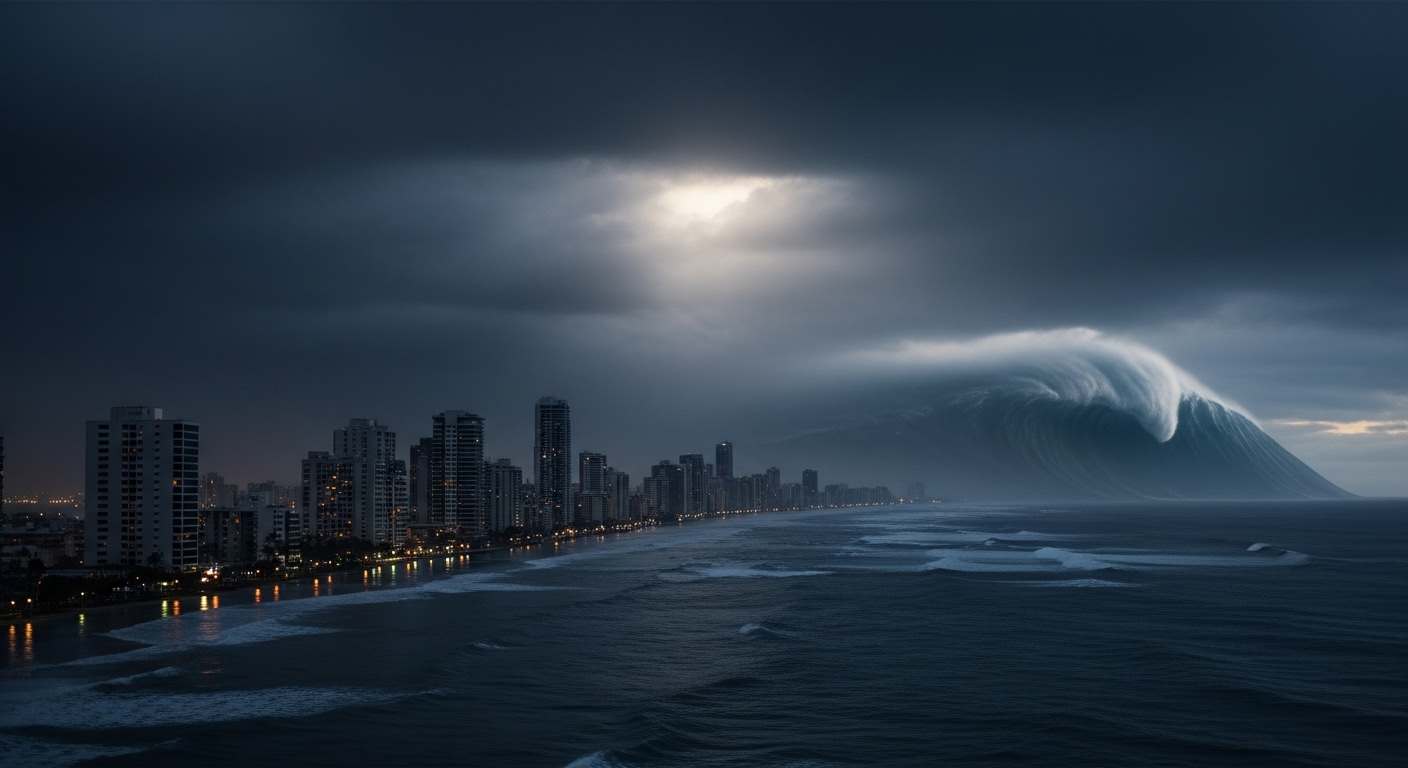
Oceans would surge into mega-tsunamis
-
Coastal cities would vanish
As the Moon approached:
-
Earth’s crust would fracture
-
Volcanoes could activate
-
The sky would be dominated by a growing, terrifying lunar mass
If collision occurred, it would be civilization-ending.
Could Earth Survive Without the Moon?
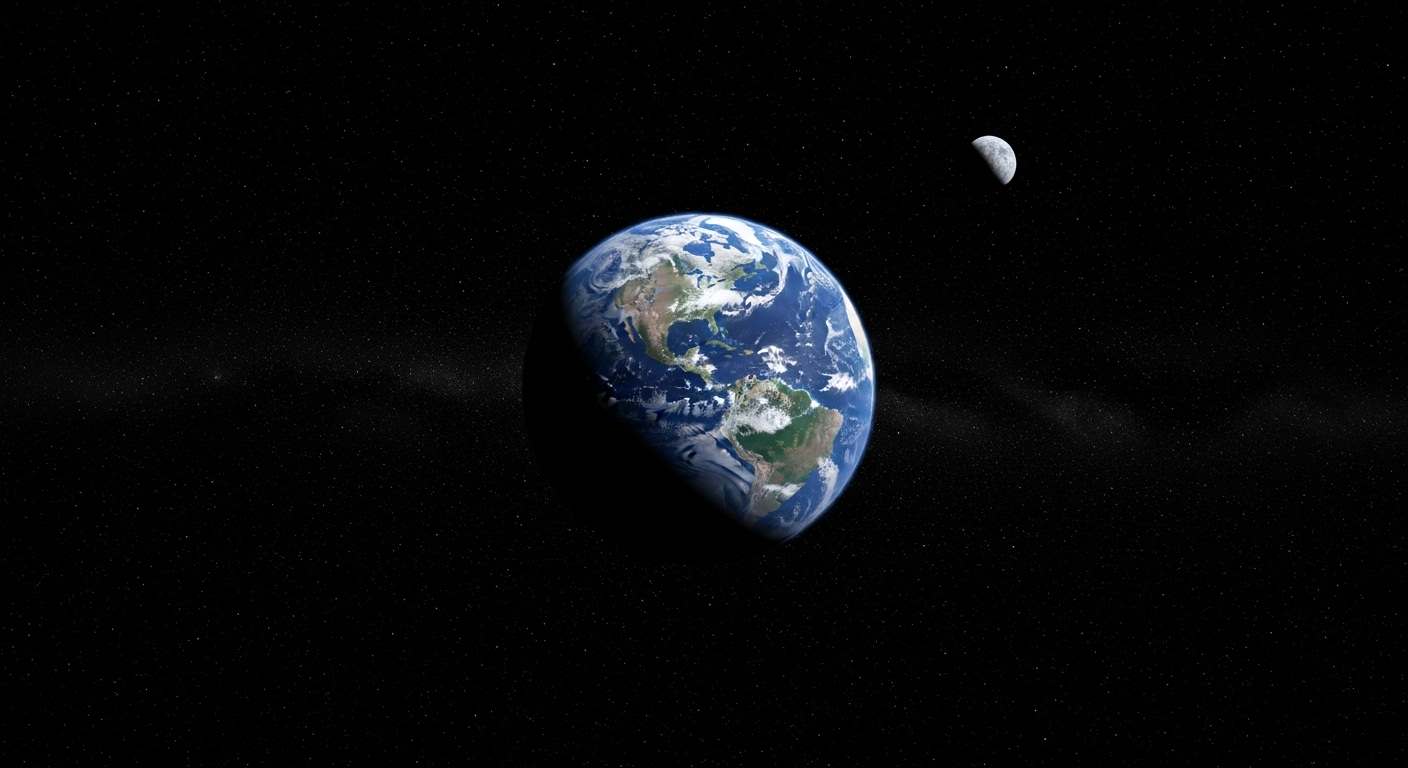
Yes — but not comfortably.
Life existed before the Moon stabilized Earth fully. However, modern ecosystems evolved under lunar influence.
Without the Moon:
-
Climate stability decreases
-
Marine ecosystems weaken
-
Long-term habitability becomes less predictable
Earth wouldn’t explode or freeze overnight. But over long timescales, life would face serious evolutionary pressure.
Psychological Impact on Humanity
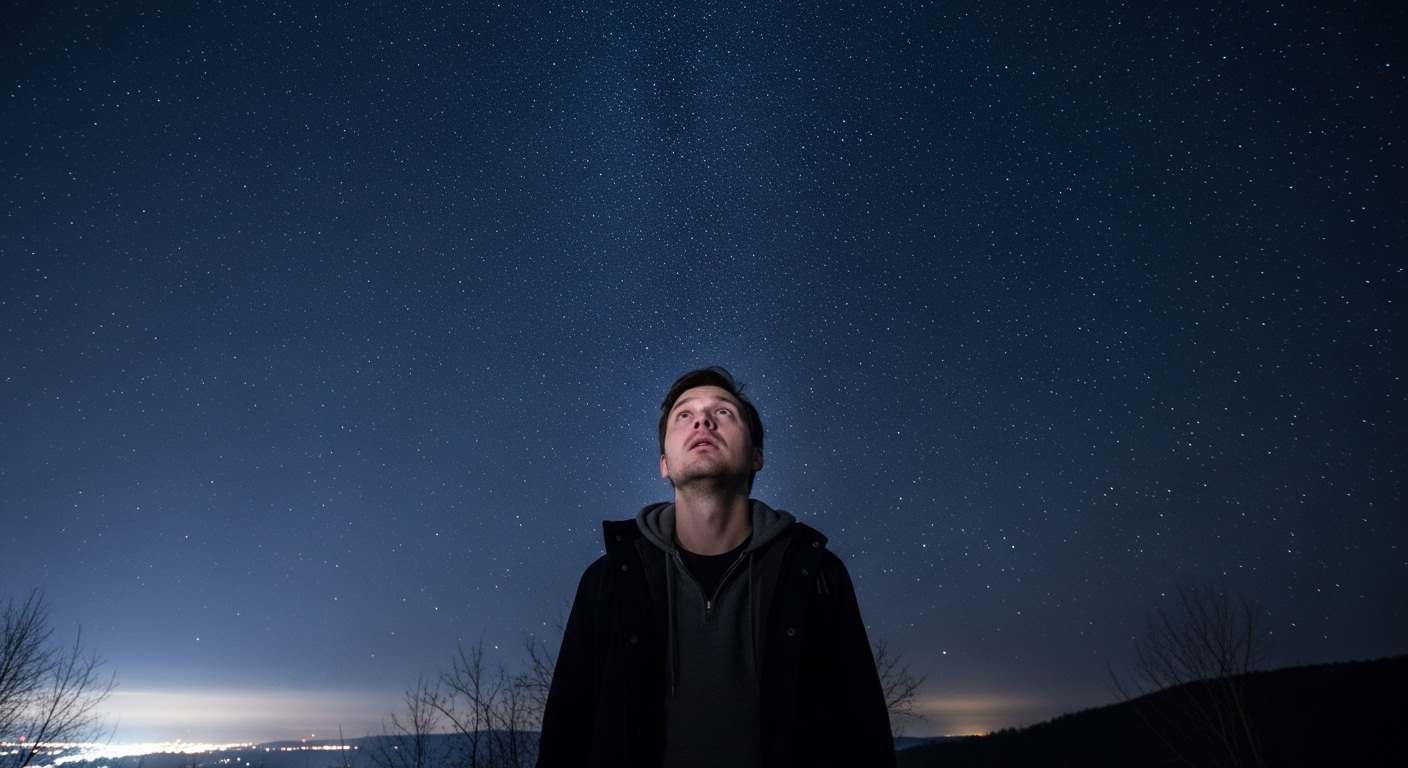
The Moon has shaped human culture for thousands of years.
It influences:
-
Calendars
-
Myths
-
Religion
-
Art
Losing it would create a deep psychological and cultural shock.
The night sky would feel emptier.
A constant companion would be gone.
Humanity might adapt physically — but emotionally, the loss would be profound.
Final Thought: The Moon Is More Important Than It Looks
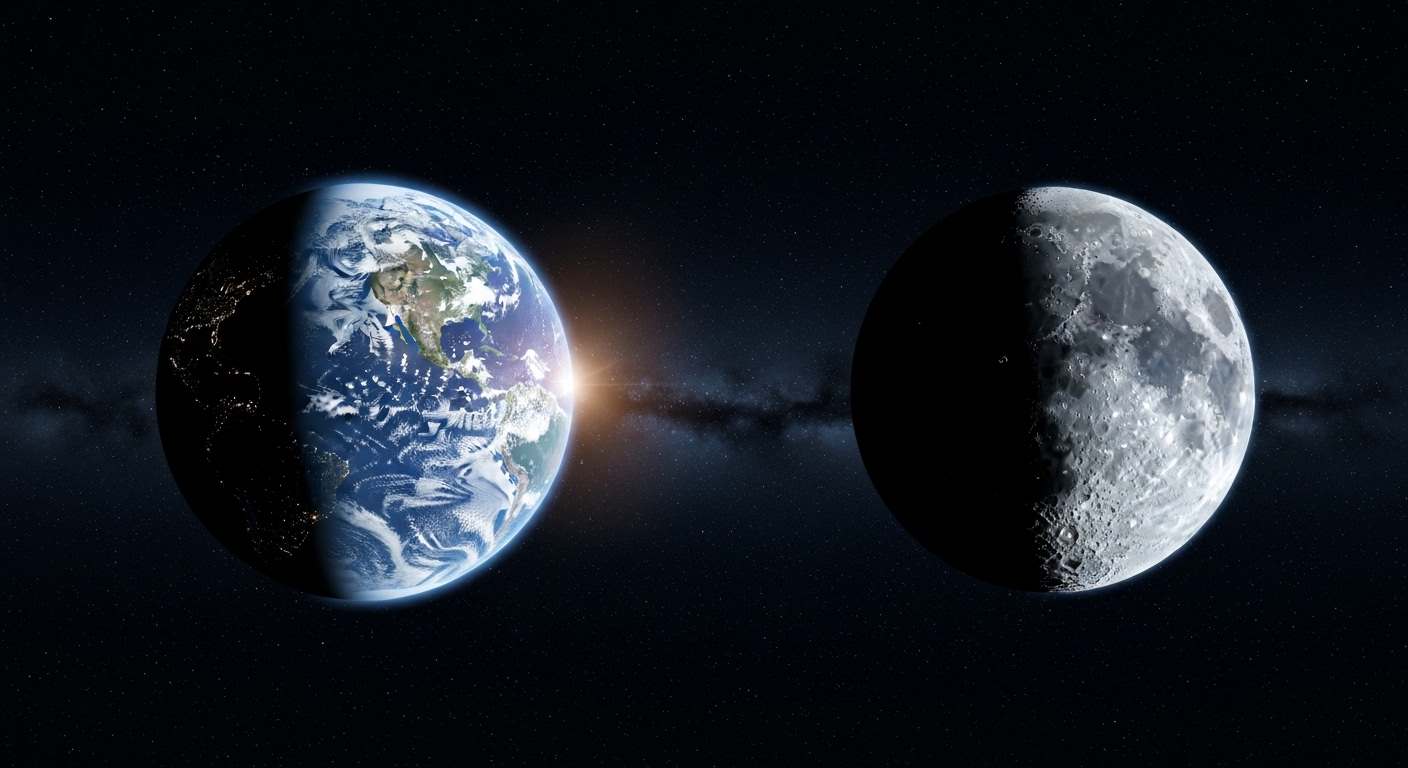
The Moon seems passive. Silent. Decorative.
But in reality, it is:
-
A stabilizer
-
A tidal engine
-
A climate regulator
-
A silent protector
If the Moon stopped orbiting Earth, our planet would not remain the same.
Not immediately.
But slowly…
inevitably…
Earth would begin to change.
And we would finally understand that the Moon was never just a beautiful light in the sky.
It was part of the machinery that keeps our world alive.
Frequently Asked Questions (FAQs)
1. Would Earth be destroyed if the Moon stopped orbiting?
Not immediately. If the Moon drifted away, Earth would survive but experience long-term climate instability.
2. What would happen to tides without the Moon?
Tides would become much weaker, driven only by the Sun, disrupting marine ecosystems.
3. Would seasons disappear?
No, but Earth’s tilt could become unstable over time, leading to extreme and unpredictable seasonal changes.
4. Could the Moon actually stop orbiting?
Not under current physics. The Moon is gradually moving away from Earth very slowly, but it cannot suddenly stop without an external force.
5. What if the Moon collided with Earth?
A collision would likely cause mass extinction and global devastation due to massive energy release and tidal destruction.