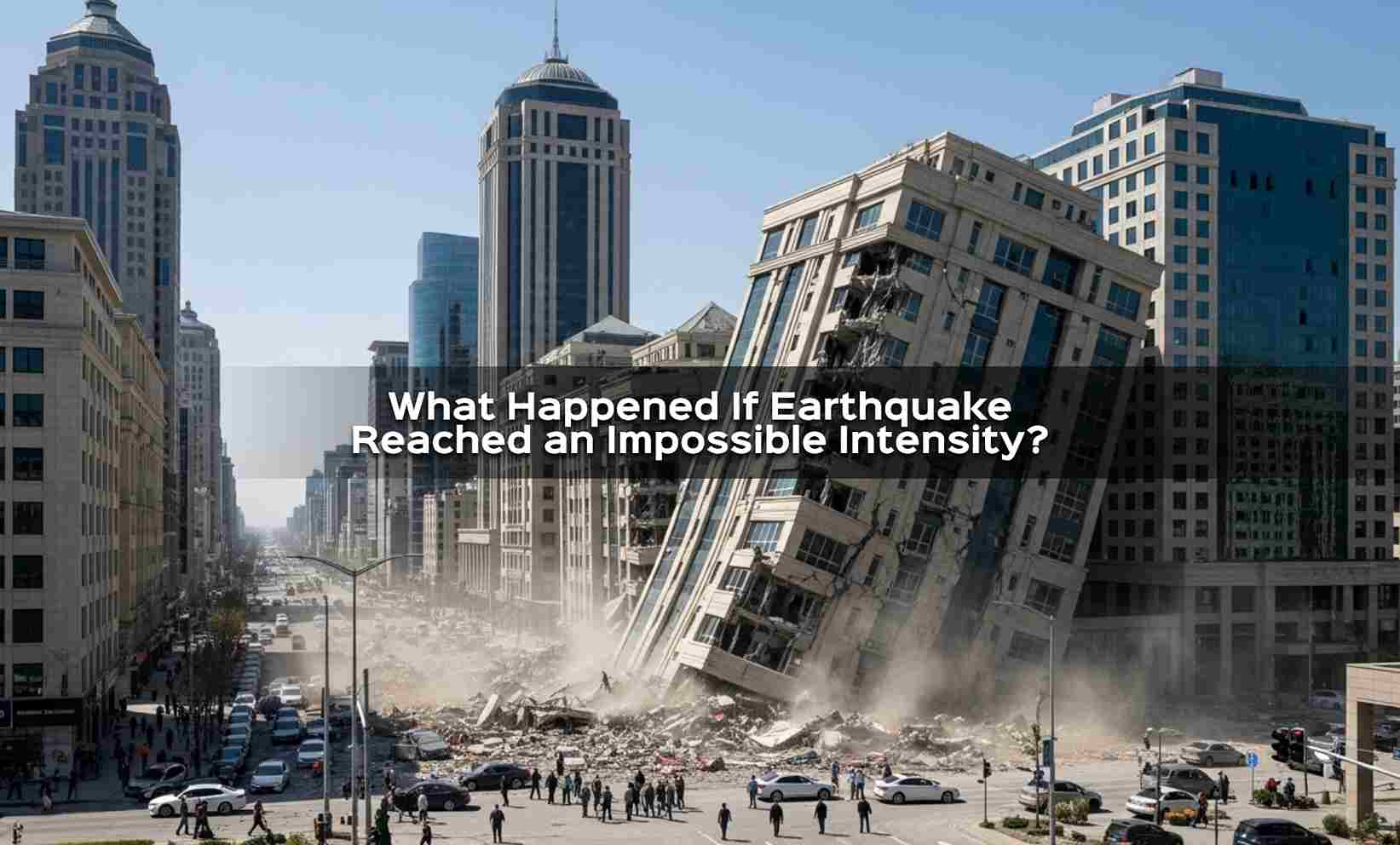
What Happened If an Earthquake Reached an Impossible Intensity?
Imagine this.
You’re standing on solid ground.
The world feels stable. Predictable.
Then the shaking begins.
At first, it feels familiar — like any earthquake.
But it doesn’t stop.
It grows stronger.
Buildings don’t sway — they tear apart.
Roads don’t crack — they fold like paper.
Mountains don’t tremble — they rupture.
And then you realize something terrifying:
This is not a normal earthquake.
This is something beyond Earth’s known limits.
So what would really happen if an earthquake reached an impossible intensity?
Let’s go step by step — scientifically, realistically — and explore what our planet would endure.
What Is the Strongest Earthquake Earth Can Produce?
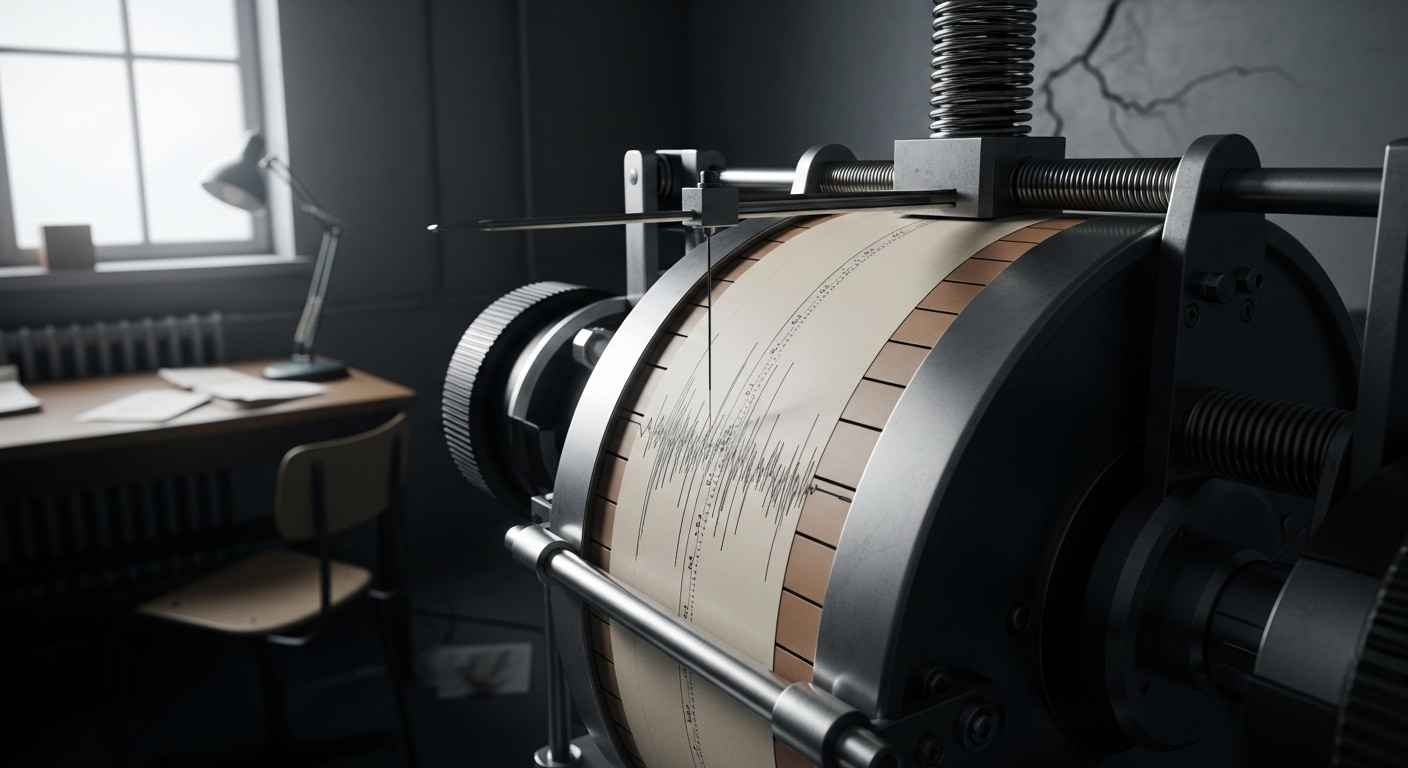
To understand “impossible intensity,” we first need to understand limits.
Earthquakes are measured on the Moment Magnitude Scale (Mw).
Unlike the old Richter scale, this scale is logarithmic. That means:
-
A magnitude 8.0 is not just slightly stronger than a 7.0.
-
It releases about 32 times more energy.
The strongest earthquake ever recorded was:
Magnitude 9.5 — Valdivia, Chile (1960).
Scientists estimate that under normal tectonic conditions, Earth’s physical plate sizes limit earthquakes to around magnitude 10 at absolute maximum.
But what if something broke that limit?
What if stress built across multiple plate boundaries at once?
What if an event released energy equivalent to millions of nuclear bombs?
That would be an earthquake beyond anything humanity has witnessed.
The First 10 Seconds: The Ground Stops Acting Like Ground
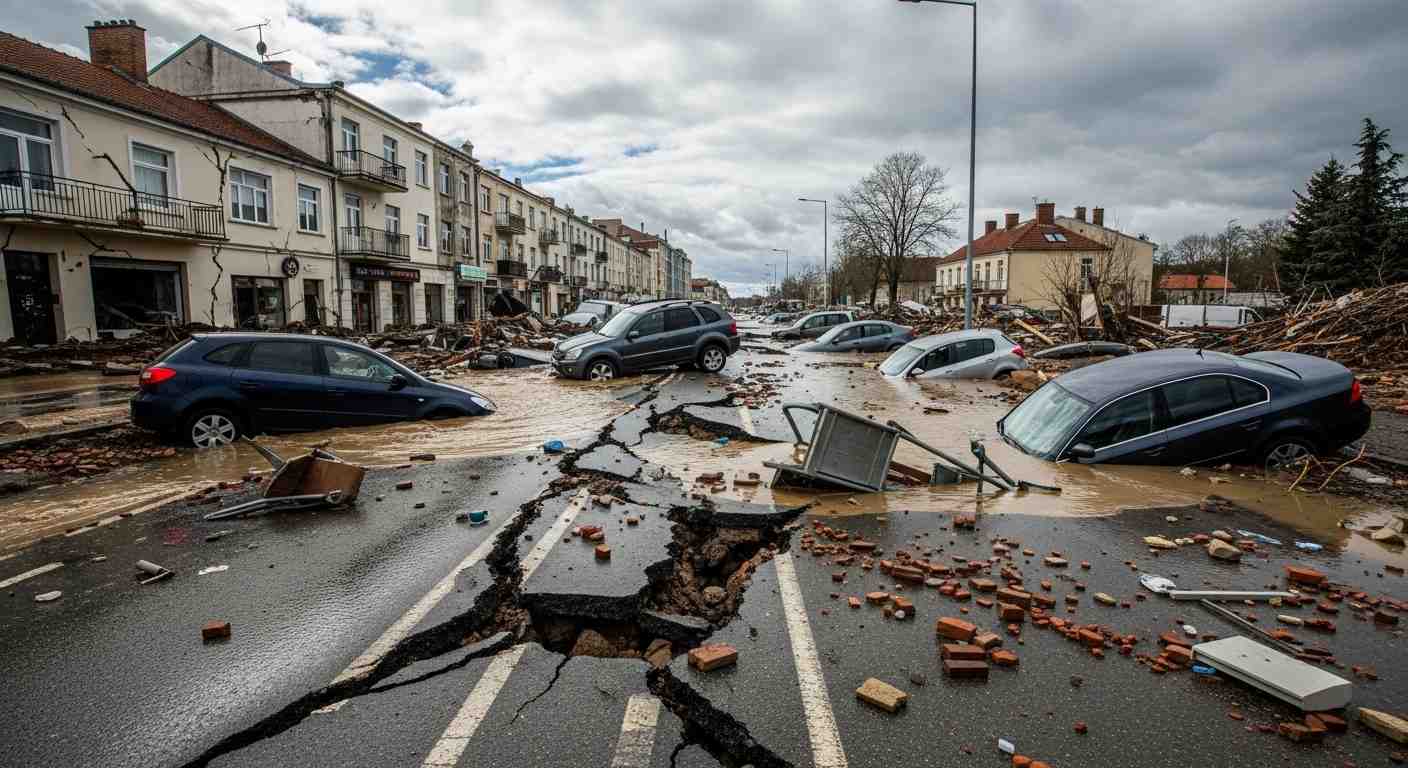
In extreme earthquakes, a phenomenon called liquefaction occurs.
Soil temporarily loses strength and behaves like liquid.
Now imagine that effect — everywhere.
-
Skyscrapers sink into the ground
-
Highways ripple like ocean waves
-
Bridges twist and collapse instantly
The shaking wouldn’t feel like vibration.
It would feel like the planet is dissolving beneath you.
Standing upright would be impossible.
The air would fill with dust and collapsing debris.
And this is just the beginning.
Shock waves Through the Entire Planet
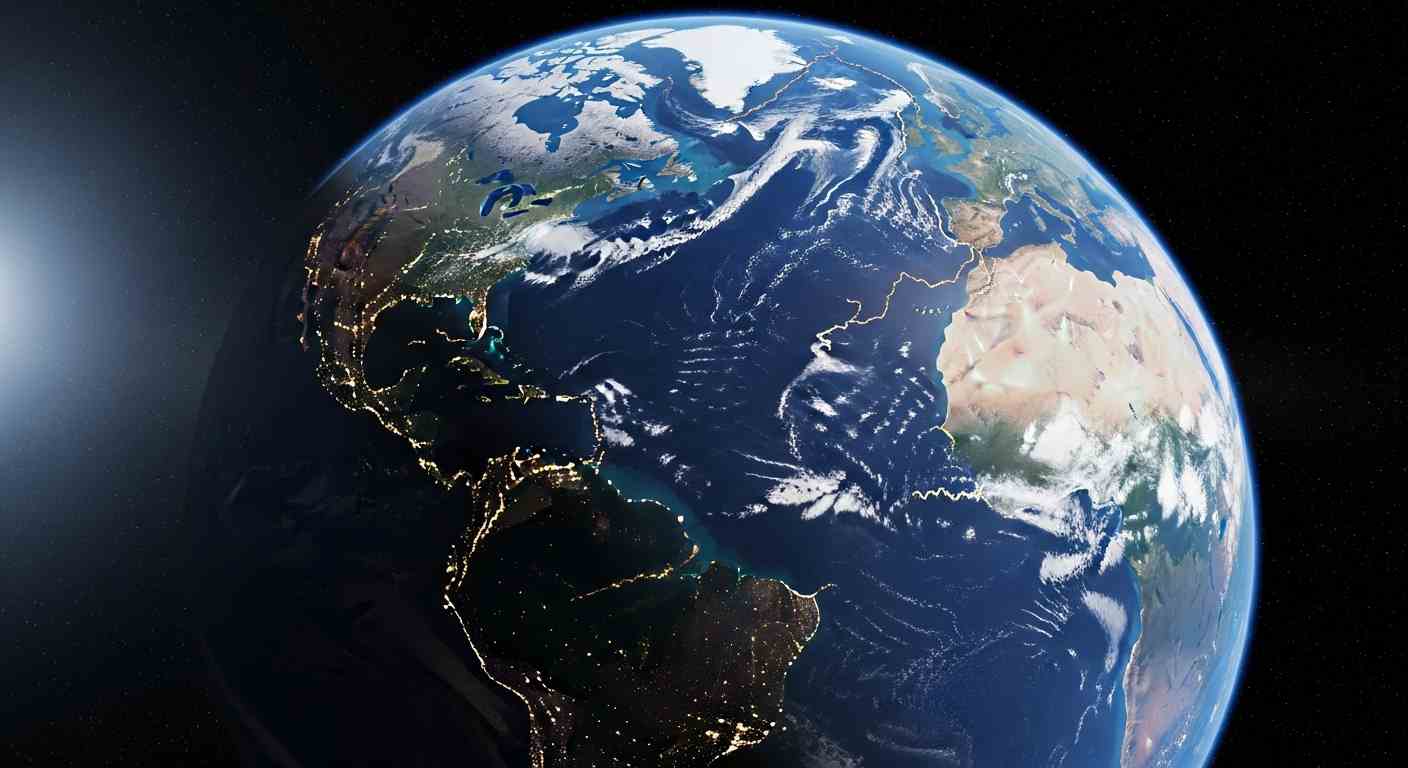
Large earthquakes send seismic waves that travel through the Earth’s mantle and core.
An impossible-intensity earthquake would:
-
Send seismic waves circling the globe multiple times
-
Trigger aftershocks worldwide
-
Cause tremors thousands of kilometers away
The planet itself would vibrate like a struck bell.
Sensitive instruments around the world would record Earth literally oscillating.
Even regions far from the epicenter would feel strong shaking.
No continent would be untouched.
Oceans Turn Into Weapons
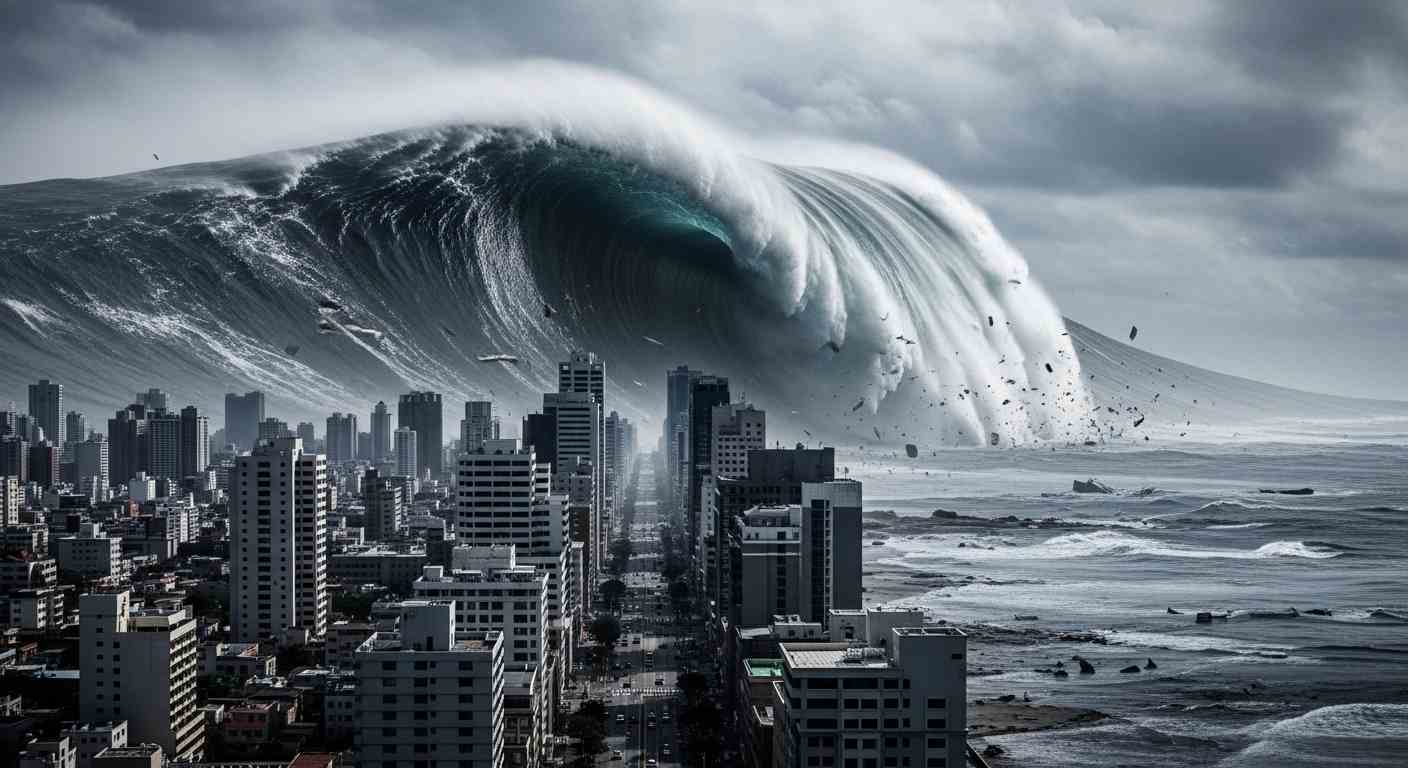
If this mega-earthquake occurred underwater — especially along a major subduction zone — the results would be catastrophic.
The 2004 Indian Ocean earthquake (magnitude 9.1) produced waves over 30 meters tall.
Now imagine something far stronger.
We could see:
-
Tsunamis over 100 meters high
-
Entire coastlines erased
-
Ocean water traveling miles inland
Major cities like Tokyo, Los Angeles, Jakarta, and New York would face unimaginable destruction.
Ports, shipping routes, and global trade would collapse overnight.
And that’s not just local damage.
It’s global economic disruption.
Could Continents Actually Move?
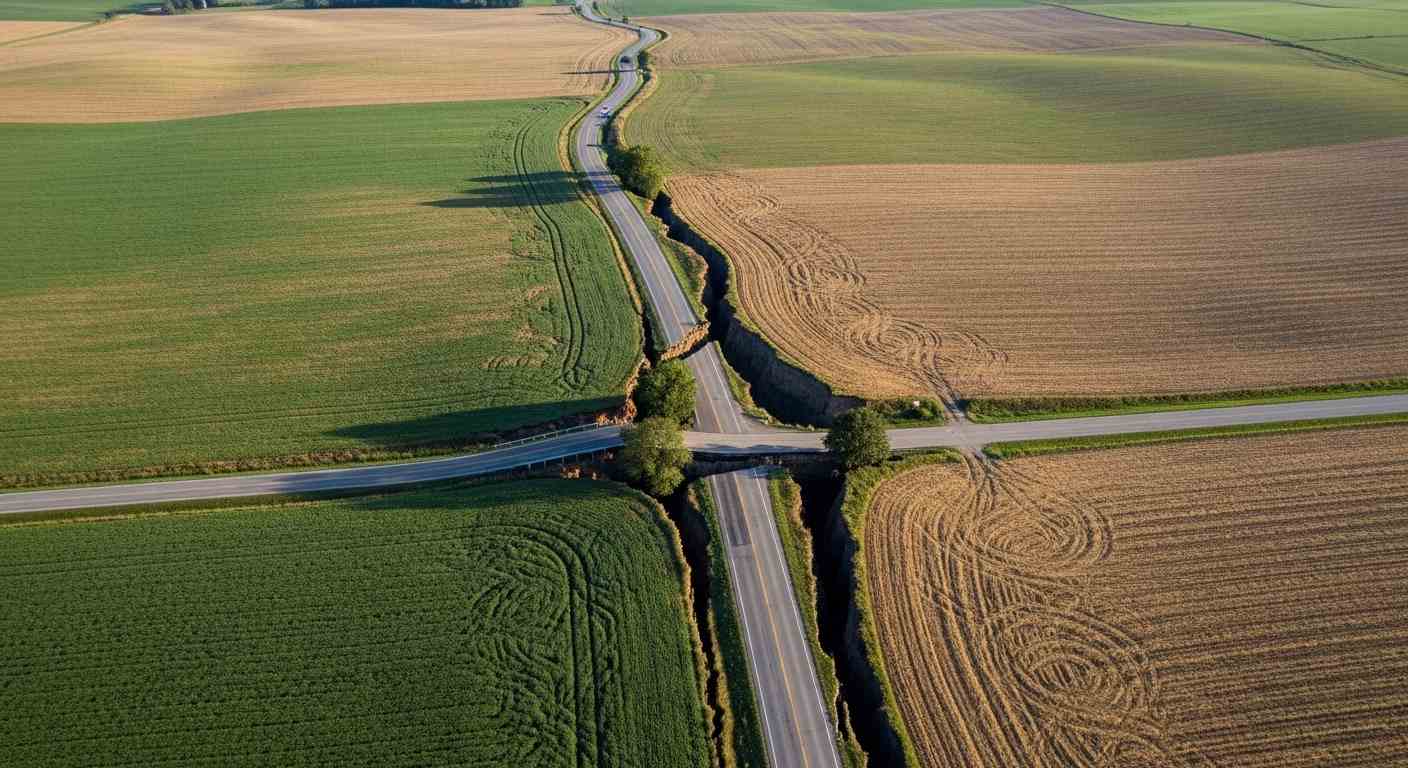
During the 2011 Japan earthquake, parts of Japan shifted several meters.
In an impossible-intensity earthquake:
-
Tectonic plates could shift tens of meters
-
Coastlines could permanently change
-
New islands might form
-
Some regions might sink
Maps would need to be redrawn.
The shape of Earth’s surface would change.
And these changes would not reverse.
Chain Reaction: Volcanoes and Fault Systems
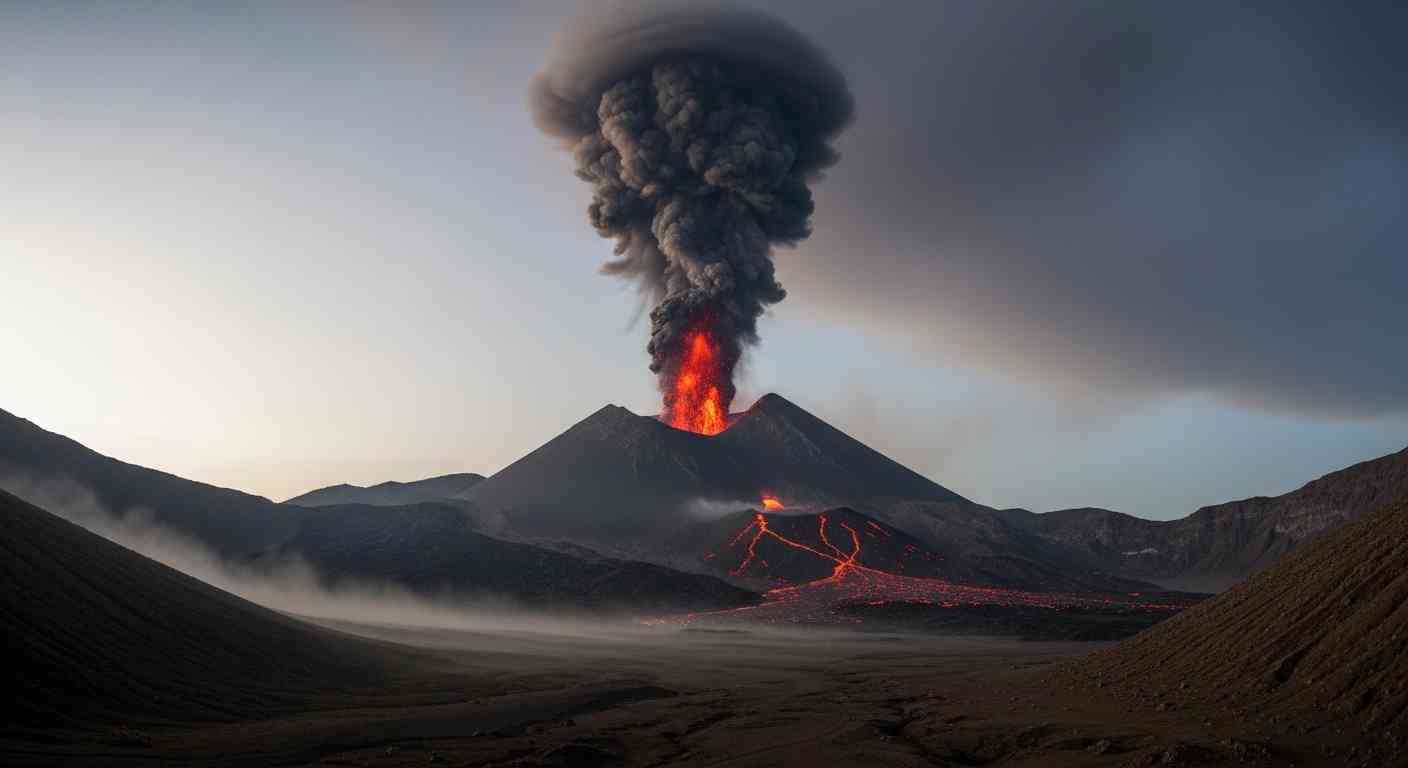
Tectonic stress is interconnected.
An earthquake of extreme magnitude could:
-
Trigger nearby fault systems
-
Activate dormant volcanoes
-
Increase geothermal instability
Entire volcanic arcs could awaken.
Ash clouds could block sunlight.
Air travel would halt.
Agriculture would suffer.
Food shortages would begin within weeks.
Nuclear and Industrial Disaster
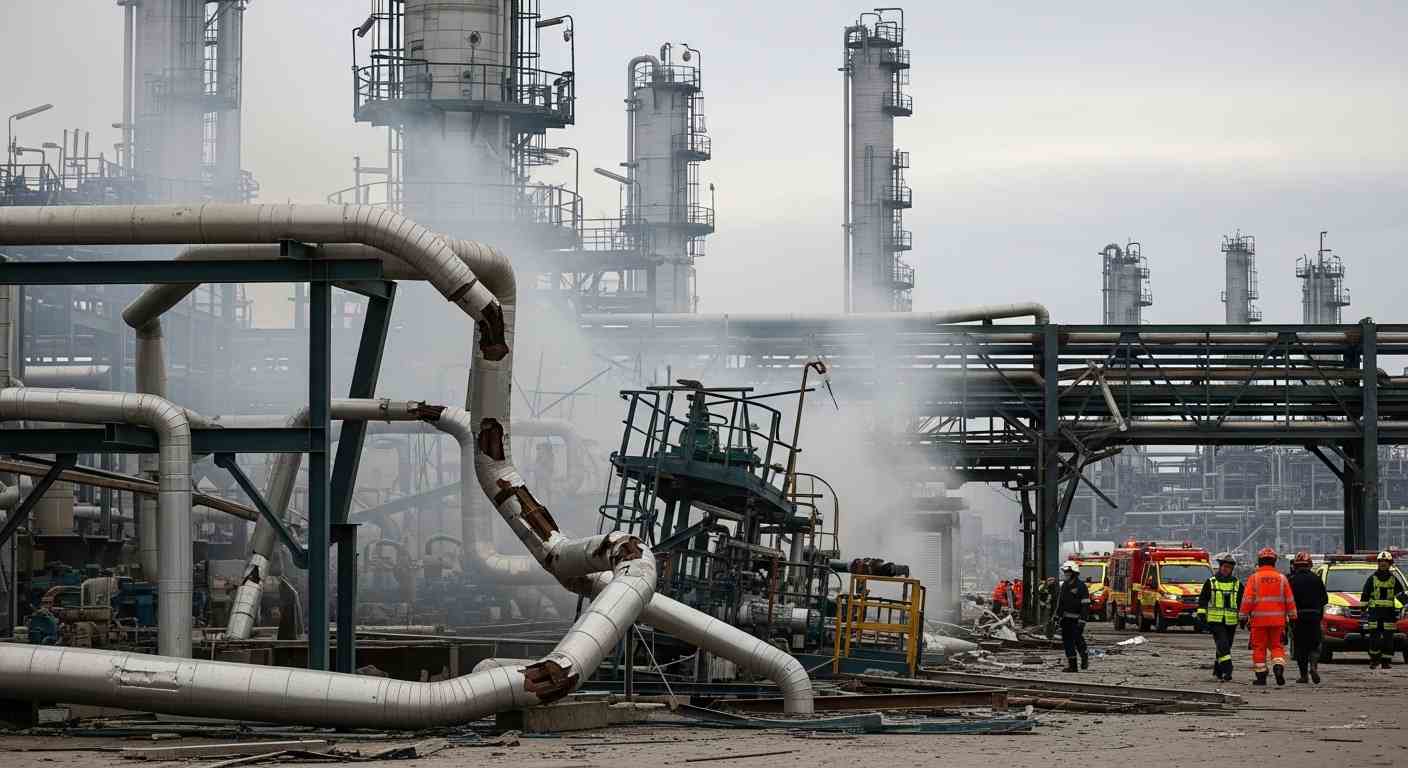
Modern civilization adds a terrifying layer to natural disasters.
An earthquake beyond magnitude 10 would likely:
-
Damage nuclear power plants
-
Rupture oil and gas pipelines
-
Destroy chemical facilities
Even with safety systems, infrastructure has limits.
The Fukushima disaster happened after a 9.0 earthquake.
Now imagine something significantly stronger.
The secondary disasters could rival the earthquake itself.
Could Earth Split Apart?
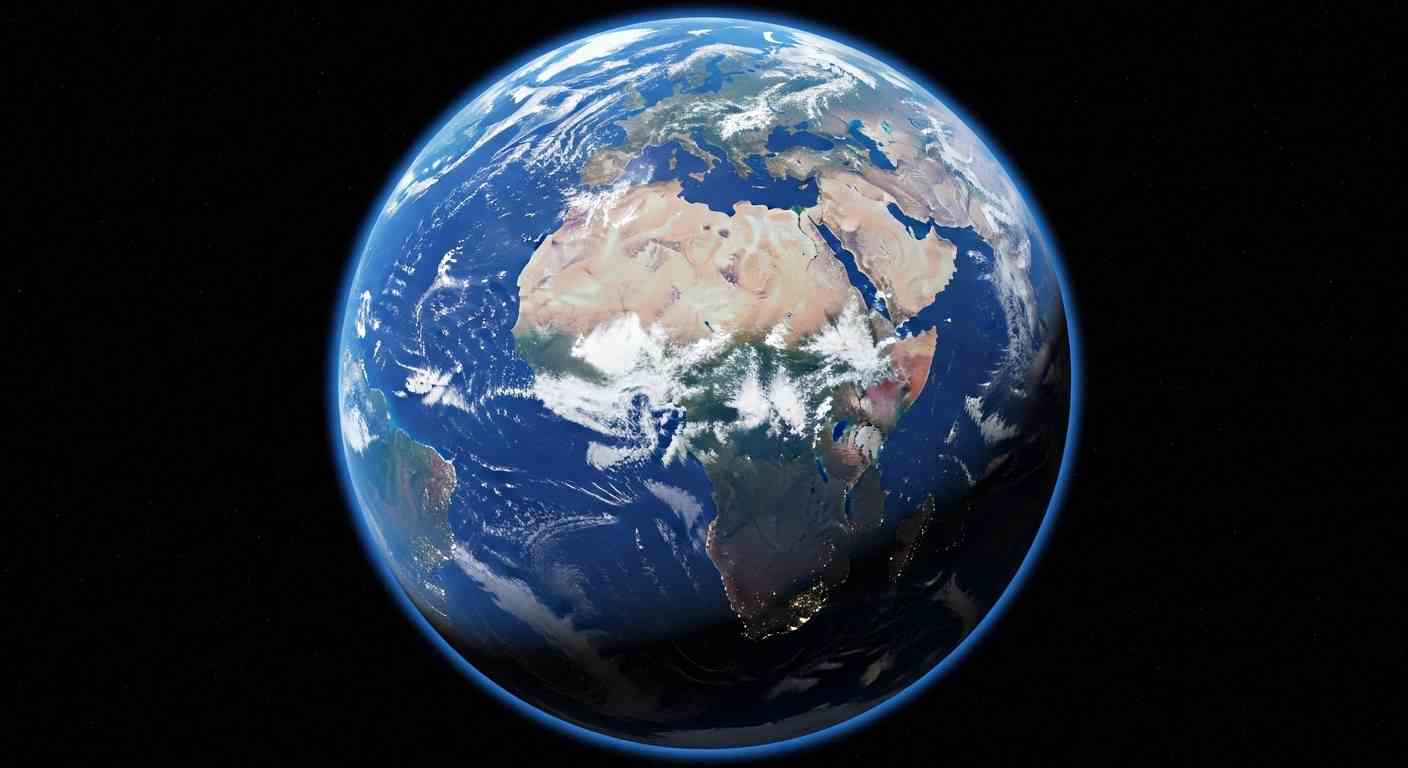
This is the dramatic question many people ask.
Could an earthquake tear the planet in half?
Scientifically — no.
The energy required to break Earth apart is astronomically larger than tectonic energy release.
Even an “impossible” earthquake cannot overcome Earth’s gravitational binding energy.
But that doesn’t make it harmless.
It could:
-
Create massive crustal fractures
-
Reshape continents
-
Cause regional collapse of civilization
The planet would survive.
Human systems might not.
Human Survival and Global Collapse

The immediate death toll would be devastating in affected regions.
But survival depends on:
-
Building standards
-
Emergency response systems
-
Distance from epicenter
However, the bigger issue is long-term disruption.
-
Global supply chains break
-
Communication networks fail
-
Power grids collapse
Food distribution halts.
Medical systems overload.
Panic spreads faster than seismic waves.
The psychological trauma alone would reshape societies.
Climate and Atmospheric Consequences
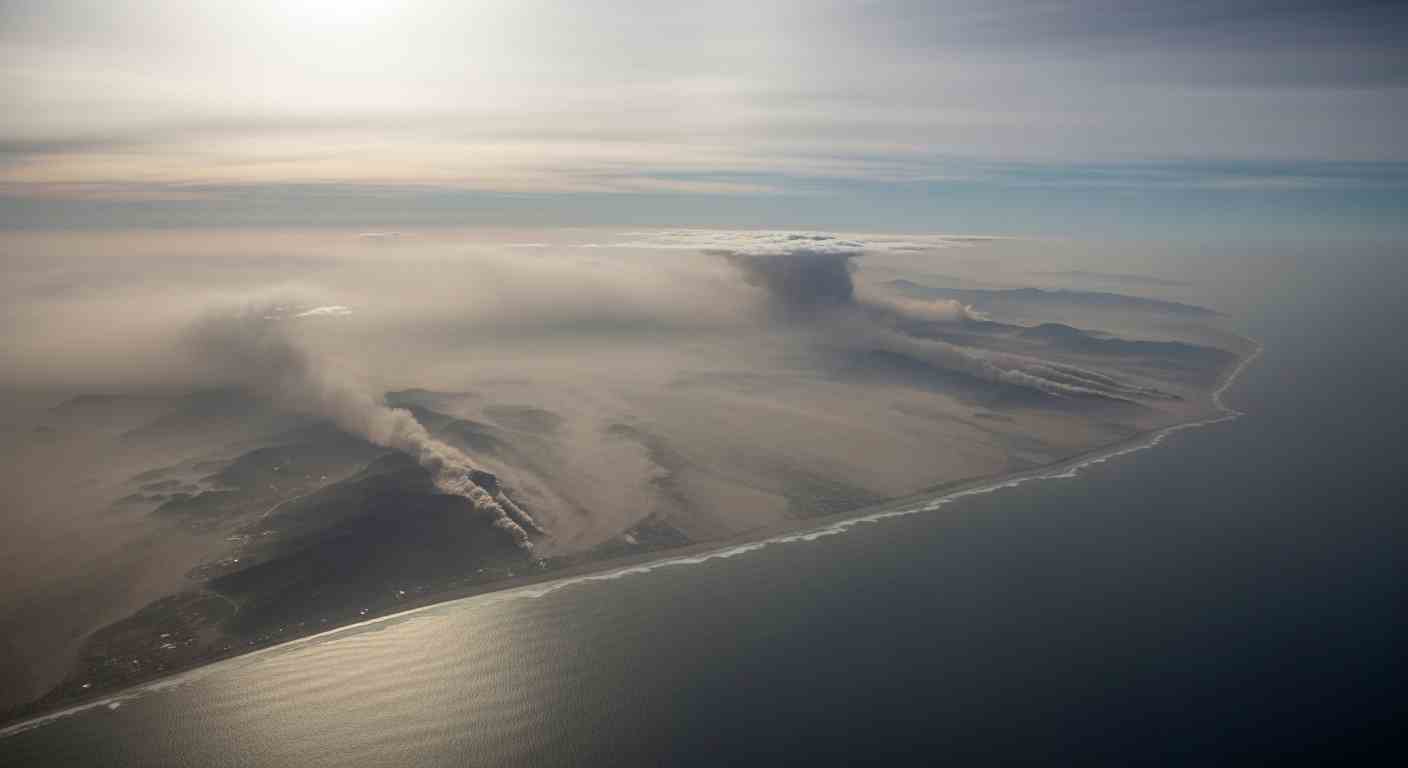
Massive earthquakes can inject dust into the atmosphere.
If accompanied by volcanic eruptions:
-
Sunlight could be reduced
-
Global temperatures could drop temporarily
-
Crop yields decline
Climate instability would amplify humanitarian crises.
Even regions far from tectonic zones would feel the impact.
Could This Actually Happen?
Under current understanding of plate tectonics, an earthquake far beyond magnitude 10 is extremely unlikely.
Tectonic plates have size limits.
Energy accumulation has boundaries.
But “unlikely” is not “impossible.”
Earth’s geological history includes super-events we barely understand.
The planet has always operated on timescales beyond human memory.
The Deeper Truth: We Live on a Moving World
We think of Earth as solid.
Stable.
Permanent.
But beneath our cities and homes:
-
Molten rock flows
-
Plates grind slowly
-
Pressure builds silently
Every major earthquake is a reminder that we live on a dynamic planet.
An impossible-intensity earthquake would not mean the end of Earth.
But it would remind us how fragile civilization truly is.
We build skyscrapers.
We design cities.
We connect continents.
But in the end…
We are standing on moving stone.
Final Thought
An earthquake of impossible intensity would not be just a disaster.
It would be a planetary event.
The ground beneath us would liquefy.
Oceans would rise.
Continents would shift.
The planet would survive.
But humanity would be forced to confront a reality we often ignore:
We do not control Earth.
We adapt to it.
And when it moves beyond its limits —
There is nowhere to run.
Frequently Asked Questions (FAQs)
1. What is the strongest earthquake ever recorded?
The strongest recorded earthquake was magnitude 9.5 in Chile in 1960.
2. Is a magnitude 10 earthquake possible?
It is theoretically possible but extremely rare due to physical tectonic limitations.
3. Could an earthquake destroy the planet?
No. Even the largest earthquake cannot split Earth apart.
4. Would a mega earthquake affect the whole world?
Yes. Seismic waves, tsunamis, and economic disruptions would impact multiple continents.
5. Can we prepare for an extremely large earthquake?
Strong infrastructure, early warning systems, and emergency planning significantly reduce casualties and damage.